How to choose packaging supplies for shipping, storage and compliance

Packaging supplies now have to do more than protect a shipment
Choosing packaging supplies is no longer a simple purchasing decision based on unit price. For ecommerce sellers, distributors and product teams, packaging has to protect goods in transit, fit carrier and warehouse processes, support recycling or reuse goals where practical and avoid environmental claims that cannot be supported. The most useful approach is to evaluate each item by function first, then by material, sizing, recyclability, labeling and regulatory exposure.
A low-cost box, mailer, tape or void fill can become expensive if it leads to product damage, dimensional-weight charges, contamination in recycling streams or missed packaging reporting duties. This guide explains how to compare common packaging supplies and build a practical decision framework for everyday shipping and storage operations.
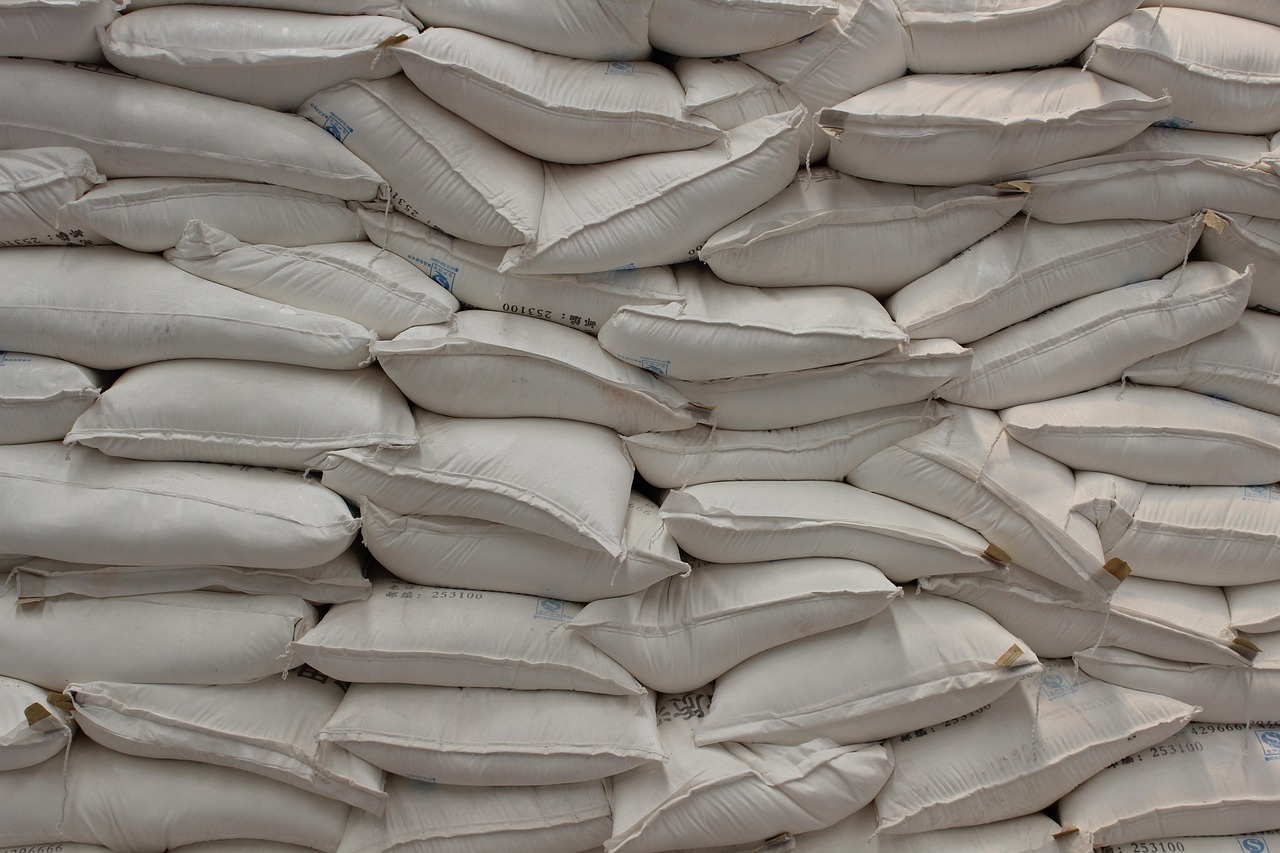
For more packaging materials coverage, visit the PACKAGING MATERIALS category.
Start with the job the package must perform
The first step is to define what the package has to survive. A protective mailer for a soft garment, a corrugated case for a consumer appliance and a palletized bulk shipment do not carry the same risk profile. Before comparing materials, teams should list the product weight, fragility, shape, moisture sensitivity, shelf-life needs, expected handling points and return probability.
Many packaging failures come from a mismatch between the product and the distribution environment. Lightweight items may be crushed if a mailer is used where a box is needed. Fragile items may still break if the outer carton is strong but the internal cushioning allows the product to move. Liquids, powders and food products may require leak resistance, tamper evidence or a food-contact review before a material is approved.
A useful purchasing brief should answer five questions:
- Will the package travel mainly through parcel, freight, retail shelf, warehouse storage or a mix of channels?
- What level of drop, compression, vibration and temperature change is realistic?
- Does the product need cushioning, blocking and bracing, barrier protection or simple containment?
- Can the customer open and return the product without destroying the package?
- Does the packaging carry recycling, compostability, recycled-content or reuse claims?
This keeps the discussion focused on performance. A material that appears sustainable or inexpensive may still be the wrong choice if it increases damage, makes returns harder or cannot be processed in the buyer’s local recovery system.
Compare common packaging supplies by function
Packaging supplies can be grouped by the role they play. The outer package provides structure and a surface for branding or instructions. Internal protection controls movement and absorbs impact. Closure materials secure the pack. Labels and documentation help carriers, warehouses and consumers handle the item correctly.
| Supply type | Common options | Best use | Common trade-off |
|---|---|---|---|
| Outer packaging | Corrugated boxes, rigid cartons, padded mailers, poly mailers | Containment, stacking, parcel handling and shelf presentation | Boxes protect well but can add dimensional weight; mailers save space but offer less crush protection |
| Cushioning | Paper fill, molded pulp, air pillows, foam, bubble material | Shock absorption, void fill and product immobilization | Some materials protect better, while others are easier to recycle or store |
| Closure | Paper tape, plastic tape, strapping, adhesives, staples | Seal integrity during handling and transport | Strong closures may complicate recycling or opening if overused |
| Labels and inserts | Shipping labels, recycling instructions, return slips, warning labels | Identification, compliance, customer instructions and returns | Too many mixed materials or unclear labels can confuse consumers |
Corrugated boxes remain a core option because they combine strength, printability and a relatively established recovery stream. The Fibre Box Association reported that U.S. corrugated industry shipments totaled 381 billion square feet in 2024, showing the scale of corrugated use in distribution and retail packaging. Even so, a box should be selected by board grade, dimensions and product fit, not simply by availability.
Mailers are useful for apparel, documents and flexible goods, especially where lower package weight and compact storage matter. They are less suitable for items that need compression strength, edge protection or controlled internal spacing. Internal cushioning should be tested with the outer package because a strong box cannot compensate for loose product movement inside the carton.
Right-sizing is often the fastest packaging improvement
Right-sizing means matching the package to the product with enough space for protection, but not so much that unnecessary void fill and freight volume are added. It is one of the most practical packaging improvements because it can reduce material use, warehouse space and shipping inefficiency without requiring a complete material change.
Oversized packaging creates three problems. First, it uses more paper, plastic or cushioning than necessary. Second, it can increase parcel charges where carriers price by dimensional weight. Third, it can worsen damage if the product moves inside the package. Under-sized packaging creates the opposite risk: weak seams, crushed corners, inadequate cushioning and poor customer experience.
A right-sizing review should use actual order data, not only product dimensions. Many businesses ship multi-item orders, seasonal kits or bundles. A carton set that works for single-unit orders may fail when orders include mixed shapes. The goal is not to create a different box for every product, but to reduce the number of poor fits that repeatedly create waste or damage risk.
For operations with enough volume, cartonization software, on-demand box making or a tighter set of standard box sizes can help. Smaller shippers can still improve by tracking common order profiles, damage reports and the amount of void fill used per shipment. If packers regularly add excessive fill, the box assortment probably needs adjustment.
Sustainability claims need evidence, not slogans
Many buyers now ask for recyclable, compostable, recycled-content or reusable packaging. These terms are useful only when they are specific and supportable. In the United States, the Federal Trade Commission’s Green Guides explain that environmental marketing claims should be backed by competent and reliable evidence. The guidance is especially important for broad claims such as “green,” “eco-friendly,” “biodegradable” or “compostable.”
Recyclability depends on material, design and local collection access. Paper-based packaging often has a stronger recovery pathway than many mixed-material formats, but coatings, liners, adhesives, windows and contamination can change the result. The American Forest & Paper Association reported a 2025 U.S. paper recycling rate of 61% to 65% and a cardboard recycling rate of 70% to 75%. Those figures support the role of paper recovery, but they do not mean every paper package is automatically recyclable in every community. See also: BOX DESIGN.
Compostable packaging needs additional caution. ASTM D6400 is a standard used for plastics designed to be composted in municipal or industrial aerobic composting facilities. That does not mean a package will break down in a backyard compost pile, nor does it guarantee that local composters will accept it. A compostable claim should identify the intended composting environment and avoid implying universal acceptance.
Reusable packaging can reduce waste in some closed-loop or high-return systems, but it is not automatically better for every product. Reuse requires reverse logistics, cleaning, inspection, loss management and enough trips to justify the additional material and transport. For many one-way parcel shipments, source reduction and recyclability may be more practical than introducing a reusable format without a recovery system.
Regulatory pressure is changing packaging decisions
Packaging decisions are increasingly shaped by reporting, recycled-content, recyclability and waste-reduction rules. The European Union’s Packaging and Packaging Waste Regulation, formally Regulation (EU) 2025/40, applies from August 12, 2026. It sets a broader framework for packaging placed on the EU market, including requirements linked to recyclability, recycled content, waste prevention and reuse. Businesses selling into the EU should treat packaging specifications as part of market-access planning, not only sustainability messaging.
In the United States, packaging extended producer responsibility is moving state by state rather than through one national packaging law. As of 2026, seven states had enacted EPR laws for packaging or packaging and paper products: Maine, Oregon, Colorado, California, Minnesota, Maryland and Washington. Details differ by state, including covered materials, producer definitions, reporting duties, exemptions and timelines. This makes packaging data management more important because companies may need to know material type, weight and sales by jurisdiction.
For packaging supplies buyers, the immediate lesson is simple: keep better records. Purchase orders should identify material composition, recycled content where claimed, coatings or laminations, supplier documentation and weight. Even when a business is below a reporting threshold today, cleaner data makes it easier to respond if rules expand or customer requirements change.
Standards can also help structure decisions. ISO’s packaging and environment standards, including ISO 18601 and related standards in the 18600 series, provide a framework for thinking about source reduction, reuse, material recycling, energy recovery and organic recovery. These standards do not replace legal advice, but they help teams ask better questions before approving a new package.
Build a packaging supplies checklist before purchasing
A clear checklist prevents packaging from being selected only on catalog price. It also creates consistency across purchasing, operations, marketing and compliance teams. The checklist should be short enough to use regularly but specific enough to catch common risks.
Performance and damage control
- Confirm product weight, dimensions, fragility and moisture sensitivity.
- Match the outer package to the distribution channel.
- Test cushioning and void fill with the actual carton or mailer.
- Review damage, return and customer complaint data after launch.
Material and recovery pathway
- Identify every major material in the package, including coatings and labels.
- Avoid unnecessary mixed-material combinations that are hard to separate.
- Use recycled content only where it meets performance and safety needs.
- Check whether recycling or composting claims are specific and supportable.
Cost and operational fit
- Compare total cost, including storage, labor, damage, returns and freight impact.
- Make sure packers can assemble and seal the package consistently.
- Limit the number of package sizes where too much variety slows operations.
- Review seasonal volume and supplier lead times before switching materials.
Compliance readiness
- Keep supplier documentation for recycled content, compostability or certifications.
- Track package weights by material type where feasible.
- Review environmental claims against applicable guidance before printing them.
- Check state, national or regional rules for markets where products are sold.
Frequently asked questions
What packaging supplies should a small ecommerce business start with?
Most small ecommerce businesses should begin with a limited set of corrugated boxes or mailers, one or two cushioning options, reliable tape or closures, shipping labels and return-ready documentation. The best mix depends on product fragility and order patterns. Starting with fewer sizes makes storage and packing easier, while order data can guide later right-sizing.
Are paper packaging supplies always better than plastic?
No. Paper often has a stronger recycling pathway, especially for corrugated packaging, but performance matters. Plastic films may provide moisture resistance, puncture resistance or product protection that paper cannot provide in the same application. The better choice depends on damage risk, material weight, recycling access, contamination risk and the accuracy of any environmental claim.
When is compostable packaging a good choice?
Compostable packaging is most suitable when the package is likely to be collected with organic waste and accepted by an appropriate composting facility. It can be less useful where composting infrastructure is unavailable or where consumers may place the item in recycling bins, causing contamination. Claims should specify industrial composting if that is what the material requires.
How often should packaging supplies be reviewed?
Packaging should be reviewed at least annually and whenever products, carriers, sales channels or regulations change. High-volume shippers should review damage rates, freight charges and material use more often because small changes can have a large cost impact.
The practical takeaway
The best packaging supplies are not simply the cheapest, lightest or most marketable. They are the supplies that protect the product, fit the logistics system, use material efficiently and make only claims that can be supported. In 2026, packaging teams need to combine purchasing discipline with better material data and a realistic view of recycling, composting and regulatory requirements. A structured review of performance, right-sizing, recovery pathways and compliance exposure will usually produce better results than chasing a single material trend.