Snow blower buying guide for matching stage, power and driveway size

A practical way to choose a snow blower
A useful snow blower buying guide starts with the clearing job, not with the largest engine or widest housing on the sales floor. For most homeowners, the right choice depends on five practical factors: typical storm depth, whether local snow is usually light or wet, whether the surface is paved or gravel, the total area to clear, and how much storage and maintenance the owner can manage.
As a broad rule, a single-stage model fits paved walkways and smaller driveways with lighter snowfall. A two-stage model is better suited to gravel, slopes, plow piles, wet snow and repeated storms. A three-stage model may help in large, high-volume situations, but it is not automatically the better purchase. For more product decision content, see our buying guides.
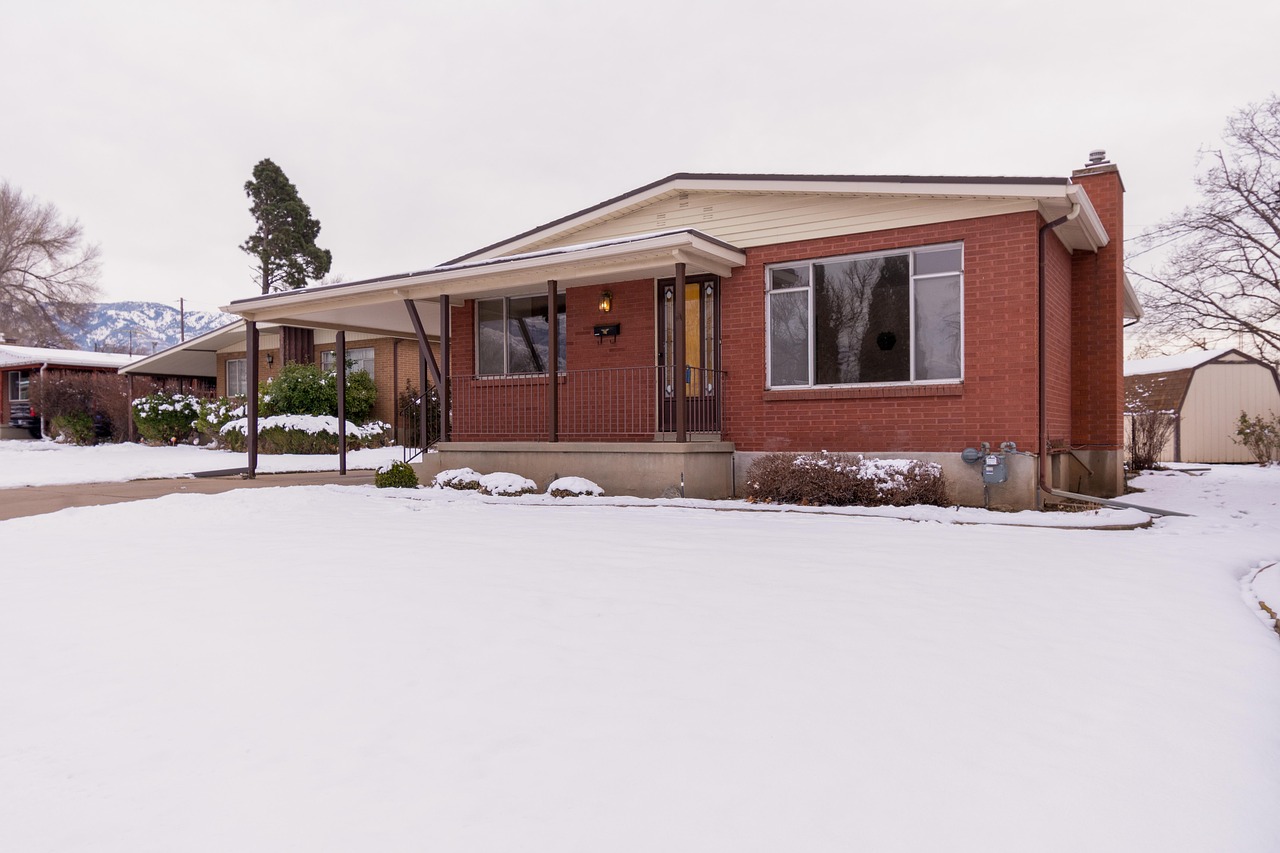
Match the machine to snow, surface and area
The first mistake many buyers make is treating snowfall depth as the only specification that matters. Depth matters, but density can change the workload dramatically. The National Weather Service explains that snow-to-liquid ratio varies from storm to storm; wet snow contains more water and is heavier than dry, powdery snow. A machine that handles several inches of fluffy snow may struggle with a smaller amount of dense, slushy snow near the street.
Start with local conditions. If a typical storm leaves a few inches on a short paved driveway, a compact model may save money, storage space and effort. If your area often gets lake-effect bands, coastal wet snow, drifting, or hard ridges left by municipal plows, choose more clearing capacity than a light-duty machine suggests on paper.
| Clearing situation | Practical fit | Why it matters |
|---|---|---|
| Small paved walkway or short single-car driveway | Electric corded, battery single-stage or compact gas single-stage | Lower weight and easier storage usually matter more than maximum throw distance. |
| Paved two-car driveway with moderate storms | Single-stage gas, stronger battery single-stage or compact two-stage | Choose based on snow density and how often plow piles form at the end of the driveway. |
| Gravel driveway | Two-stage or three-stage with adjustable skid shoes | Most single-stage augers contact the ground, which can pick up gravel and damage surfaces. |
| Long driveway, sloped driveway or frequent heavy snow | Self-propelled two-stage, possibly with tracks for steep or icy areas | Traction, control and intake height become more important than compact size. |
| Large rural property or repeated deep storms | Heavy-duty two-stage or three-stage | Wider clearing width and higher intake capacity can reduce passes, but storage and handling require planning. |
Understand single-stage, two-stage and three-stage designs
Snow blowers are commonly grouped by clearing mechanism. Consumer Reports and major manufacturers use stage type as a basic buying category, but the stage label is only a starting point. Build quality, tires, chute controls, intake height, impeller design, service access and local parts support can matter just as much in daily use.
Single-stage snow blowers
A single-stage snow blower uses one high-speed auger system to pull in snow and discharge it through the chute. Many single-stage machines clean close to pavement, which is helpful on smooth concrete or asphalt. They are usually lighter, easier to store and easier to maneuver than larger machines.
The tradeoff is surface compatibility and capacity. Because many single-stage augers contact the ground, they are generally not suitable for gravel. They can also struggle with deep, compacted snow or frozen plow ridges. If the main job is a short paved driveway after modest storms, single-stage can be a sensible choice. If the end of the driveway regularly becomes a packed wall, compare those models carefully before buying.
Two-stage snow blowers
A two-stage snow blower separates the work into two steps: an auger gathers snow, and an impeller throws it through the chute. This design is commonly used for deeper snow, heavier snow, gravel surfaces and larger driveways. Adjustable skid shoes help keep the housing slightly above the ground, reducing the chance of scooping stones.
Two-stage machines are heavier and usually require more storage space, but self-propelled drive systems make them practical for bigger jobs. Buyers should compare forward and reverse speeds, tire tread, chute rotation, clearing width, intake height and how easily the machine can be turned at the end of a pass.
Three-stage snow blowers
Three-stage models add an accelerator or similar feed mechanism intended to move snow toward the impeller faster. They can be useful for large areas, deep snow and dense piles, but the label should not be treated as a guarantee of better performance. A well-built two-stage machine with strong traction and good service support may be a better fit than a larger three-stage machine that is difficult to store, turn or maintain.
Before paying extra for a three-stage design, identify the specific problem it solves for your property. If the answer is only that it has more stages, keep comparing. If you clear a long driveway in a high-snow region and regularly face frozen plow berms, the additional capacity may be easier to justify.
Choose the power source before choosing extras
Power source shapes ownership more than many buyers expect. Gas, battery and corded electric machines can all be appropriate, but they suit different routines.
- Gas snow blowers remain common for larger driveways, wet snow, rural properties and situations where long run time matters. They require fuel storage, oil checks, seasonal maintenance and safe exhaust practices.
- Battery snow blowers reduce fuel handling and can be quieter and easier to start. They are attractive for paved residential areas, but run time depends on battery capacity, temperature, snow depth and snow density. Compare battery amp-hour ratings, recharge time and the cost of spare batteries.
- Corded electric snow blowers can work for very small paved areas near an outdoor outlet. The cord limits range and creates a trip and damage hazard if it is not managed carefully.
If you already own cordless outdoor equipment, check whether the batteries are genuinely compatible across tools and whether the snow blower needs one battery or multiple batteries to operate at full power. Battery ecosystems can save money when they overlap, but they can also lock owners into expensive replacements.
For gas models, do not focus only on engine size. Look at the complete system: auger design, impeller diameter, intake height, tire grip, chute control and whether the dealer can supply belts, shear pins and scraper bars. A machine that can be serviced locally is often easier to own than a cheaper model with uncertain parts support.
Features that change daily use
Once the stage and power source are clear, compare features that affect fatigue, safety and speed. Clearing width is one of the most visible specifications, but wider is not always better. A wider machine clears more with each pass, yet it is harder to store and may be more difficult to maneuver around cars, porch steps, gates and narrow walkways. See also: BOX DESIGN.
- Clearing width and intake height: Wider and taller housings help with large driveways and deep snow, while compact housings are easier around tight residential spaces.
- Self-propelled drive: Important for two-stage and three-stage machines, especially on slopes or long driveways.
- Electric start: Useful on gas models when cold starts are difficult. Check whether it requires an extension cord or onboard battery.
- Chute control: Quick chute rotation and deflector adjustment matter when clearing near cars, windows, sidewalks or neighbors’ property.
- Headlights: Helpful for early morning or evening clearing, but they do not replace good visibility and careful operation.
- Heated grips: Comfort feature, not a performance feature, but valuable for long clearing sessions.
- Clean-out tool: A simple but important safety item, especially for wet snow that can clog the chute.
- Skid shoes and scraper bar: Wear parts that affect surface contact, clearing height and long-term maintenance cost.
Measure the storage area before buying. Include handle length, chute height, turning room and the path from storage to the driveway. A snow blower that barely fits through a garage opening or shed door can become frustrating every time a storm arrives.
Safety and maintenance should affect the purchase
Safety is not separate from the buying decision. The U.S. Consumer Product Safety Commission warns that many snow thrower injuries happen when users try to clear the auger or discharge chute with their hands. It also notes carbon monoxide deaths linked to engines left running in enclosed spaces. The Outdoor Power Equipment Institute gives similar guidance: turn the machine off, wait for moving parts to stop, and use a clean-out tool or stick rather than your hands.
For gas models, add fuel outside before starting and avoid refueling a hot or running engine. Do not run a combustion engine inside a garage, shed or enclosed porch. The Centers for Disease Control and Prevention describes carbon monoxide as odorless and colorless, which is why a running engine in an enclosed area is dangerous even when the door is open.
Maintenance needs vary by power source, but every buyer should think about them before purchase. Gas machines may require oil changes, spark plug checks, belt inspection, fuel stabilization and off-season storage steps. Battery machines need proper charging and storage temperatures. All machines need inspection of scraper bars, paddles, skid shoes, shear pins and fasteners.
How to avoid buying too much or too little
Overbuying creates its own problems. A heavy machine can be difficult for smaller users to turn, especially in tight areas. It may require more garage space, more maintenance and more effort to move when the engine is off. Underbuying is also costly because a light-duty machine may clog, ride over hard-packed snow, or take too many passes during major storms.
Use this short checklist before you decide:
- Measure the driveway, sidewalks and any paths to doors, trash bins or delivery areas.
- Note whether the surface is paved, gravel, pavers, uneven concrete or a mix.
- Identify the hardest part of the job, such as a plow pile, slope, wind drift or narrow gate.
- Check where the machine will be stored and how it will reach the clearing area.
- Compare parts availability, warranty terms and local service options before comparing small feature differences.
- Plan for safe fuel, battery or cord storage depending on power source.
The right snow blower is the machine that handles your most common storms without making normal use harder than necessary. For a short paved driveway, that may be a compact battery or single-stage gas model. For a long gravel driveway in a snowy region, it is more likely a self-propelled two-stage model. For large properties with frequent deep, dense snow, a heavy-duty two-stage or three-stage machine deserves consideration.
Frequently asked questions
What size snow blower do I need for a two-car driveway?
For a typical paved two-car driveway, many buyers start with a strong single-stage model or a compact two-stage model. Choose single-stage if storms are usually light to moderate and the surface is smooth. Choose two-stage if the driveway is long, sloped, exposed to drifting, or blocked by heavy plow piles.
Can I use a single-stage snow blower on gravel?
Most single-stage models are not a good match for gravel because the auger often contacts the ground. That can throw stones and damage the machine or nearby property. For gravel, look for a two-stage or three-stage model with adjustable skid shoes that keep the housing above the surface.
Are battery snow blowers worth considering?
Yes, especially for paved residential areas where easy starting, lower routine maintenance and quieter operation are priorities. Check realistic run time, recharge time, battery replacement cost and performance in wet snow before choosing battery power for a large driveway or frequent heavy storms.
Is a three-stage snow blower always better than a two-stage model?
No. Three-stage models can help in high-volume conditions, but stage count alone does not determine performance. Compare clearing width, intake height, traction, chute design, service support and how well the machine fits your property.
When should I buy a snow blower?
Buy before the first major storm if you need the widest selection. Availability often tightens once forecasts create urgent demand. If you are shopping after winter, inspect discounts carefully and confirm that replacement parts, batteries and warranty support will remain available.