Footwear box design guide for retail impact, protection, and recyclability
What a footwear box has to accomplish
A strong footwear box design is more than a branded container. It has to protect the shoes through storage and handling, help retail and e-commerce teams identify the product quickly, fit efficiently into cartons or parcels, and carry the right information without becoming oversized or difficult to recycle. The most useful briefs start with three questions: how the box will travel, how the buyer will encounter it, and what end-of-life claim the brand can support with evidence.
For packaging teams, the design discussion should happen before artwork is finalized. Board grade, opening style, inserts, label placement, coating, and empty space all affect cost, durability, retail handling, and sustainability. For more packaging structure ideas, the box design section is a useful reference point.
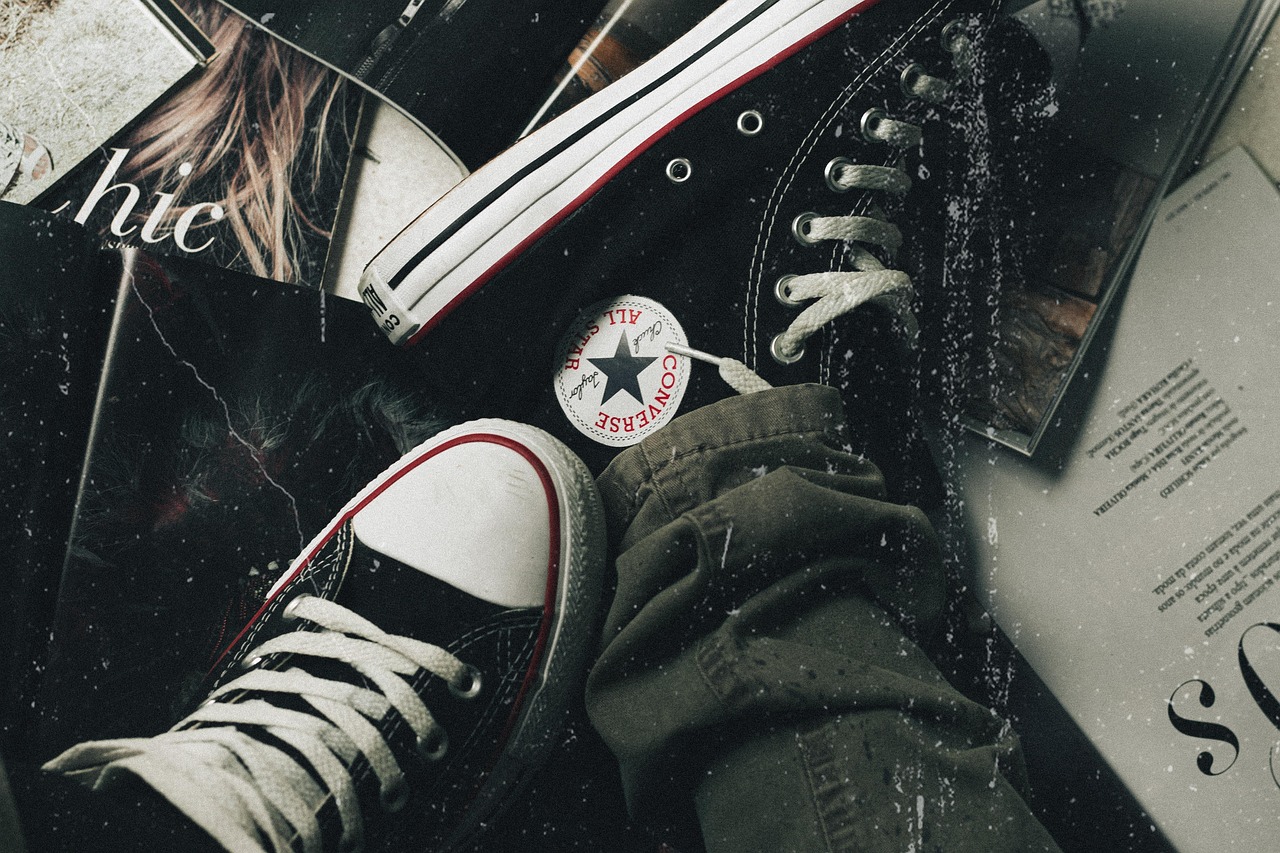
The design brief starts with the route to the wearer
Footwear packaging is shaped by its route to the customer. A store-shelf box may need stack strength, a clean side-label system, and a lid that can be opened repeatedly by sales staff. A direct-to-consumer box may need stronger corners, tamper-evident closure, and enough exterior quality to reduce the need for a separate shipper. A wholesale box may prioritize pallet efficiency and fast identification over premium finishes.
Retail-ready footwear boxes
Retail formats still rely on clear style, size, color, and barcode information on the short side or long side of the box. The goal is operational clarity. If staff cannot identify a style quickly in the stockroom, attractive graphics on the lid will not fix the problem. For retail, the most useful design elements are consistent label zones, readable contrast, durable corners, and a lid fit that feels secure without slowing handling.
E-commerce and returns
Online footwear puts the box under different pressure. Shoes may be shipped individually, returned after trial, and handled by parcel networks rather than controlled retail logistics. If the original box arrives crushed, perceived product value drops even when the shoes are undamaged. For e-commerce, designers should test opening tabs, closure strength, corner crush resistance, and whether the package can survive a return journey without excessive tape or a second outer box.
Structural formats and where they fit
The familiar two-piece shoe box remains common because it is easy to open, easy to stack, and simple for retail staff to use. It is not the only option. Footwear box design now includes lightweight folding cartons, corrugated mailer-style boxes, drawer boxes for premium collections, and hybrid formats that work as both product box and shipping box.
| Box format | Useful for | Design advantage | Main limitation |
|---|---|---|---|
| Two-piece lid and base | Retail shoes, sneakers, casual footwear | Familiar, stackable, easy to inspect | May need an outer shipper for parcel delivery |
| One-piece folding box | Lightweight footwear and promotional lines | Efficient flat packing and lower assembly complexity | Can feel less premium if board choice is too light |
| Drawer or sleeve box | Premium launches and giftable footwear | Strong unboxing effect and controlled reveal | Often uses more material and may add friction in fulfillment |
| Corrugated mailer shoe box | Direct-to-consumer orders | Can reduce the need for a separate shipping carton | Needs careful artwork planning because exterior wear is visible |
| Rigid set-up box | Luxury or collector products | High perceived value and strong presentation | Higher material use and less efficient storage before filling |
No format is automatically right. A better approach is to match box structure to product weight, shelf life, transport route, expected return rate, brand price point, and the recycling stream the package is expected to enter.
Material choices are now part of the design language
Paperboard and corrugated fiber remain the most common choices for footwear boxes because they can combine printability, folding performance, and broad recovery infrastructure. Sustainability, however, is not defined by one material name. Public guidance from organizations such as the Sustainable Packaging Coalition takes a broader view that includes reduction, responsible sourcing, recycled content, reuse potential, and recyclability.
Regulatory pressure is also changing packaging briefs. In the European Union, Regulation (EU) 2025/40 on packaging and packaging waste entered into force on 11 February 2025 and has generally applied since 12 August 2026. Its direction is relevant even for brands outside Europe because it emphasizes packaging minimization, recyclability, labeling, and restrictions on substances of concern. For footwear products seeking the EU Ecolabel, official criteria have also treated final cardboard and paper packaging as needing 100 percent recycled material. That requirement is label-specific, not a universal rule for every shoe box.
Forest Stewardship Council certification is another common sourcing signal for paper-based packaging. It supports claims about responsible forest sourcing and chain-of-custody control, but it should not be confused with a recyclability claim. A footwear box can use certified fiber and still be difficult to recycle if it includes incompatible laminates, magnets, heavy foil areas, plastic windows, or mixed-material decorations.
Design details that can complicate recycling
- Large plastic windows or handles that are not easily separated.
- Heavy film lamination used only for gloss or scuff resistance.
- Magnetic closures, ribbons, elastic loops, or metal eyelets.
- Dark full-coverage printing that may reduce fiber recovery value in some systems.
- Unclear disposal language that sounds like a claim but is not supported by local collection realities.
Brand communication without overloading the box
Footwear packaging has a short attention window. The lid may carry the brand story, but the side panel often does the operational work: size, model, color, barcode, season, and sometimes a product image. A clear hierarchy matters more than filling every panel. Designers should decide which panel is viewed in the stockroom, which panel is seen by the buyer, and which panel is scanned in logistics. See also: BUYING GUIDES.
Texture, color, and typography can create strong shelf recognition without excessive components. A kraft board with one or two ink colors may fit a workwear or outdoor line. A coated board with restrained embossing may fit a premium sneaker launch. A minimal white box may suit medical, comfort, or uniform footwear where clarity and cleanliness matter. The visual system should also be repeatable across sizes, because footwear ranges often include many SKUs.
Environmental messages need careful control. Broad statements such as sustainable box or eco packaging are less useful than specific, verifiable information. If the box uses recycled content, certified fiber, mono-material construction, or reduced packaging weight, the claim should match supplier documentation and the rules in the markets where the product is sold.
A practical specification checklist
A footwear box brief should be specific enough for structural designers, printers, and sourcing teams to make consistent decisions. This checklist can help reduce late redesigns:
- Measure the largest and smallest shoe sizes in the range before setting the master dieline.
- Define whether the box is for retail display, wholesale cartons, parcel shipping, returns, or several of these routes.
- Set performance expectations for stacking, corner strength, repeated opening, and transit testing.
- Choose board type, recycled content target, and responsible sourcing requirement before artwork approval.
- Limit empty space while leaving enough room to avoid crushing the product or deforming the shoe upper.
- Plan tissue paper, inserts, toe support, or dividers as part of the system, not as afterthoughts.
- Reserve consistent label zones for size, barcode, color, style code, and market-specific information.
- Check coatings, inks, adhesives, and decorative components against the intended recycling route.
- Confirm whether packaging claims are supported by supplier documents and applicable market rules.
- Prototype with real shoes, not only CAD dimensions, because soft goods can shift during handling.
Common mistakes to avoid
The most common mistake is treating the shoe box as an artwork surface before treating it as a protection system. Other frequent problems include copying a premium format that is too heavy for the price point, using a box that is larger than the product requires, adding mixed-material decoration that weakens recyclability, or placing the barcode where it is hidden when boxes are stacked. A practical footwear box design balances presentation with measurable handling needs.
Frequently asked questions
What makes a footwear box recyclable?
A recyclable footwear box is usually paper-based, accepted in the intended local recovery system, and free from components that prevent normal fiber recycling. The exact answer depends on local collection and mill requirements, so brands should avoid universal claims unless they have evidence for the markets where the box is sold.
Should a shoe brand use a mailer box instead of a traditional shoebox?
A mailer-style footwear box can reduce secondary packaging for e-commerce, but it must still protect the product and arrive in presentable condition. It is more suitable when the exterior can tolerate parcel handling and when the brand is comfortable with shipping marks, labels, or minor scuffs appearing on the main package.
Is recycled paperboard always the right choice?
Recycled paperboard is often attractive for footwear packaging, especially when a brand wants to reduce reliance on virgin fiber. It still needs to meet strength, print, odor, color, and compliance requirements. For heavier footwear or long distribution routes, the final specification should be based on tested performance rather than recycled content alone.
How can a footwear box feel premium with less material?
Premium feel does not always require a rigid box, magnets, or heavy lamination. Better proportions, clean folding, accurate lid fit, tactile paper, restrained embossing, and a well-organized reveal can create value while keeping the structure simpler and easier to recover.