Bra box design for lingerie packaging that protects shape and improves shelf appeal
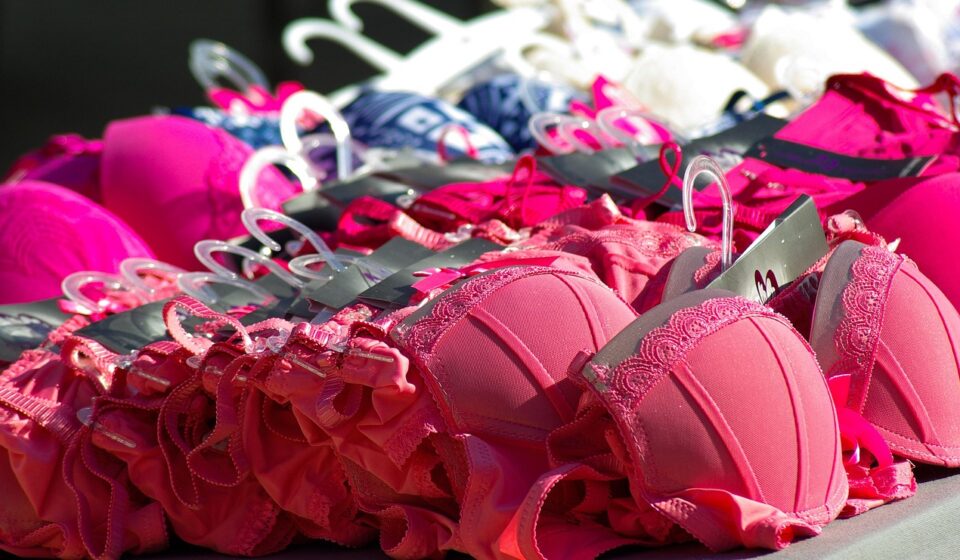
What a strong bra box design needs to do
A strong bra box design is more than a decorated carton. It has to protect the cup shape, make size and style information easy to find, hold up through the intended sales channel, and represent the brand without stretching sustainability claims. Bras are compact but shape-sensitive garments: molded cups can deform, lace can snag, straps can tangle, and returns often start with a misunderstanding about size, fit or product type. For lingerie packaging, the practical test is not only whether the box looks good, but whether its structure, graphics and information hierarchy reduce friction from shelf or product page to unpacking.
This guide focuses on practical choices for bra boxes used in retail display, online orders and gift-style lingerie packaging. It also summarizes relevant guidance and published observations from organizations such as the Federal Trade Commission, GS1, ISTA, ISO and McKinsey, without turning package design into a compliance checklist.
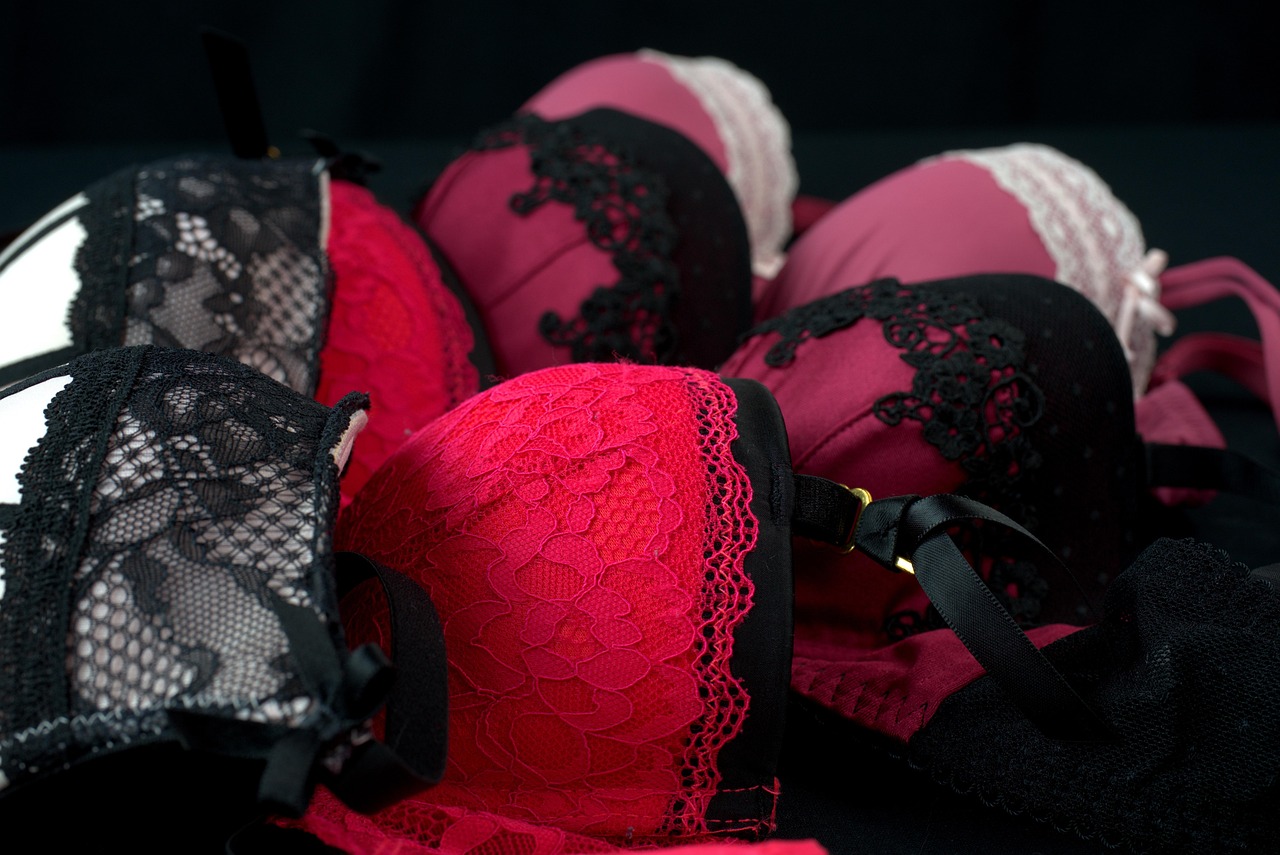
Start with the bra type, not the box style
The most common mistake in bra packaging is choosing a box style before checking the garment profile. A padded push-up bra, a molded T-shirt bra, a wireless bralette, a lace balconette and a sports bra do not place the same demands on internal volume. If the box is too shallow, cups flatten and underwires can twist. If it is too large, the product shifts in transit and looks poorly presented when opened.
Before selecting the structure, the design brief should define the product family:
- Molded or padded cups that need depth protection.
- Soft lace or mesh styles that need snag prevention more than crush resistance.
- Sports bras that can often be folded flatter but may need clear support-level communication.
- Premium gift sets that may include tissue, care cards or matching underwear.
- Multi-size ranges where one box family must work across several cup depths.
For many lingerie brands, a modular approach works better than a single universal box. The artwork system can remain consistent while structural depth changes across sizes. This reduces the risk of overpacking smaller sizes and underprotecting larger cups. It also creates a cleaner shelf block because the brand language stays consistent even when box dimensions vary.
Choose a structure that fits the selling channel
Bra packaging usually has to satisfy one or more of three channel needs: retail display, e-commerce shipment or premium gifting. A box can support more than one need, but each channel puts different stress on the design.
| Box structure | Where it works well | Main design consideration |
|---|---|---|
| Folding carton | Mass retail, lightweight lingerie, seasonal lines | Efficient to store and print, but cup support may require an insert |
| Rigid two-piece box | Premium lingerie, gift sets, influencer seeding | Strong presentation and reuse potential, but higher material weight |
| Drawer box | Luxury unboxing, subscription lingerie, sets | Elegant opening experience, but friction and fit must be tested |
| Mailer-style box | Direct-to-consumer orders | Needs crush resistance, easy returns and privacy-conscious exterior graphics |
| Sleeve with inner tray | Retail display with strong graphics | Good reveal moment, but tray depth must prevent garment movement |
Retail packaging must communicate quickly. The front panel should show brand, product type, size and key fit cue without making the shopper rotate the box repeatedly. E-commerce packaging has a different job. It should survive handling, open cleanly, support returns when needed, and avoid revealing intimate product details on the shipping exterior.
ISTA transport test procedures, including parcel-delivery procedures such as 3A and e-commerce-oriented procedures such as 3L, are often used by packaging engineers to evaluate packaged-product performance under distribution hazards. That does not mean every bra box needs formal certification, but it does mean drop, vibration and compression thinking should be part of the design process when lingerie is shipped directly to consumers.
Protect cup shape with inserts, clearance and folding logic
For molded bras, the inside of the box often matters more than the outside finish. A beautiful lid cannot compensate for crushed cups. The packaging should hold the garment in a stable position without overcompressing foam, distorting underwire or leaving permanent folds in the fabric.
Use inserts only when they solve a real problem
Paperboard cradles, molded pulp forms and folded support cards can keep cups from collapsing. However, extra parts add cost, assembly time and material complexity. A good insert should be easy to remove, recyclable where possible, and shaped to support the garment rather than simply fill empty space.
For soft bralettes, a full insert may be unnecessary. A belly band, folded card or small tissue wrap may provide enough order and presentation. For padded cups, a simple internal bridge or shaped cradle can prevent one cup from pushing into the other. For underwire styles, the base should avoid forcing the wire into a bend during storage or shipping.
Design the fold before designing the artwork
The way the garment is folded determines the box footprint, the front-panel photography and the unboxing moment. If the bra is folded cup-to-cup, the box needs more depth but may protect surface decoration. If it is laid flatter, the box may use shelf space efficiently but risk cup deformation. Teams should approve a standard packing method before finalizing dielines, because a small change in folding can alter panel hierarchy and insert dimensions.
Make size, fit and product information easier to read
In lingerie, packaging design is also information design. Many shoppers compare band size, cup size, padding level, wire construction, strap style and support level before making a decision. If this information is hidden or inconsistent, the box can contribute to wrong purchases and unnecessary returns.
McKinsey has reported that apparel e-commerce return rates can be higher than overall online return rates, with fit and sizing among the major causes. Coresight Research has also estimated online apparel return rates in the United States at about one-quarter of orders in a surveyed context. Packaging cannot solve fit on its own, but clearer information on the box can reduce avoidable confusion.
Useful information hierarchy for a bra box usually includes:
- Brand and collection name on the main display panel.
- Band and cup size in a consistent, high-contrast location.
- Style type, such as T-shirt bra, bralette, balconette, push-up or sports bra.
- Construction cues, including wired, wireless, padded, unlined, seamless or adjustable.
- Support level or intended use, especially for sports and everyday comfort ranges.
- Care symbols and fiber information where required by the market.
- Color name or color code that matches the product and online listing.
ISO 8559 provides anthropometric definitions used in clothing measurement systems, but bra sizing remains market- and brand-specific. That is why the box should avoid vague fit promises. Clear size labeling, measurement guidance and style descriptors are safer and more useful than claims that a style fits every body type.
Build shelf appeal without making the box feel intrusive
Bra packaging has a delicate branding challenge. It should look attractive and premium, but not expose more personal information than the customer wants to display. This is especially important for gift purchases, online deliveries and discreet retail categories.
Color and typography should match the product segment. A minimal nude, black or soft pastel palette may work for everyday basics and comfort lines. Bolder color blocking can help sports bras and youth-oriented ranges stand out. Metallic inks, embossing and soft-touch coatings can suggest a premium feel, but they should be balanced against recyclability, scuff resistance and cost.
Photography and illustration need the same restraint. A model image can clarify fit and silhouette, while a garment-only image may feel more discreet. For some retail environments, a small window can help shoppers confirm color and fabric. For other channels, a window adds plastic or weakens the carton without adding much value. The right choice depends on the channel, privacy expectations and how much the product appearance varies from the printed image. See also: BUYING GUIDES.
For more packaging structure and visual strategy topics, see the BOX DESIGN category.
Plan sustainability claims before choosing finishes
Sustainable packaging claims need to be specific. A box can use responsibly sourced paperboard, recycled content, lower ink coverage or plastic-free inserts, but the wording must match what the package actually contains and how it can realistically be handled after use.
The Federal Trade Commission Green Guides advise marketers to qualify recyclable claims when recycling facilities are not available to a substantial majority of consumers or communities where the product is sold. In the same guidance, broad claims such as environmentally friendly can be misleading if they imply an overall environmental benefit that has not been substantiated. For bra box design, this means the artwork should avoid vague green language and use precise, supportable terms instead.
Practical design choices include:
- Use a paperboard structure without unnecessary plastic windows when product visibility is not essential.
- Prefer removable labels or sleeves over permanent mixed-material laminates when recyclability is a priority.
- Keep foil, glitter and heavy coatings limited if the box is intended to enter paper recycling streams.
- State recycled content only when the percentage and material basis are verified.
- Use certification marks, such as forest certification labels, only under the rules of the relevant certification program.
McKinsey has noted that packaging sustainability is influenced by regulation, infrastructure, consumer expectations and cost rather than one simple material choice. That point is important for lingerie packaging. A heavier rigid box may feel reusable and premium, but it uses more material. A lightweight carton may use less material, but it must still protect the bra well enough to prevent damage and replacement shipments. The better design is the one that matches the product, channel and verified end-of-life claim.
Leave room for digital product information and barcode changes
Packaging panels are becoming more crowded. Bra boxes may need size charts, care symbols, multilingual copy, marketplace labels, compliance marks, brand storytelling and retail barcodes. At the same time, digital product information is becoming more common.
GS1 describes Sunrise 2027 as an industry transition toward retail point-of-sale systems being able to scan and process two-dimensional barcodes by the end of 2027. The transition does not mean every package should remove its existing UPC immediately. It does mean packaging teams should begin reserving clean, scannable zones for QR codes or GS1 Digital Link applications where retail partners and markets require them.
For bra packaging, a scannable code can support information that does not fit comfortably on the box, such as expanded size guidance, care instructions, styling information, authenticity checks or return instructions. The code should not be placed across folds, textured coatings or high-glare finishes. It should also be tested on printed samples, not only on a digital proof.
A practical bra box design brief checklist
A useful design brief turns aesthetic preference into testable requirements. Before moving to artwork, define the following points:
- Product type, cup structure and standard folding method.
- Primary channel: retail shelf, e-commerce, subscription, wholesale or gifting.
- Box style, opening direction and required internal support.
- Size range and whether different depths are needed for different cups.
- Main display panel hierarchy, including size, style and fit cues.
- Privacy requirements for shipping and returns.
- Material target, finish limits and any verified sustainability claims.
- Barcode, QR code and label placement requirements.
- Transport testing approach for direct-to-consumer shipments.
- Assembly time, storage efficiency and packing-line constraints.
This checklist also helps prevent a common disconnect between design and production. A concept may look refined in a rendering but fail if the insert takes too long to assemble, the drawer jams after coating, or the box cannot hold the full size range. Prototypes should be packed with real garments, handled like real shipments and reviewed under retail lighting before final approval.
Frequently asked questions
What is the best box style for a molded bra?
A molded bra usually needs a structure with enough depth to prevent cup collapse. A folding carton with a shaped insert, a drawer box with a stable tray or a rigid box can work, depending on price point and channel. The key is to test the actual folded garment inside the box, not to rely only on nominal dimensions.
Should a bra box have a window?
A window can help shoppers confirm fabric, color and lace detail in retail. It may be less useful for e-commerce or premium gifting, where privacy, recyclability and presentation can be more important. If a window is used, the material and attachment method should match the package sustainability claim.
How can bra packaging reduce returns?
Packaging cannot remove the main causes of apparel returns, especially fit preference and size variation. It can help by making size, style, support level, padding and wire construction easier to read. It can also reduce damage-related returns by protecting the garment during shipping and by supporting a clean return process.
Can a premium bra box still be recyclable?
Yes, but recyclability depends on the full material combination and local recycling access. A premium paperboard box with restrained finishes is usually easier to support than a box with permanent plastic windows, magnets, mixed laminates or heavy decorative coatings. Any claim should be specific and verifiable.
Where should the QR code go on a bra box?
Place the QR code on a flat, low-glare area with enough quiet space around it. Avoid folds, seams, embossing and curved edges. If the code is used for fit guidance or product information, it should be near the size or style information so shoppers understand why scanning it is useful.