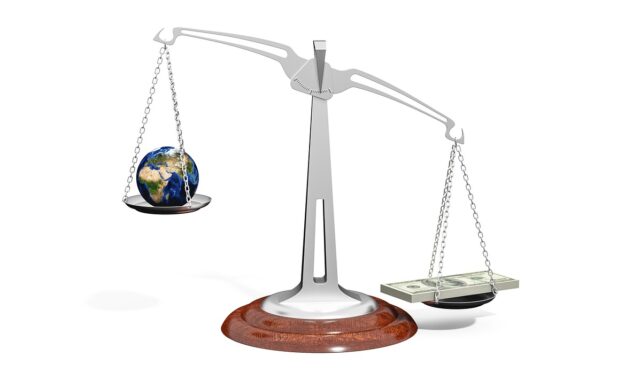
Strong sustainability in packaging means designing within limits

What strong sustainability means for packaging
Strong sustainability starts from the view that some forms of natural capital cannot simply be replaced by more technology, money or future recycling capacity. Stable climate systems, healthy ecosystems, clean water and finite raw materials are common examples. For packaging, this means a pack is not sustainable just because it is lighter, recyclable in theory or made with a small amount of renewable material. It still has to reduce avoidable material use, protect the product, limit harmful substances, work in real collection and recycling systems, and avoid shifting burdens from one part of the life cycle to another.
This stricter lens is becoming more relevant as packaging rules in the EU, California and other markets move away from voluntary claims and toward measurable performance. It is not about declaring one material good and another bad. The better question is whether a packaging design keeps critical environmental pressure within acceptable limits while still doing its job. That question matters for converters, brand owners, retailers and readers following sustainability developments in packaging.

Strong sustainability versus weak sustainability
In sustainability theory, weak sustainability assumes that natural capital and manufactured capital can often substitute for each other. Under that view, a loss in one area may be considered acceptable if economic value, infrastructure or technology grows elsewhere. Strong sustainability is more cautious. It holds that some environmental functions are not fully substitutable, or can only be replaced at high cost and with high uncertainty.
Applied to packaging, a weak sustainability approach might focus on a single improvement, such as reducing resin weight by 10 percent or adding recycled content. Those changes can be useful, but they do not answer the whole question. A package can be lighter and still harder to recycle. It can contain recycled content while using additives, colors or structures that lower material value at end of life. It can be compostable in name but lack access to suitable composting infrastructure.
Strong sustainability pushes packaging decisions toward limits and evidence. It asks whether total material demand is falling, whether virgin fossil or forest-based inputs are being reduced responsibly, whether reuse is realistic where logistics support it, and whether recycling is proven in practice rather than only technically possible. This does not replace life cycle assessment or cost analysis; it makes them part of a wider test.
Why packaging is under stronger scrutiny
Packaging sits at the center of resource use because it is high volume, short lived and highly visible to consumers. The OECD’s Global Plastics Outlook reported that global plastic production doubled from 234 million tonnes in 2000 to 460 million tonnes in 2019, while plastic waste more than doubled from 156 million tonnes to 353 million tonnes over the same period. After accounting for losses during recycling, only about 9 percent of plastic waste was ultimately recycled globally, according to the OECD’s 2022 analysis.
U.S. Environmental Protection Agency data shows a similar gap between collection potential and plastic recovery. In 2018, plastics represented 35.7 million tons of U.S. municipal solid waste generation, and the overall plastics recycling rate was 8.7 percent. PET bottles and jars and natural HDPE bottles performed better than plastics overall, but still had recycling rates just below 30 percent in that dataset.
These figures explain why strong sustainability is more than a philosophical term. If recycling systems recover only a fraction of short-life packaging materials, a strategy based mainly on future recyclability is not enough. The stronger approach starts earlier: prevent unnecessary packaging, use less material where product safety allows, choose structures compatible with existing recovery systems, and support the economics of secondary materials.
Regulation is moving toward proof, not slogans
Packaging regulation is increasingly aligned with the logic of strong sustainability, even when laws do not use that phrase. The EU Packaging and Packaging Waste Regulation entered into force in February 2025, and the European Commission stated that its rules apply on a phased basis from August 12, 2026. The regulation includes measures such as harmonized labeling from 2028 and, from 2030, requirements connected to recyclability and recycled plastic content in new plastic packaging.
California’s SB 54 framework is another important example. CalRecycle announced that permanent regulations took effect on May 1, 2026. The state’s program requires producers to work toward 2032 targets that include a 25 percent reduction in single-use plastic packaging and plastic food service ware, 100 percent recyclable or compostable covered materials, and a 65 percent recycling rate for plastic covered materials. The law also shifts more responsibility for end-of-life management from local governments to producers through an extended producer responsibility model.
These policies matter because they narrow the gap between claims and system performance. A recyclable claim is weaker if the item is not accepted, sorted and reprocessed at meaningful scale. A recycled-content claim is stronger when the percentage, source and application are clear. A reuse claim is credible only if a collection, washing, refill or redistribution system exists. This is the practical direction of strong sustainability in packaging: measurable outcomes over broad environmental language.
How strong sustainability changes packaging design decisions
A strong sustainability lens does not produce one universal packaging answer. It changes the order of decisions. The first question is whether packaging can be prevented, reduced or redesigned without increasing product loss. The second is whether the remaining pack can circulate through reuse, recycling or composting systems that actually exist in the target market. The third is whether the material choice reduces life cycle impacts without creating a different burden elsewhere.
| Decision area | Weak approach | Strong sustainability approach |
|---|---|---|
| Material reduction | Reduce weight where possible | Reduce unnecessary packaging while checking damage, shelf life and transport impacts |
| Recyclability | Design for technical recyclability | Design for collection, sorting and recycling in the markets where the pack is sold |
| Recycled content | Add a percentage where available | Use verified recycled content without compromising safety, performance or recyclability |
| Reuse | Introduce reusable formats as a claim | Use reuse only where return rates, cleaning, logistics and consumer behavior support lower impacts |
| Claims | Use broad terms such as green or eco-friendly | Use specific, qualified and evidence-backed claims |
This approach is especially important for flexible packaging, multilayer structures and food-contact applications. Flexible packs can reduce transport weight and material use, but many formats remain difficult to recycle through conventional mechanical recycling systems. Rigid mono-material packaging may be easier to sort and recycle, but it can use more material. Paper-based packaging can come from renewable fiber, but coatings, wet-strength additives and food contamination can affect recyclability or compostability. Strong sustainability does not ignore these trade-offs; it makes them explicit.
Claims need evidence and careful wording
Strong sustainability also changes how packaging claims are written. The U.S. Federal Trade Commission’s Green Guides warn marketers not to make broad, unqualified general environmental benefit claims such as green or eco-friendly because they are difficult to substantiate. The guides also state that recyclable claims should be qualified when recycling facilities are not available to at least 60 percent of consumers or communities where the item is sold. See also: BOX DESIGN.
For packaging content, that means a claim such as “recyclable” is weaker than “recyclable where polyethylene film drop-off collection is available,” if that is the real situation. “Made with recycled content” should state the percentage when the package is partly recycled. “Compostable” should be tied to the composting environment, because industrial composting, home composting and landfill disposal are not the same end-of-life pathway.
Packaging teams should also avoid treating carbon offsets as a substitute for design improvement. ISO 14067 provides principles and requirements for quantifying and reporting the carbon footprint of products using a life cycle assessment framework. That type of method can help compare options, but a carbon number does not automatically prove strong sustainability. A pack with lower greenhouse gas emissions may still fail if it increases pollution risk, depends on scarce feedstock, or undermines established recycling streams.
A practical checklist for packaging teams
For companies reviewing packaging portfolios, strong sustainability can be used as a practical screening process. Its value is that it prevents teams from celebrating one improvement while overlooking a larger system problem.
- Start with necessity. Identify components that do not protect, inform, contain, transport or enable safe use of the product.
- Measure the baseline. Track pack weight, material type, recycled content, product damage rate, pallet efficiency and end-of-life route by market.
- Check real infrastructure. Confirm whether the package is collected, sorted and reprocessed in the regions where it is sold.
- Design for material value. Avoid unnecessary colors, labels, laminates, closures or additives that reduce recycling yield.
- Use recycled content responsibly. Verify supply, safety requirements and technical performance, especially for food-contact packaging.
- Compare alternatives with life cycle thinking. A heavier recyclable pack is not automatically better than a lighter difficult-to-recycle pack, or vice versa.
- Write claims narrowly. Replace broad sustainability language with specific, testable statements that match the evidence.
The most credible packaging strategies usually combine several moves: eliminate excess, simplify materials, increase verified recycled content, support reuse where logistics make sense, and improve consumer sorting instructions. None of these steps alone guarantees sustainability, but together they move packaging closer to operating within environmental limits.
What to watch next
The next phase of packaging sustainability will be shaped by implementation details. In the EU, secondary legislation and guidance will influence how recyclability, labeling and recycled-content requirements are applied in practice. In California, producer responsibility plans, covered material category lists and needs assessments will affect how costs and obligations are distributed across packaging types. Other jurisdictions are likely to keep watching these models.
For industry readers, the key takeaway is that strong sustainability raises the bar from better packaging to packaging that can be justified within real ecological and infrastructure limits. The strongest strategies will not rely on a single material switch or a vague claim. They will show measurable reduction, credible circularity, transparent trade-offs and compliance with fast-changing rules.
Frequently asked questions
Is strong sustainability the same as sustainable packaging?
No. Sustainable packaging is a broad term that can refer to many design goals. Strong sustainability is a stricter framework. It asks whether packaging decisions protect critical natural capital and stay within environmental limits, rather than assuming future technology or recycling can compensate for today’s impacts.
Does strong sustainability mean plastic packaging should always be avoided?
No. Strong sustainability does not support automatic material bans without context. Plastic may reduce weight, protect food or prevent product damage in some applications. The issue is whether the design minimizes unnecessary material, avoids harmful impacts and has a credible end-of-life pathway.
Can recyclable packaging still fail a strong sustainability test?
Yes. A package may be technically recyclable but rarely collected, poorly sorted or uneconomic to reprocess. Strong sustainability looks at recyclability in practice, not just material compatibility in theory.
What is the first step for a packaging portfolio review?
The first step is to build a clear baseline by material, format, weight, market and end-of-life route. Without that baseline, it is difficult to know whether changes are reducing total environmental pressure or only improving one visible attribute.