Protective packaging materials for safer shipping and lower damage risk
What protective packaging materials need to do
Protective packaging materials are selected to keep products usable, sellable, and safe through storage, handling, parcel shipping, pallet movement, and final delivery. The right choice is not simply the thickest cushion or the lowest-cost filler. It depends on product fragility, weight, surface finish, shipping distance, moisture exposure, return rate, and whether the package must pass a defined transport test.
In practice, a strong protective packaging plan has three jobs: cushion the product against shock, stabilize it inside the pack, and protect surfaces from abrasion, dust, moisture, or compression. A material that works for a lightweight cosmetic bottle may fail around a heavy machined part. A rigid insert that is appropriate for electronics may be unnecessary for soft goods.
This guide outlines the main material categories, selection criteria, and trade-offs packaging teams should review before choosing a new material or changing an existing pack.
The main types of protective packaging materials
Most protective systems use more than one material. A corrugated carton may provide structure, molded pulp may locate the product, paper void fill may reduce movement, and a film or sleeve may protect the surface. Understanding the role of each component helps teams avoid both overpacking and under-protection.
Cushioning materials
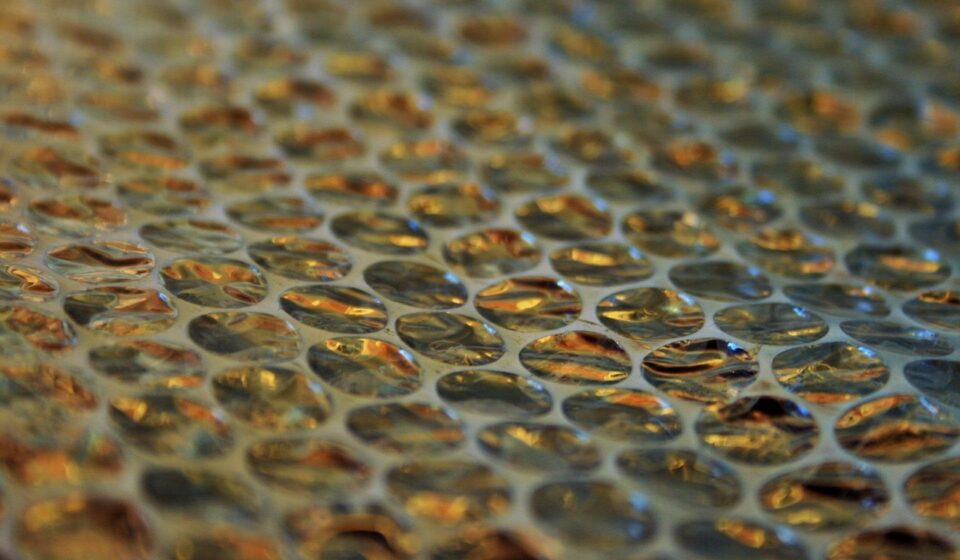
Cushioning materials absorb impact energy when a package is dropped, knocked, or compressed during distribution. Common options include expanded polyethylene foam, polyurethane foam, expanded polypropylene, air pillows, bubble cushioning, molded pulp, honeycomb paper, and engineered corrugated inserts.
The correct cushion depends on the product’s mass and fragility. A cushion that is too soft may bottom out under load. One that is too firm may transfer impact directly to the product instead of absorbing it.
Void fill and blocking materials
Void fill reduces free movement inside a shipping box. Paper fill, air pillows, loose fill, and shaped corrugated pads are widely used for e-commerce and spare parts packaging. However, void fill should not be treated as the same thing as true cushioning. If a fragile item can still hit the inner wall of the carton during a drop, the pack may need a designed cushion or insert rather than loose filler alone.
Surface protection materials
Surface protection matters for painted, polished, coated, printed, or precision-made products. Tissue, interleaving paper, foam sheets, nonwoven wraps, paper sleeves, corner protectors, and protective films help reduce scuffing and contamination. For premium consumer goods, a minor scratch can still trigger a return even when the product remains functional.
Moisture and corrosion control
For metal parts, electronics, medical components, and long-distance shipments, moisture control may be as important as shock protection. Desiccants, vapor corrosion inhibitor materials, barrier bags, coated papers, and sealed liners can reduce exposure to humidity. These materials should be specified according to expected storage time, climate, and product sensitivity, rather than added as a generic precaution.
How to match materials to shipping risk
The best material choice starts with the distribution environment. A product shipped as a full truckload on a pallet faces different risks from a single parcel moving through automated sortation. Parcel networks may involve drops, vibration, conveyor impacts, stacking pressure, and repeated handling. Palletized freight is more exposed to forklift handling, vibration, compression, and warehouse storage.
For low-fragility products, the priority is often movement control and carton strength. For moderate-fragility products, corrugated inserts, paper pads, molded pulp, or bubble cushioning may be enough. For high-fragility products, the packaging engineer usually needs to consider drop orientation, product resonance, cushion thickness, clearance distance, and compression under load.
Industry test protocols from organizations such as ISTA and ASTM are commonly used to simulate distribution hazards. ISTA procedures are often used for packaged-product performance testing, while ASTM D4169 is a widely referenced standard practice for performance testing of shipping containers and systems. These standards do not choose the material for the designer, but they help define whether a package performs under specified conditions.
For more background on packaging material categories and industry updates, readers can browse the packaging materials section.
Material comparison for common applications
No single material is the right answer for every shipment. Protective performance, cost, sustainability, storage space, packing speed, customer experience, and local recycling access all matter. The table below summarizes practical differences that buyers and packaging teams often evaluate.
| Material type | Typical use | Main strengths | Key limitations |
|---|---|---|---|
| Paper void fill | E-commerce parcels, light products, box filling | Renewable fiber options, simple handling, good for blocking movement | May not provide enough cushioning for fragile or heavy products |
| Bubble cushioning | Small fragile items, surface cushioning, parcel packs | Lightweight, flexible, easy to wrap around shapes | Performance depends on air retention and correct wrap thickness |
| Foam sheets and inserts | Electronics, instruments, precision parts, premium goods | Good cushioning and surface protection, can be die-cut or shaped | May be harder to recycle depending on polymer type and local systems |
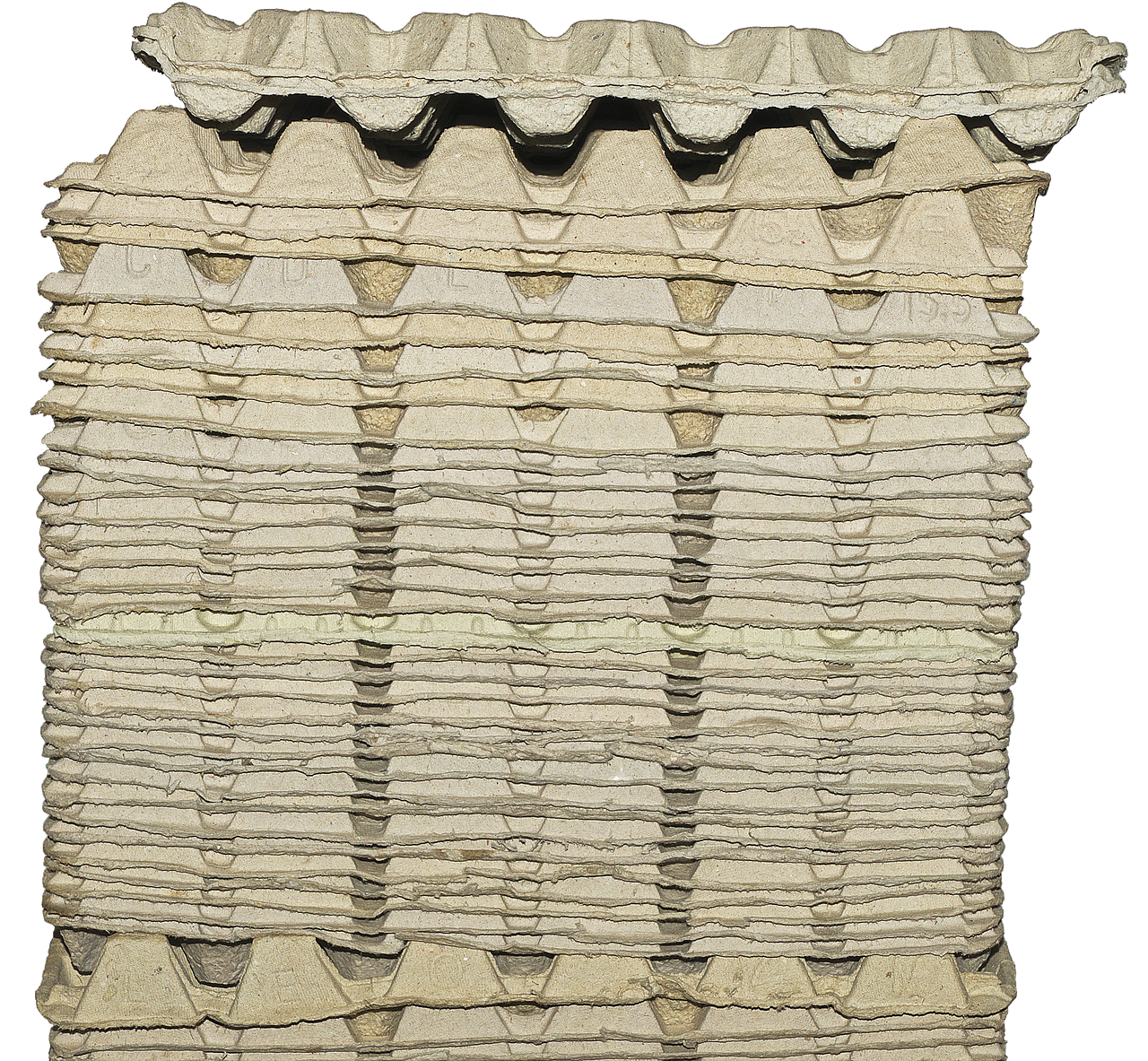
| Molded pulp | Consumer electronics, bottles, appliances, molded trays | Made from fiber, nestable, good product location when designed well | Tooling may be needed, moisture sensitivity must be considered |
| Corrugated inserts | Retail packs, industrial components, multipacks | Uses familiar fiber material, strong blocking and separation | May need careful design to absorb shock rather than only divide space |
| Air pillows | Void fill for lightweight goods | Low material weight, fast packing, space-efficient before inflation | Not suitable for sharp products or high-load cushioning without testing |
| Honeycomb paper | Wrapping, blocking, corner support, heavier products | Good stiffness-to-weight ratio, fiber-based appearance | Bulk and edge performance depend heavily on design |
| Reusable dunnage | Closed-loop logistics, automotive, electronics, industrial flows | Can reduce waste across repeated trips, durable and customized | Requires reverse logistics, cleaning, tracking, and loss control |
The practical lesson is that material names alone do not prove performance. A molded pulp tray can fail if it leaves too little clearance around a delicate part. A plastic foam insert can be wasteful if a simpler corrugated design would pass the same distribution test. A paper-based solution may support branding goals, but it still needs to protect the product under real handling conditions.
Selection factors beyond material cost
Packaging cost is often measured by the unit price of the material, but damage cost is broader. It can include replacement shipments, refunds, customer support time, disposal fees, delayed installation, loss of customer confidence, and extra carbon impact from reshipping. A material that looks cheaper at the packing bench may become expensive if it increases damage or slows fulfillment.
Product fragility and value
Fragility should be assessed by the product’s ability to survive shock, vibration, abrasion, and compression. High-value products usually justify more testing and a larger safety margin. Low-value products may still require strong protection if return processing is expensive or if visible damage affects brand trust.
Pack size and dimensional weight
In parcel shipping, a bulky protective system can increase shipping cost even if the material itself is inexpensive. Right-sizing the carton and using engineered inserts can sometimes reduce both damage and freight cost. The goal is not to remove protection, but to place protection where it actually absorbs risk.
Packing speed and labor
Materials that require multiple wraps, tape steps, or judgment calls may slow fulfillment and create inconsistent results between packers. Preformed inserts, on-demand paper systems, inflatable systems, and kitted protective components can improve consistency when volumes justify them. See also: BOX DESIGN.
Storage and warehouse efficiency
Bulky packaging takes warehouse space. Flat-packed corrugated inserts, compact rolls, nested molded pulp trays, and on-demand air systems can reduce storage pressure. For seasonal sellers, storage efficiency may become a deciding factor.
Sustainability and recyclability require careful wording
Sustainability claims around protective packaging materials should be specific, verifiable, and local. A material may be recyclable in theory but not accepted in all curbside programs. A paper-based material may be renewable but still involve energy, water, coatings, adhesives, or virgin fiber. A reusable system can reduce single-use waste, but only if it circulates enough times and return logistics are well managed.
Responsible evaluation usually compares the whole packaging system rather than one material attribute. Important questions include whether the material prevents product damage, whether it increases carton size, whether it can be collected and recycled in the target market, and whether it contains recycled content. Standards and guidance from groups such as ISO, ASTM, and national packaging authorities are commonly used to structure these claims, especially where recyclability, compostability, or environmental labeling is involved.
Editors and buyers should be cautious with broad phrases such as eco-friendly, green, or sustainable unless the claim is backed by a clear reason. More precise wording is usually stronger: made with recycled fiber, designed for curbside paper recycling where accepted, reusable in a closed-loop system, or reduced pack volume compared with a previous design. These claims still need documentation from suppliers or test results before being used commercially.
A practical framework for choosing protective packaging
A structured selection process reduces guesswork. The following framework can help teams compare options before approving a material change.
- Define the product risk. Record weight, dimensions, fragile zones, surface sensitivity, sharp edges, moisture sensitivity, and acceptable damage limits.
- Map the distribution route. Identify whether the product ships through parcel, pallet freight, retail distribution, export, cold chain, or a closed-loop system.
- Set performance requirements. Decide whether the package must meet internal drop tests, retailer requirements, ISTA procedures, ASTM-based testing, or customer-specific standards.
- Shortlist material systems. Compare cushioning, blocking, surface protection, and moisture control as a complete pack, not as isolated materials.
- Prototype and test. Use sample shipments, lab tests, compression checks, vibration exposure, or controlled drop testing as appropriate for the risk level.
- Review total cost. Include material price, labor time, storage space, freight impact, damage rate, returns, and disposal or recycling requirements.
- Document claims and limits. Keep supplier specifications, test records, and sustainability documentation so future changes are traceable.
This approach is especially useful when a company wants to replace plastic cushioning with fiber-based materials, reduce packaging weight, or improve customer unboxing without increasing damage. The decision should be based on tested performance, not only on appearance or a single sustainability attribute.
Common mistakes that lead to packaging damage
Many damage problems come from small mismatches rather than complete design failure. One common mistake is leaving too much empty space and relying on loose fill to hold the product in position. Another is using a cushion that compresses permanently during storage, leaving the item less protected during the final leg of shipping. A third is protecting the main body of a product while leaving corners, handles, screens, or fittings exposed.
Surface damage is also often underestimated. Products can arrive operational but unsellable if they are scratched, dented, or contaminated. For retail and premium goods, the protective system should consider presentation as well as survival. Interleaving, sleeves, corner guards, and abrasion-resistant wraps can be as important as drop cushioning.
Another mistake is changing one component without retesting the system. A thinner carton, different insert material, new tape, lower-density foam, or alternative paper grade can change performance. Even a small dimensional change may reduce clearance and increase impact transfer. When damage risk matters, the package should be treated as a system.
Frequently asked questions
What are protective packaging materials?
Protective packaging materials are materials used to reduce damage during storage, handling, transport, and delivery. They include cushioning, void fill, blocking, bracing, surface protection, corner protection, moisture control, and reusable dunnage.
Which protective packaging material is best for fragile products?
There is no single best material for every fragile product. Foam inserts, molded pulp, bubble cushioning, engineered corrugated structures, and hybrid systems can all work when properly designed. The best choice depends on product weight, fragility, clearance, shipping route, and test requirements.
Can paper packaging replace plastic cushioning?
Paper-based materials can replace plastic cushioning in some applications, especially for void fill, wrapping, blocking, and molded trays. However, heavy, sharp, moisture-sensitive, or highly fragile products may still require engineered testing before replacement. A direct material swap without performance checks can increase damage risk.
How should businesses evaluate packaging sustainability?
Businesses should evaluate the whole system: product damage prevention, material source, recycled content, pack size, shipping weight, local recycling access, reuse potential, and documentation for claims. A material that looks sustainable may not be the lowest-impact choice if it increases product damage or shipping volume.
When should packaging be tested?
Packaging should be tested when the product is fragile, expensive, heavy, new to the shipping channel, subject to retailer requirements, or affected by a material change. Testing is also useful when damage rates increase or when a company changes carton size, cushioning type, supplier, or fulfillment process.
Conclusion
Choosing protective packaging materials is a balance of performance, cost, handling efficiency, customer experience, and environmental responsibility. The strongest decisions start with the product and distribution risk, then match cushioning, blocking, surface protection, and moisture control to that risk. Material labels are useful, but they do not replace testing, documentation, and system-level thinking. For packaging teams, the most reliable goal is not the most material or the least material, but the right protection in the right place for the actual shipping environment.