Paper packaging in 2026 and the design choices that improve recyclability

Why paper packaging is being redesigned now
Paper packaging is no longer specified simply because it looks natural or can replace a plastic component. In 2026, the buying question is more practical: can the pack protect the product, move through shipping and retail systems, and still have a credible route into paper recycling? Corrugated boxes, folding cartons, kraft mailers, molded fiber trays and paper wraps can all support that goal, provided coatings, adhesives, inks, labels and food residues are considered early in the design process.
Recent industry data shows that paper and cardboard remain among the most recycled packaging materials in both the United States and Europe. At the same time, regulation is pushing packaging toward documented recyclability, minimization and clearer labeling. Paper is a strong packaging platform, but it is not a shortcut. Better outcomes come from matching the paper grade to the product and then designing the whole pack for collection, sorting and mill compatibility.
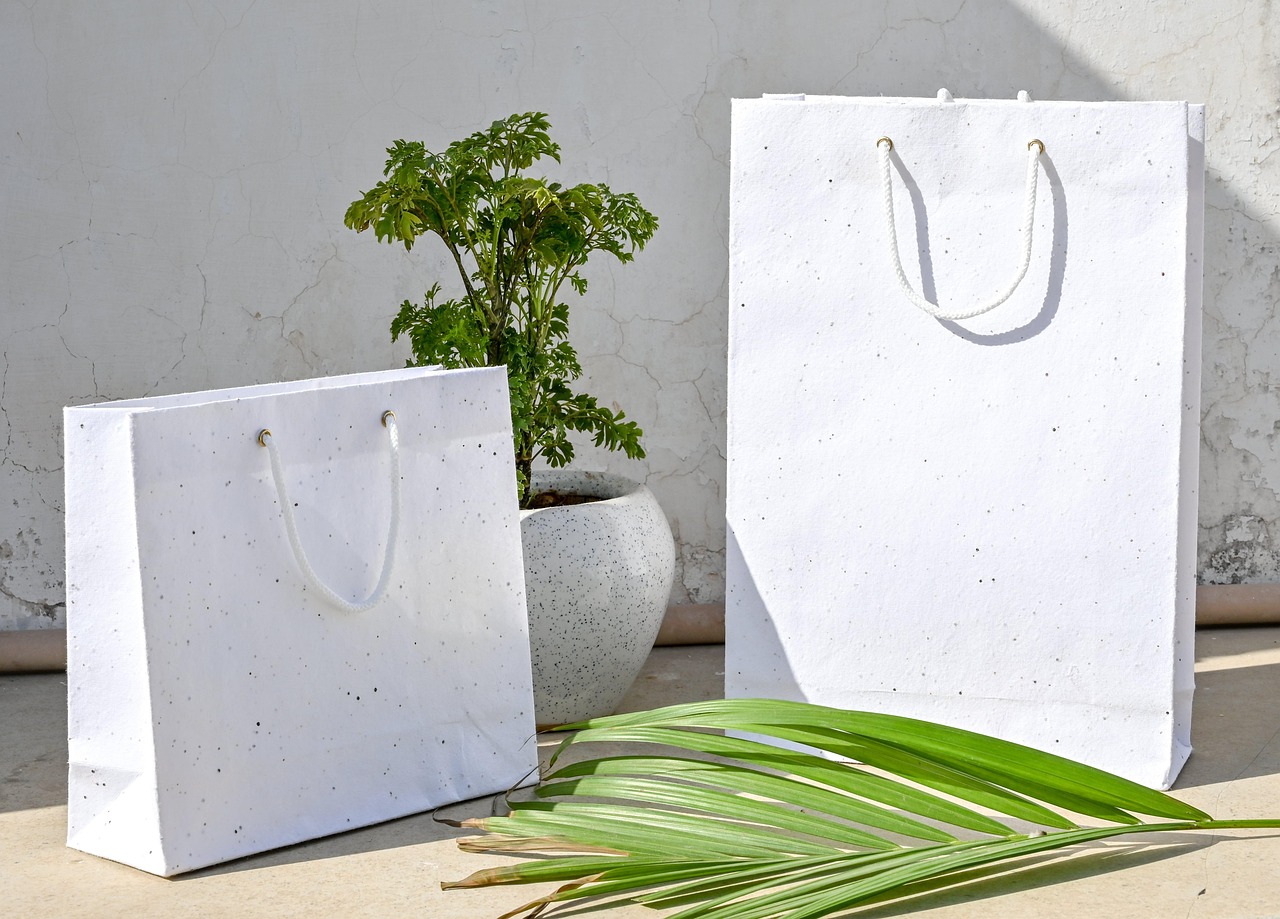
The shift is being driven by several forces at once: e-commerce growth, pressure to reduce unnecessary plastic, retailer scorecards, extended producer responsibility programs, and consumer expectations for packaging that is easy to dispose of correctly. For more coverage of material selection, recycling and packaging formats, see our packaging materials section.
What counts as paper packaging
Paper packaging is a broad category, not a single material. It includes high-strength transport packaging, printed retail cartons, flexible paper wraps, bags, molded fiber, and composite structures that combine paper with coatings or barrier layers. The right format depends on the product’s weight, moisture sensitivity, shelf-life needs, distribution channel and expected disposal route.
| Format | Typical uses | Design watchpoint |
|---|---|---|
| Corrugated board | Shipping boxes, retail-ready packaging, protective inserts | Right-size the box and avoid excessive mixed-material tapes or labels |
| Folding carton board | Food, cosmetics, pharmaceuticals, consumer goods | Balance print, coatings and window materials with recyclability requirements |
| Kraft paper and paper bags | Retail bags, wraps, mailers, void fill | Check tear strength, moisture exposure and adhesive compatibility |
| Molded fiber | Trays, cushions, cups, end caps, protective packaging | Confirm surface quality, nesting efficiency and food-contact requirements where relevant |
| Paper-based composites | Cups, liquid cartons, barrier pouches, coated food packs | Recycling depends on coating type, layer separation and access to suitable recycling systems |
This variety is why claims such as “paper is recyclable” need context. A clean corrugated box entering a mature cardboard stream is very different from a food-contaminated paper cup with a barrier layer, lid and sleeve. Both may be paper-based, but they can behave differently in sorting and pulping.
Recycling data shows strength, but not a free pass
Public recycling data supports the strength of paper-based systems, while also showing why design still matters. The American Forest & Paper Association reported that in 2024 the U.S. paper recycling rate was 60% to 64%, while the cardboard recycling rate was 69% to 74%. The same industry handout said around 46 million tons of paper and more than 33 million tons of cardboard were recycled in that year.
In Europe, the European Paper Recycling Council’s 2024 Monitoring Report reported a 75.1% paper and board recycling rate for Europe, down from the unusually high 79.3% figure in 2023. The report explained that the change was affected by a rebound in paper and board consumption after an unusually low 2023, rather than by a simple collapse in recycling performance. It also reported that 53.4 million tonnes of paper and board were collected and recycled in the paper sector in 2024, while apparent consumption reached 71.1 million tonnes.
| Region or source | Latest cited period | Key figure | What it means for packaging teams |
|---|---|---|---|
| United States, AF&PA | 2024 | Paper recycling rate of 60% to 64% | Paper has a strong recovery base, but local collection and contamination still matter |
| United States, AF&PA | 2024 | Cardboard recycling rate of 69% to 74% | Corrugated remains a dependable option for many shipping applications |
| Europe, EPRC | 2024 | Paper and board recycling rate of 75.1% | European fiber recovery is mature, but annual rates can move with consumption and trade |
| EU paper and cardboard packaging, cited from Eurostat data in EPRC reporting | 2022 | 83.1% recycling rate for paper and cardboard packaging | Packaging-grade fiber performs well compared with many other materials, especially when collected separately |
These numbers are useful, but they should not be read as proof that every paper package is recyclable everywhere. Recycling rates are measured at system level. A specific pack still needs to be accepted by local collection programs, sorted into the correct stream, and processed without creating excessive rejects at the mill.
Design choices that improve paper packaging recyclability
Start with the most likely recycling pathway
A packaging design should begin with a realistic end-of-life assumption. Will the item enter a corrugated stream, a mixed paper stream, a beverage carton stream, a specialized fiber-based composite process, or general waste? The 2026 version of 4evergreen’s Circularity by Design Guideline describes different recycling pathways for paper-based packaging, including conventional paper mill processes, flotation-deinking processes and specialized recycling processes. That distinction matters because a structure that works in one pathway may not be suitable for another.
Keep fiber value high
Paper recycling depends on recovering useful fiber. Heavy lamination, large plastic windows, metalized layers, wet-strength chemistry, non-repulpable coatings and hard-to-remove adhesives can reduce yield or create rejects. If a barrier is needed for grease, oxygen, aroma or moisture, the question is not simply whether the pack contains a barrier. Buyers should ask whether that barrier has been tested against the relevant recycling process and whether it is used only where needed.
Make coatings and barriers proportionate
Many food and personal care products need more protection than plain paper can provide. A dry cereal carton, a bakery bag and a chilled ready-meal tray face very different requirements. Water-based coatings, dispersion barriers and other paper-compatible technologies can help in some applications, but performance still needs to be verified through shelf-life testing, transport testing and recyclability assessment. Over-specifying a barrier can add cost and reduce recyclability; under-specifying it can cause leakage, food waste or product damage.
Manage inks, labels, tapes and adhesives
Small components can create large recycling problems when they are incompatible with paper processing. Labels that detach poorly, excessive pressure-sensitive adhesives, reinforced tapes, plastic handles and decorative films can interfere with sorting or pulping. Designers should ask whether adhesives are screenable, whether inks affect deinking where deinking is relevant, and whether non-paper parts can be minimized or separated by consumers without special tools.
Reduce empty space before changing material
Material substitution gets attention, but packaging minimization can deliver immediate benefits. A smaller corrugated box can lower fiber use, reduce void fill, improve pallet efficiency and cut transport emissions. The EU Packaging and Packaging Waste Regulation points toward minimization and the reduction of unnecessary packaging, and this direction is likely to influence global brand specifications even outside the European Union.
Regulation is making evidence more important
The regulatory direction is clear: paper packaging claims increasingly need documentation. Regulation (EU) 2025/40, known as the Packaging and Packaging Waste Regulation, states that it applies from 12 August 2026 and covers the life cycle of packaging, including environmental sustainability, labeling, extended producer responsibility, waste prevention, reuse, collection and recycling. It applies to packaging regardless of material, so paper-based formats are not automatically exempt from compliance work. See also: BOX DESIGN.
The same regulation includes a broad requirement that all packaging placed on the EU market shall be recyclable, with staged criteria connected to design for recycling and recycling at scale. It also includes requirements affecting packaging minimization and food-contact packaging, including restrictions on PFAS in food-contact packaging from 12 August 2026 based on specified concentration limits. For suppliers and buyers, the practical consequence is that material declarations, design files, test results and recyclability assessments become more important than generic sustainability language.
In the United States, the regulatory picture is more fragmented because packaging requirements can vary by state. Extended producer responsibility, recyclability labeling and material-specific rules should be checked against the actual markets where the packaged product is sold. A national or global brand may need one design platform with several compliance documents rather than one simple claim printed on every pack.
Where paper packaging works best
Paper packaging is often strongest when the product is dry, moderately durable, and compatible with fiber-based protection. Corrugated boxes and molded fiber inserts perform well in many shipping applications because they combine structure, cushioning and wide collection access. Folding cartons remain effective for retail presentation because they print well, fold efficiently and use established converting equipment. Kraft bags, paper mailers and paper void fill can reduce reliance on plastic in many non-liquid, low-moisture applications.
Paper is more challenging when products are wet, oily, heavy, sharp, frozen, oxygen-sensitive or shelf-life critical. In these cases, paper can still play a role, but it may need coatings, liners, windows, films or combination formats. The design decision should compare the whole system: product protection, damage rate, filling speed, transport weight, storage space, recycling acceptance and regulatory exposure. A lighter plastic pack that prevents food waste may sometimes outperform a poorly designed paper alternative. Conversely, a right-sized fiber pack can reduce unnecessary material while improving consumer disposal clarity.
A practical sourcing checklist
Before choosing a paper packaging format, buyers and packaging teams should ask questions that connect performance with circularity:
- Which paper grade or board grade is being specified, and what recycled content or virgin fiber content is required?
- Is the package expected to enter a corrugated stream, mixed paper stream or specialized recycling stream?
- Have coatings, inks, adhesives and labels been tested for the relevant recycling pathway?
- Does the design meet product protection requirements under real shipping, storage and handling conditions?
- Can the pack be right-sized without increasing damage or operational complexity?
- Are food-contact, PFAS, labeling and extended producer responsibility obligations relevant in the target market?
- Can the supplier provide documentation rather than only marketing claims?
- Will consumers understand how to separate or dispose of each component?
This checklist helps avoid a common mistake: treating paper as an environmental claim before treating it as an engineered packaging material. A good paper pack should protect the product first, then make recovery as simple as possible.
Frequently asked questions
Is paper packaging always recyclable?
No. Many paper packaging formats are widely recyclable, especially clean corrugated boxes and simple paperboard cartons. However, recyclability depends on coatings, adhesives, food residues, non-paper components and local collection systems. A paper-based composite may require a specialized recycling pathway.
Can paper packaging replace plastic packaging?
Paper can replace plastic in some wraps, mailers, trays, bags, inserts and secondary packaging. It is less straightforward for applications requiring high moisture, grease, oxygen or aroma barriers. The best decision compares product protection, shelf life, total material use and realistic end-of-life outcomes.
What is the difference between recyclable paper and recycled paper?
Recyclable paper is designed so it can be collected and processed into new material. Recycled paper contains fiber recovered from previous paper products. A package can be recyclable with no recycled content, or contain recycled content while still needing design checks for recyclability.
Are coated paper cups and food packs recyclable?
Some coated cups and food packs can be recycled where collection and suitable processing exist, but acceptance varies. The coating type, food contamination level and access to specialized mills are decisive. Buyers should request test evidence for the specific structure, not just a general paper-based claim.
How should an e-commerce brand choose between a paper mailer and a corrugated box?
A paper mailer may suit soft, lightweight and low-breakage goods. A corrugated box is usually better for fragile, heavy or multi-item shipments that need stacking strength and cushioning. The most sustainable choice is often the smallest format that protects the product reliably and can be recycled in the customer’s location.