Natural packaging materials and what they can realistically replace

What natural packaging materials can and cannot do
Natural packaging materials are often chosen to reduce dependence on fossil-based plastics, improve brand perception, and support circular packaging goals. In practice, their value depends on a tighter set of conditions: the material, the product, the protection requirement, the recovery system, and the wording of any environmental claim all have to fit together. Paper, molded fiber, bagasse, cellulose films, cork, wood, starch blends, and some biobased polymers can replace certain boxes, inserts, trays, wraps, void fill, and foodservice items. They do not automatically replace every plastic pouch, barrier film, bottle, or coated package.
A natural source does not prove recyclability, compostability, low carbon impact, or food-contact suitability. For buyers comparing packaging materials, the real test is how the package performs in the full system, from filling and distribution to use and recovery.
What counts as natural packaging materials
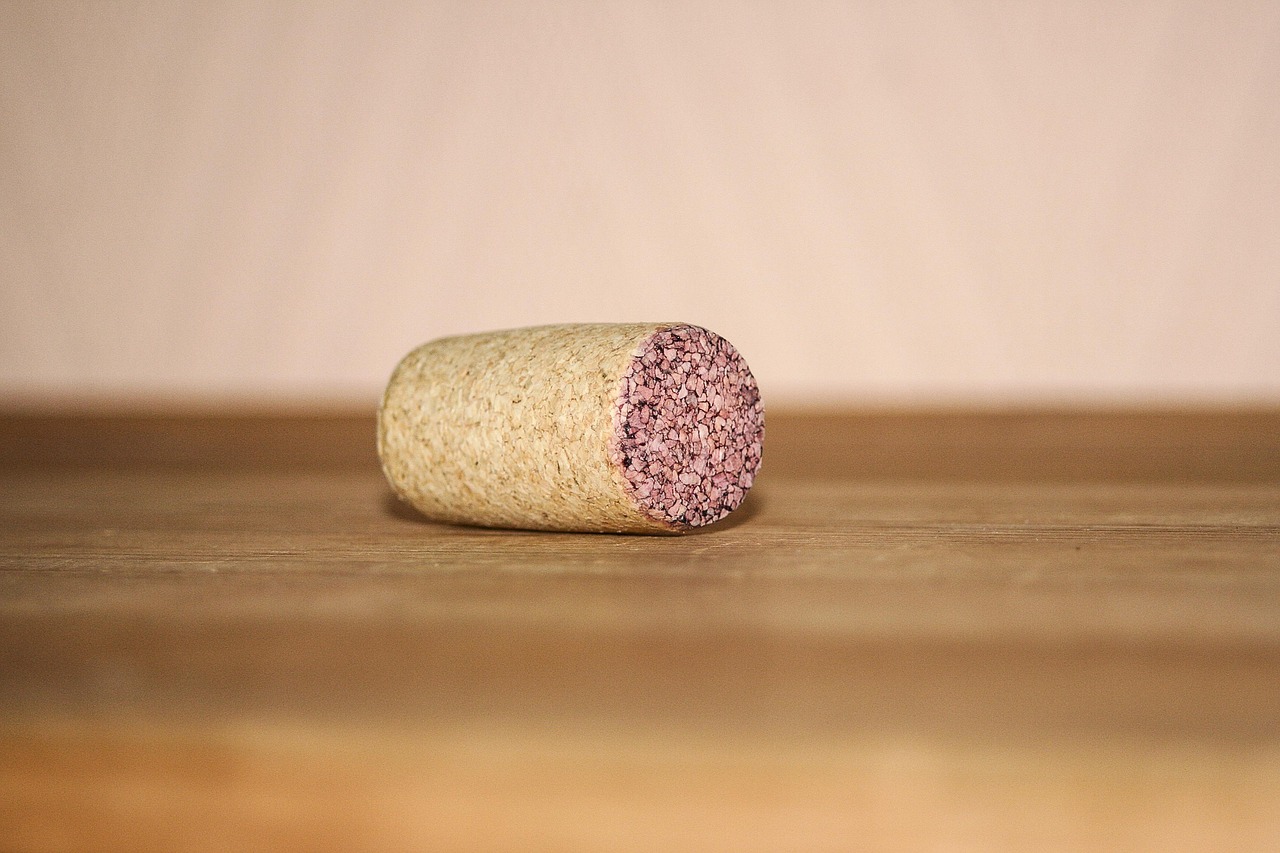
The term natural packaging materials is common in marketing, but it is not a single technical category. In procurement and specification work, it usually refers to materials made from renewable biological feedstocks or from minimally processed natural resources. Common examples include kraft paper, corrugated board, molded pulp, bamboo fiber, sugarcane bagasse, wheat straw fiber, wood, cork, cellulose-based films, starch-based foams, mushroom mycelium composites, and biobased plastics made partly or wholly from plant-derived carbon.
This distinction matters because material origin and end-of-life behavior are separate questions. A fiber tray may be plant-based but difficult to recycle if it uses a heavy grease-resistant coating. A biobased plastic may be derived from plants but still require industrial composting, or it may behave like conventional plastic in recycling streams. A glass jar comes from mineral resources and is widely recyclable in many systems, but it is heavy and energy-intensive to transport. A credible material choice should therefore specify the feedstock, additives, coating, certification, recovery route, and the region where the package will be sold.
Several public authorities and standards bodies use more precise language than natural. The USDA BioPreferred Program focuses on verified biobased content. ASTM standards such as D6400 address labeling of plastics designed for aerobic municipal or industrial composting. The U.S. Federal Trade Commission Green Guides focus on whether environmental claims are truthful and supported by competent evidence. These frameworks are more useful than a broad natural claim when a packaging decision has to pass procurement review, retailer review, or consumer scrutiny.
Common material families and realistic replacements
Natural materials are most useful when they replace a defined packaging function, not when they are treated as a one-for-one substitute for all plastic. The comparison below summarizes common applications and the limits buyers should check before switching.
| Material family | Realistic packaging uses | Important limits |
|---|---|---|
| Paper, kraft paper, paperboard, and corrugated board | Shipping cartons, retail cartons, sleeves, wraps, labels, dividers, mailers, and void fill | Moisture, oil, and oxygen barriers often require coatings or laminates that can complicate recycling |
| Molded pulp, molded fiber, and bagasse | Protective inserts, trays, clamshells, egg packs, electronics cushioning, and foodservice containers | Performance depends on fiber quality, thickness, surface treatment, and acceptance by composting or recycling systems |
| Cellulose films and paper-based flexible structures | Windows, wraps, sachet layers, dry-goods packaging, and lightweight display packaging | High-barrier food, liquids, and long shelf-life products may still need specialized coatings or multilayer design |
| Starch blends, PLA, PHA, and other biobased or compostable polymers | Foodservice ware, liners, bags, produce labels, and applications contaminated with food residue | Compostability depends on certified material, correct labeling, and access to suitable composting facilities |
| Mycelium, cork, wood, straw, and agricultural-residue composites | Cushioning, premium gift packaging, protective blocks, rigid trays, and low-volume specialty formats | Scale, cost, moisture control, dimensional consistency, and supply reliability can be constraints |
A good substitution is usually narrow and measurable. Corrugated paper can replace some plastic secondary packaging. Molded fiber can replace some expanded foam inserts. A certified compostable liner can be appropriate where food scraps and packaging are collected together. But a natural package that increases product damage, contaminates a recycling stream, or cannot be recovered locally may perform worse than the material it replaces.
The environmental test is the system, not the ingredient
Packaging exists to protect products. If a lighter natural material leads to more breakage, spoilage, leakage, returns, or food waste, the overall environmental result may be negative. For that reason, serious packaging evaluation starts with the product and the distribution chain before the material label is discussed.
The scale of the issue is significant. The U.S. EPA municipal solid waste data for 2018 recorded containers and packaging as the largest product category in U.S. municipal solid waste, at more than 82 million tons and 28.1 percent of total generation. That figure is not a reason to replace every package with a natural alternative overnight. It is a reason to reduce unnecessary packaging, design for recovery, and avoid formats that create waste without protecting the product.
Three system questions should guide any natural-material decision. First, does the material prevent damage with the least necessary weight and volume? Second, is the end-of-life route available to the buyer or consumer in the intended market? Third, is the claim on the package specific enough to avoid confusion? The FTC Green Guides warn that recyclable, compostable, degradable, renewable material, and recycled content claims need qualification when access, composition, or performance is limited. In plain terms, a package should not simply say compostable if it only works in industrial facilities that most customers cannot access.
Compostable packaging illustrates the point. The Sustainable Packaging Coalition has described compostable packaging as most valuable where it helps capture food scraps and food-soiled packaging that would otherwise be difficult to recycle. That does not mean every compostable-looking item belongs in every compost bin. Composters worry about contamination, consumer confusion, and materials that do not break down within their operating conditions. A certified material, clear disposal instructions, and local acceptance matter as much as the feedstock.
How regulations and claims changed the buying conversation
As of October 2026, sustainable packaging claims are no longer only a branding topic. They increasingly affect compliance, market access, labeling, and procurement risk. In the European Union, Regulation (EU) 2025/40 on packaging and packaging waste entered into force in February 2025 and began applying on a phased basis from 12 August 2026. The regulation pushes packaging design toward recyclability, waste prevention, reuse where relevant, clearer labeling, and restrictions for certain substances in food-contact packaging. For natural materials, this means a paper-based or plant-based package still has to meet design and information requirements; natural origin alone is not a compliance strategy.
In the United States, the FTC Green Guides remain a key reference for environmental marketing claims. They do not tell a company which material to buy, but they do set expectations for how claims should be substantiated and qualified. A package described as made with renewable material should identify the material and avoid implying unrelated benefits such as recyclability or biodegradability. A compostable package needs competent and reliable evidence that all materials in the package will become usable compost safely and in an appropriate time frame. A recyclable claim should be qualified when suitable facilities are not available to a substantial majority of consumers or communities where the package is sold.
The practical effect is straightforward: material selection and claim review should happen together. Buyers should request documentation before artwork is approved, not after the product is already on shelf. Useful documents may include fiber sourcing information, biobased content verification, food-contact declarations, compostability certification, recycling compatibility testing, coating specifications, and region-specific disposal guidance. The more visible the environmental claim, the stronger the supporting evidence should be. See also: BOX DESIGN.
A practical selection framework for buyers
Natural packaging choices are easier to compare when procurement teams use a structured checklist. The framework below avoids vague questions such as whether a material is green and focuses on what can be verified.
- Define the packaging job. Identify whether the package must protect against impact, moisture, grease, oxygen, light, tampering, temperature, or contamination.
- Remove avoidable material first. Source reduction often creates more certain benefits than swapping one single-use material for another.
- Check product protection. Test compression strength, drop resistance, seal integrity, barrier performance, shelf life, and transport conditions.
- Clarify the recovery route. Decide whether the package is designed for paper recycling, rigid recycling, industrial composting, home composting, reuse, or disposal.
- Confirm local acceptance. A theoretically recyclable or compostable format is weak if the target market lacks collection and processing capacity.
- Review additives and coatings. Wet-strength agents, grease barriers, inks, adhesives, and laminates can change recyclability or compostability.
- Match the claim to evidence. Use qualified wording such as industrially compostable where facilities exist instead of broad claims that consumers may misunderstand.
- Compare total impact. Consider weight, transport distance, product loss, recycled content, renewable content, processing energy, and end-of-life outcomes.
This approach also helps avoid a common mistake: comparing materials by feedstock alone. A thicker paper pouch may look and feel more natural than a thin plastic film, but it may use more mass and still require a barrier layer. A molded fiber insert may be a strong replacement for foam in one product and too bulky for another. A compostable cup may be logical at a stadium with organics collection and confusing in a city where compostable packaging is screened out.
Where natural materials are strong, and where caution is needed
Natural packaging materials are strongest in applications where fiber recovery is established, product protection needs are moderate, and consumers can understand disposal instructions. Examples include corrugated shipping boxes, paper void fill, molded pulp inserts, dry-goods cartons, fiber trays, paper sleeves, and some foodservice formats tied to organics collection. They are also useful when brand goals and regulatory goals align around reduced plastic use, simpler material structures, and clearer sorting.
Caution is needed in high-barrier, wet, oily, frozen, or long shelf-life applications. These packages often rely on multilayer structures, sealants, metallization, or coatings. If a natural-looking package depends on hidden synthetic layers, its recovery path may be less clear than its appearance suggests. Flexible packaging is especially challenging because low weight, sealability, puncture resistance, and barrier performance are difficult to match with mono-material natural alternatives.
There is also a cost and supply-chain dimension. Premium materials such as mycelium composites, cork, bamboo structures, and specialized cellulose films can support distinctive packaging, but they may not fit every price point or production volume. Agricultural residues such as bagasse and straw can be attractive, yet buyers should still ask about sourcing consistency, chemical treatments, food-contact status, and performance across humidity and temperature changes.
The balanced conclusion is that natural materials are an important part of the packaging transition, but they are not a universal replacement for plastic, metal, or glass. The better goal is fit-for-purpose packaging with less unnecessary material, credible claims, and a realistic recovery route.
Frequently asked questions
Are natural packaging materials always biodegradable?
No. Some natural materials biodegrade under certain conditions, but packaging performance depends on coatings, inks, adhesives, thickness, and the disposal environment. A paper package with a plastic laminate may not behave like uncoated paper. A biobased polymer may need industrial composting rather than soil, marine, or home composting conditions.
Is biobased packaging the same as compostable packaging?
No. Biobased describes the origin of the carbon in the material. Compostable describes how the finished item breaks down in a defined composting system. A package can be biobased but not compostable, compostable but only partly biobased, or both biobased and compostable if supported by appropriate testing and certification.
Can paper replace flexible plastic packaging?
Sometimes, but not always. Paper can replace some wraps, mailers, cartons, and dry-goods structures. It is harder to use where the package needs strong moisture, oxygen, grease, aroma, or puncture barriers. Coatings can improve performance, but they may change recyclability or compostability.
What is the safest claim to use for natural packaging?
The safest claim is specific, verified, and limited to what the package actually does. Instead of saying eco-friendly or green, describe the material and evidence, such as made with molded fiber, recyclable where paper recycling is accepted, or certified for industrial composting where facilities exist. Broad claims create more risk because consumers may infer benefits that the package cannot deliver.
What should buyers ask suppliers before switching materials?
Buyers should request material composition, coating details, food-contact documentation where relevant, performance test data, recovery guidance, and claim support. They should also test the package in the real distribution chain. A promising natural material is useful only if it protects the product and can be handled responsibly after use.