How to evaluate recyclable packaging materials beyond the recycling symbol
A recycling symbol does not confirm that a package will be recovered after use. Paperboard, corrugated fiberboard, aluminum, steel, glass, PET, HDPE and some mono-material films can all fit into recyclable packaging strategies, but only where the complete package can be collected, sorted, reprocessed and sold into an end market. In 2026, that distinction matters more as regulators and labeling programs place greater weight on practical recyclability. The U.S. Federal Trade Commission Green Guides treat broad recyclable claims differently depending on access to recycling facilities, while the EU Packaging and Packaging Waste Regulation generally applies from August 12, 2026 and moves the market toward 2030 design-for-recycling requirements. For packaging teams, the safer question is no longer whether a material is technically recyclable. It is whether the finished package can be collected, sorted and recycled at scale in the target market.
What recyclable means in packaging decisions
In packaging, “recyclable” is often used too loosely. A material may be recyclable in a laboratory, pilot line or specialized facility, but that does not mean the same package is widely accepted in household or commercial recycling systems. Practical recyclability normally depends on four linked conditions: the package must be collected, correctly sorted, reprocessed into usable feedstock and supported by a real buyer for the recovered material. You can also explore more in PACKAGING MATERIALS.
That is why a simple material label can be misleading. A PET bottle and a PET thermoform tray may not follow the same recovery path. A paperboard carton with plastic, foil or heavy wet-strength coatings will not behave like a plain corrugated box. A glass bottle is easy to recognize, but its recycling value still depends on color sorting, breakage, local collection economics and distance to processors.
Public guidance from programs such as How2Recycle and technical frameworks from the Association of Plastic Recyclers increasingly reflect this broader view. They look beyond the main substrate and consider closures, adhesives, labels, inks, coatings, package size, detection by sorting equipment and whether the recovered material has a viable market.
For more industry background on material choices and packaging trends, see the Packaging materials section.
How common packaging materials compare
No single packaging material is recyclable in every format or market. The useful comparison is between specific structures used for specific applications. U.S. Environmental Protection Agency data for containers and packaging show why this matters: in its 2018 national municipal solid waste dataset, containers and packaging accounted for 82.2 million tons of generation, or 28.1% of total municipal solid waste. The same dataset estimated a 53.9% recycling rate for containers and packaging overall, but performance varied sharply by material and format.
| Material or format | Where recyclability is often stronger | Common limitations to check |
|---|---|---|
| Corrugated fiberboard | Shipping boxes, e-commerce cartons and secondary packaging. EPA data identifies corrugated boxes among the most recycled product categories by tonnage. | Food contamination, wax coatings, plastic windows, excess tape and multi-material inserts can reduce acceptance or fiber quality. |
| Paperboard and molded fiber | Dry goods cartons, sleeves, trays and protective inserts where fiber is clean and coatings are minimal. | Barrier coatings, laminated plastic or foil, grease and moisture can make recovery more difficult. |
| Aluminum | Beverage cans and some rigid containers, especially where collection systems are mature. | Foil, laminated pouches and small pieces may be harder to sort than cans. |
| Steel | Food cans, aerosol cans where accepted, and other magnetic metal packaging. | Residual product, mixed-material components and local rules for pressurized containers require attention. |
| Glass | Bottles and jars in regions with strong glass collection and color sorting. | Breakage, transport weight, ceramic contamination and weak local markets can limit practical recycling. |
| PET and HDPE rigid plastics | Bottles and jugs, especially clear PET and natural HDPE formats. | Dark pigments, incompatible labels, metalized decoration, problematic closures and non-bottle shapes may reduce recyclability. |
| Flexible plastic films | Some clean mono-material PE films through store drop-off or dedicated commercial streams. | Curbside access is often limited; multi-layer films and food residue are major barriers. |
The practical lesson is that the material family is only the starting point. Format, size, additives and the intended recycling stream often decide whether recyclable packaging materials are likely to be recovered in practice.
Design details that can improve or weaken recyclability
Many recyclability problems come from design details rather than the main material itself. A package may start with a widely recycled substrate and still become difficult to process because of its labels, adhesives, coatings, colors or closures.
Use mono-material structures when performance allows
Mono-material packaging is generally easier to identify and reprocess than laminated structures that permanently bond different materials. A plain corrugated shipper or a clear PET bottle, for example, usually fits a clearer recycling pathway than a pouch made from several plastic layers, foil and adhesive. The qualification matters: mono-material design still has to protect the product. If the package fails and causes damage, spoilage or returns, the environmental benefit may be lost.
Match labels, inks and adhesives to the recycling stream
Labels and adhesives can contaminate recycled material or interfere with washing and separation. Plastic recyclability guidance from the Association of Plastic Recyclers evaluates features such as label materials, adhesives, closures, inks and package size because these details affect sortation and reprocessing. In paper recycling, plastic windows, foil stamping and heavy coatings can reduce fiber recovery or create quality issues for mills.
Avoid design features that sorting systems miss
Material recovery facilities rely on screens, magnets, eddy current separators, optical sorters and manual quality control. Very small items may fall through screens. Black or very dark plastic can be harder for some optical sorters to identify. Flat plastic items can behave like paper in sorting equipment. These operating realities explain why “made from a recyclable resin” is not enough to show that a package will actually be recycled.
Control contamination at the user stage
Food residue, liquids and product remains can lower the value of recovered material. Packaging that is easy to empty, rinse or separate is usually more compatible with recycling than packaging that traps contents. Designers can help by choosing wide openings, removable components and clear disposal instructions, but those instructions must match actual local acceptance.
Regulatory and claim issues to watch in 2026
Recyclability is now both a design issue and a claims issue. In the United States, the FTC Green Guides state that marketers should qualify recyclable claims when recycling facilities are not available to a substantial majority of consumers or communities where the item is sold. The FTC has historically used 60% access as the threshold for an unqualified recyclable claim. This does not mean a package is automatically sustainable; it means marketers must be careful about how they describe recycling availability.
In the European Union, Regulation (EU) 2025/40 on packaging and packaging waste entered into force on February 11, 2025 and generally applies from August 12, 2026. The European Commission describes the regulation as part of a move toward less packaging waste, more harmonized rules and recyclability requirements. Key measures include making packaging recyclable by 2030, introducing harmonized labeling from 2028 and increasing recycled content requirements for plastic packaging from 2030 and 2040.
For food-contact packaging, recycled content adds another layer of review. U.S. Food and Drug Administration guidance on recycled plastics in food packaging focuses on chemistry considerations, including the possibility that contaminants may remain in recycled plastic and migrate into food. This does not rule out recycled plastic for food packaging, but it does mean source control, cleaning efficiency and regulatory suitability must be evaluated carefully. See also: BOX DESIGN.
For packaging teams, the practical takeaway is to separate three questions. Is the material technically recyclable? Is the full package likely to be collected and processed in the target market? And can the recycling claim be made without overstating consumer access or actual recovery?
A practical checklist for choosing recyclable packaging materials
When comparing recyclable packaging materials, a structured checklist is more useful than a generic material ranking. The right answer for a beverage bottle, a cosmetics jar, a frozen food pouch and an e-commerce mailer will not be the same.
- Define the market first. Recycling access and accepted formats vary by country, state, municipality and commercial collection system.
- Identify the dominant material stream. Choose a structure that fits an established paper, metal, glass or plastic stream instead of creating a hard-to-sort hybrid.
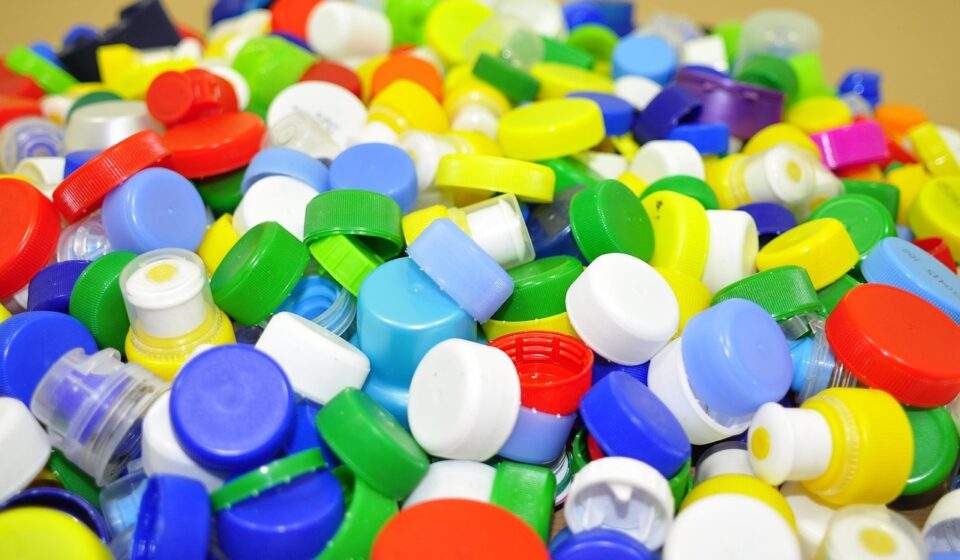
- Check the whole package. Include caps, pumps, labels, sleeves, inks, adhesives, windows, coatings and inserts in the recyclability review.
- Prefer clear and natural colors when possible. Clear PET and natural HDPE generally have stronger recycled-material value than heavily pigmented alternatives.
- Minimize contamination risk. Design packaging so users can empty it easily and separate components only when that instruction is realistic.
- Verify claim language. Avoid broad statements such as “100% recyclable” unless the full package and target market support the claim.
- Balance recyclability with product protection. A recyclable package that causes more product damage, spoilage or returns may create a worse total outcome.
For packaging buyers, the same checklist can guide supplier conversations. Instead of asking only for a material name, ask which recycling stream the package is designed for, what design guide was used, whether any component is considered detrimental and what evidence supports the claim in the intended selling region.
Where recyclable packaging is heading
The next stage of recyclable packaging is likely to be more evidence-based. Recycling symbols and resin identification codes are no longer enough for credible decision-making. Regulators, retailers and labeling programs are asking whether a package can move through real systems and become useful feedstock for new products.
Three shifts are especially important. First, design-for-recycling is becoming a procurement requirement rather than a late-stage marketing edit. Second, recycled content and recyclability are being evaluated together, especially for plastic packaging. Third, regional rules are becoming more specific, so global packaging designs may need market-by-market confirmation.
This creates pressure, but it also gives packaging teams a clearer way to reduce risk. Brands, converters and material suppliers can simplify structures, document recyclability assumptions and stay close to official guidance. For publishers and industry readers following these changes, packaging news will increasingly focus not just on new materials, but on proof of collection, processing and compliance.
Frequently asked questions
Are all paper packaging materials recyclable?
No. Plain corrugated fiberboard and many paperboard formats are widely recycled, but paper packaging can lose recyclability when it includes heavy food residue, plastic lamination, foil layers, wax coatings or other barriers that mills cannot process efficiently.
Is compostable packaging the same as recyclable packaging?
No. Compostable packaging and recyclable packaging are designed for different recovery systems. A compostable item may not belong in a recycling stream, and a recyclable item may not break down in a composting facility. Claims should match the actual collection and processing route available to users.
Can plastic packaging be recyclable?
Yes. Some plastic packaging can be recyclable, especially well-designed PET and HDPE bottles and jugs in markets with collection and reprocessing infrastructure. Other plastic formats, such as multi-layer flexible pouches or small mixed-material components, are often more difficult to recycle in practice.
Does recycled content prove that a package is recyclable?
No. Recycled content describes what the package is made from. Recyclability describes what can happen to the package after use. A package can contain recycled material but still be difficult to recycle if its final structure is not compatible with collection, sorting or reprocessing systems.
What is the most important first step when selecting recyclable packaging materials?
Start with the target recovery system. Confirm where the package will be sold or used, which formats are accepted there and whether the complete package design fits that stream. Material selection should follow the recycling pathway, not the other way around.