Cardboard packaging design priorities for recycling and compliance in 2026

Cardboard packaging is becoming a design and compliance decision
Cardboard packaging remains one of the most practical choices for shipping, retail display, food-adjacent cartons, protective inserts, and e-commerce fulfillment. It is lightweight for its strength, accepts print well, is widely collected in many markets, and is supported by mature recycling infrastructure. In 2026, however, specifying cardboard packaging is no longer as simple as choosing paper instead of plastic. Buyers need to consider fiber strength, right-sizing, coatings, inks, adhesives, return damage, recycling access, and tighter packaging rules. U.S. industry data from AF&PA reported a 2025 cardboard recycling rate of 70% to 75% for cardboard available for recovery, while EU packaging rules now place stronger emphasis on recyclability by design. Cardboard packaging performs best when it is engineered as a system, not treated as a generic box.
For more background on related substrates and formats, see the site’s packaging materials category.
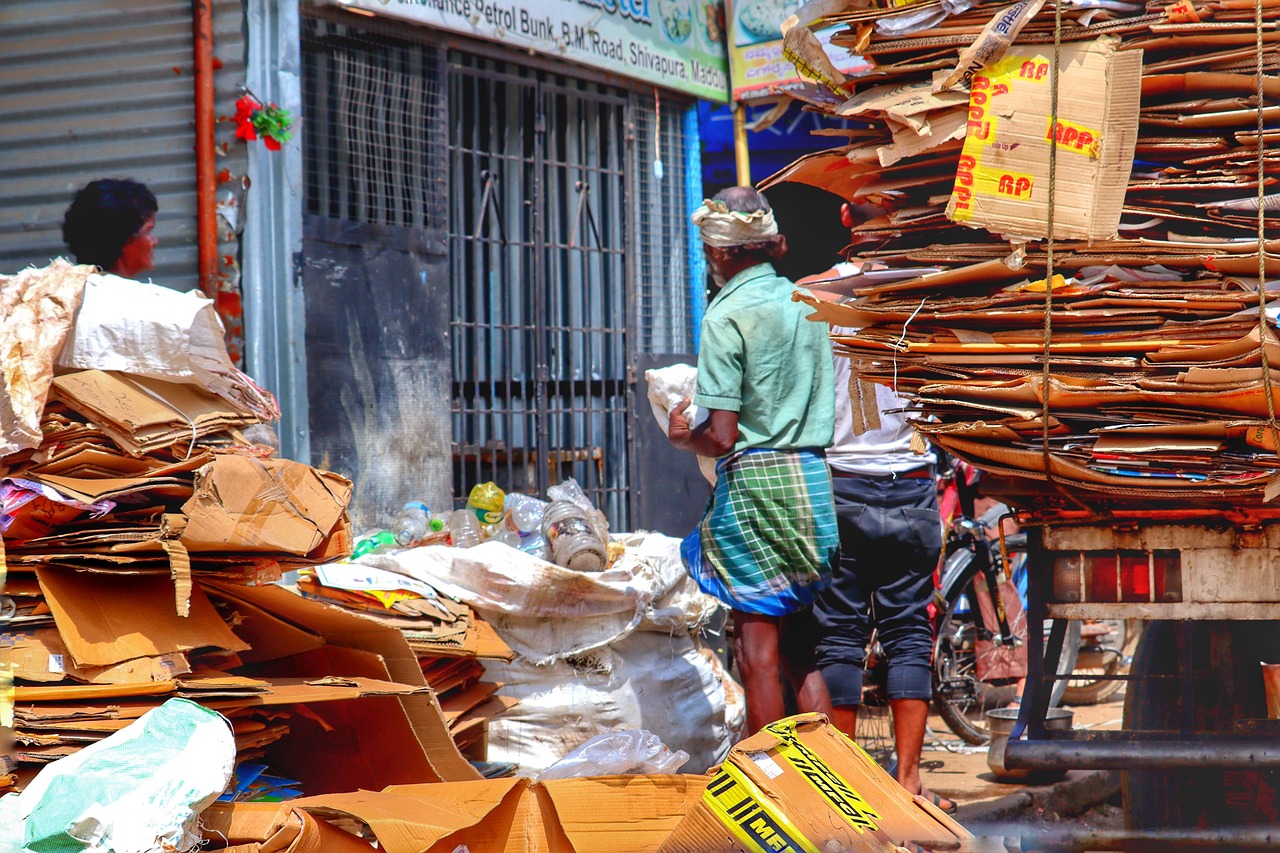
What cardboard packaging means in commercial use
In everyday language, cardboard packaging often means any paper-based package that feels rigid. In commercial packaging, it covers several different structures, and mixing them up can lead to poor specifications. Corrugated fiberboard is the material commonly used for shipping cases. It has fluted paper between linerboards, giving it compression strength and cushioning. Paperboard, sometimes called cartonboard, is thinner and more compact. It is used for folding cartons, sleeves, retail boxes, and light-duty consumer packaging. Rigid paperboard is thicker and is often used for premium set-up boxes, although some constructions can be harder to flatten and recover efficiently.
| Format | Typical use | Design watchpoint |
|---|---|---|
| Corrugated box | Shipping, e-commerce, industrial distribution | Match board grade and flute profile to product weight, stacking, and transit risk |
| Folding carton | Retail cartons, dry goods, cosmetics, small consumer goods | Balance shelf appearance with material weight and coating choices |
| Paperboard sleeve | Multipacks, trays, replacement for some plastic wraps | Check tear resistance, moisture exposure, and consumer handling |
| Dividers and inserts | Protection, separation, presentation | Avoid overbuilding inserts that increase fiber use without reducing damage |
| Coated paperboard | Food-adjacent, chilled, or grease-risk uses | Coatings may affect recyclability claims and local acceptance |
This distinction matters because sustainability, cost, and compliance depend on the exact structure. A corrugated shipping case with minimal printing and paper tape may have a very different end-of-life profile from a laminated retail carton with metallic film, plastic windows, magnets, or a heavy barrier coating.
Why recycling strength does not make every design automatically recyclable
Cardboard has a strong recycling story, especially compared with many complex plastic formats. AF&PA announced in August 2026 that the U.S. recycled about 45 million tons of paper in 2025, including more than 33 million tons of cardboard. The same announcement estimated that 70% to 75% of cardboard available for recovery was recycled. EPA’s most recent national municipal solid waste product-specific dataset, based on 2018 figures, also shows the scale of the material: corrugated boxes were the largest single product category in U.S. municipal solid waste generation at 33.3 million tons.
Those figures explain why cardboard packaging is central to circular packaging discussions. Large volumes create both a challenge and an opportunity. When cardboard is clean, flattened, and collected through established systems, it can become valuable recovered fiber feedstock for containerboard and other paper products. But a package is not recyclable simply because its main layer is fiber. Moisture, food residue, wax, plastic lamination, foil, certain barrier coatings, and non-paper components can reduce recoverability or require the claim to be qualified.
For buyers, the practical question is not whether cardboard can be recycled in theory. The better question is whether this exact package can be collected, sorted, pulped, and used again in the markets where it is sold. That question is becoming more important as regulators scrutinize environmental claims and recycling systems push back against contamination.
Design priorities that improve performance and recovery
The strongest cardboard packaging designs start with product protection, then remove unnecessary material without increasing damage. Under-packaging can be just as wasteful as over-packaging if it leads to returns, breakage, replacement shipments, or discarded goods. A well-designed carton or corrugated case should protect the product through the real distribution route, including warehouse stacking, parcel handling, humidity exposure, retail handling, and consumer opening.
Right-size the structure before changing the material
Right-sizing reduces void fill, freight volume, and fiber use. In e-commerce, a smaller case can also reduce dimensional weight and limit the need for plastic air pillows or excess paper fill. The key is to use product dimensions, fragility, stacking requirements, and fulfillment constraints rather than selecting from a standard box range by habit.
Choose coatings only when they solve a defined problem
Barrier coatings can be necessary for grease, moisture, chilled distribution, or food-contact performance. They should not be treated as harmless add-ons. A water-resistant or grease-resistant surface may improve function but complicate recycling if it prevents fiber separation or introduces non-fiber residue. When a coating is required, buyers should ask whether it is repulpable, whether it has been tested under recognized protocols, and whether the recyclability claim needs a market-specific qualification.
Simplify labels, windows, closures, and decorative effects
Packaging teams often focus on the box material while overlooking smaller components. Plastic windows, heavy varnish, foil stamping, laminated labels, magnetic closures, and mixed-material handles can weaken recyclability or add manual separation steps. Simpler decoration does not mean weak branding. It means using print, structural design, and clear graphics instead of unnecessary composite features.
Design for easy consumer action
Even a recyclable package can fail if consumers do not know what to do with it. Clear disposal instructions, easy flattening, removable non-paper parts, and minimal residue help material reach the right stream. FTC Green Guides in the United States state that recyclable claims should be qualified when appropriate recycling facilities are not available to at least 60% of consumers or communities where the package is sold. That principle supports a cautious approach: avoid broad claims if acceptance is uncertain.
Compliance pressure is changing cardboard packaging specifications
Regulation is moving packaging decisions away from broad sustainability language and toward measurable design requirements. In the European Union, Regulation (EU) 2025/40 on packaging and packaging waste entered into force on 11 February 2025 and has applied since 12 August 2026. The regulation aims to make packaging placed on the EU market recyclable in an economically viable way by 2030 and introduces a harmonized framework covering packaging design, waste prevention, reuse, recyclability, labeling, and other obligations.
The EU context matters even for companies outside Europe because global brands often standardize packaging specifications across regions. A design that depends on unclear recyclability, excessive empty space, unnecessary mixed materials, or unsupported green claims may become harder to justify. The European Commission’s packaging waste information also shows why paper-based formats attract attention: paper and cardboard represented 40.8% of EU packaging waste in 2024, and total packaging waste generation was reported at 181 kg per person. High volume makes fiber packaging a priority for waste prevention as well as recycling.
In the United States, there is no single federal packaging law equivalent to the EU regulation, but environmental marketing claims remain subject to truth-in-advertising principles. The FTC Green Guides require recyclable and recycled-content claims to be clear, substantiated, and not misleading. In practice, packaging specifications should be backed by evidence such as material composition, recovered content definitions, recycling access, testing where needed, and supplier documentation. See also: BOX DESIGN.
How buyers should compare cardboard with alternative packaging
Cardboard packaging is often positioned as a lower-impact replacement for plastic, foam, or rigid packaging. Sometimes that is true, especially when it replaces difficult-to-recycle formats and uses existing collection streams. A credible comparison, however, should look beyond the visible material. It should consider product damage, weight, transport efficiency, recycled content, water and energy use, storage space, cold-chain performance, and local end-of-life infrastructure.
For dry goods, spare parts, apparel, electronics accessories, books, and many consumer products, corrugated and paperboard formats can deliver strong performance with good recovery potential. For liquids, frozen products, oily foods, high-humidity environments, or heavy industrial parts, cardboard may need liners, coatings, molded pulp, or hybrid structures. Those additions may still be justified, but they change the environmental and compliance profile.
A useful buyer checklist includes:
- Does the package protect the product through the actual distribution route?
- Can the board grade or flute profile be reduced without increasing damage?
- Are all coatings, windows, labels, tapes, and closures necessary?
- Is the package accepted in the intended recycling systems?
- Are recyclability and recycled-content claims supported by evidence?
- Does the design minimize empty space and avoid unnecessary inserts?
- Can printing and decoration be simplified without weakening shelf communication?
This approach keeps cardboard packaging decisions grounded in performance rather than slogans. It also helps procurement, design, sustainability, and compliance teams evaluate the same package from different angles.
Practical specification moves for 2026
Packaging teams updating cardboard specifications in 2026 should focus on measurable improvements. First, create a material map for each package, including board type, coatings, adhesives, labels, tape, inks, inserts, and any non-paper parts. Second, separate design requirements from habits. If a double-wall case is used because it has always been used, test whether a lighter board or better insert geometry can provide equal protection. Third, use evidence-based claims. If a package says recyclable, the team should know where it is recyclable and whether the statement needs qualification.
Fourth, build compliance review into the design stage instead of treating it as final artwork approval. This is especially important for packaging sold across multiple regions. A claim or symbol that seems acceptable in one market may be too broad in another. Fifth, monitor waste-prevention requirements, not just recycling targets. The next phase of cardboard packaging improvement will not be only about making boxes recyclable; it will also be about using fewer boxes, less fiber, less void space, and fewer problematic components while maintaining product protection.
The central design principle is balance. Cardboard packaging should be strong enough to prevent product loss, simple enough to recover, light enough to avoid waste, and documented well enough to support claims. That is where cost control, compliance, and sustainability goals begin to align.
Frequently asked questions
Is cardboard packaging always recyclable?
No. Many cardboard formats are recyclable in established paper streams, but recyclability depends on the exact structure and local infrastructure. Food residue, moisture, wax, plastic lamination, foil, and some barrier coatings can limit recovery or require a qualified claim.
What is the difference between cardboard and corrugated packaging?
Cardboard is a broad informal term for rigid paper-based packaging. Corrugated packaging is a specific structure made with fluted paper between linerboards. Corrugated boxes are usually used for shipping and distribution because the fluted layer adds strength and cushioning.
Does recycled content automatically make cardboard packaging more sustainable?
Not automatically. Recycled content can reduce demand for virgin fiber and support recovered paper markets, but performance, transport efficiency, contamination, product damage, and end-of-life recovery also matter. A weak package that causes returns may create more waste than a slightly heavier package that protects the product reliably.
How should brands prepare for 2030 recyclability expectations?
Brands should start by simplifying material structures, documenting package components, testing recyclability where claims are important, and reducing unnecessary coatings or mixed-material features. For products sold in or influenced by the EU market, Regulation (EU) 2025/40 makes recyclability by design a major planning issue before 2030.
What is the most important cardboard packaging priority in 2026?
The priority is not one single material change. It is designing cardboard packaging as a complete system: right-sized structure, proven product protection, minimal problematic components, clear disposal communication, and substantiated environmental claims.