Cardboard packaging boxes for shipping, storage and recyclable design
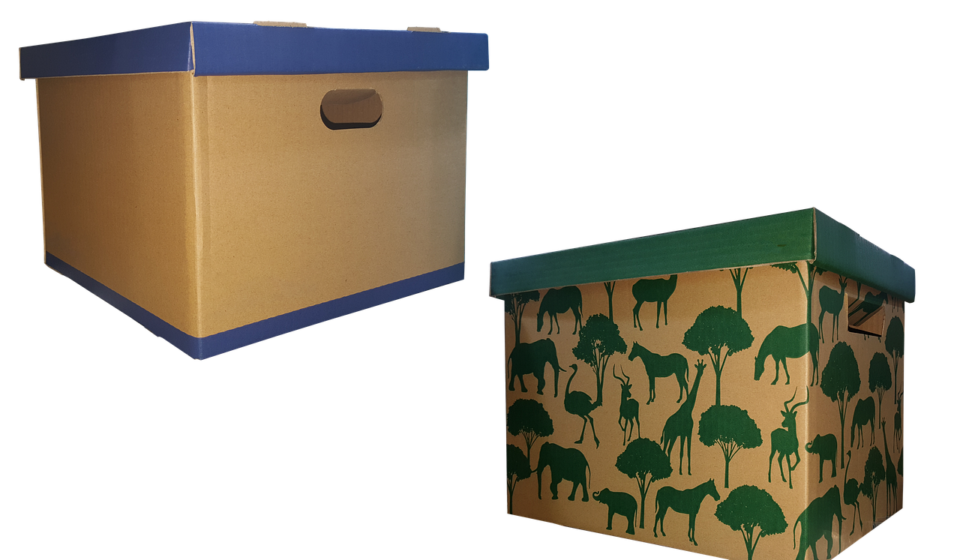
The role of cardboard boxes in packaging material decisions
Cardboard packaging boxes remain a practical choice for shipping, storage, e-commerce fulfillment and many retail-ready applications. The right box, however, is rarely just the thickest or lowest-cost option. A useful specification connects the product, distribution route, handling method, storage conditions, graphics needs and end-of-life goal in one package design.
In most shipping contexts, the box people casually call cardboard is corrugated fiberboard: a paper-based structure made with flat linerboard and a fluted medium that adds stiffness, cushioning and stack strength. The Fibre Box Association describes corrugated fiberboard as combined board made from linerboard and medium, with the medium formed into arches or flutes. (fibrebox.org)
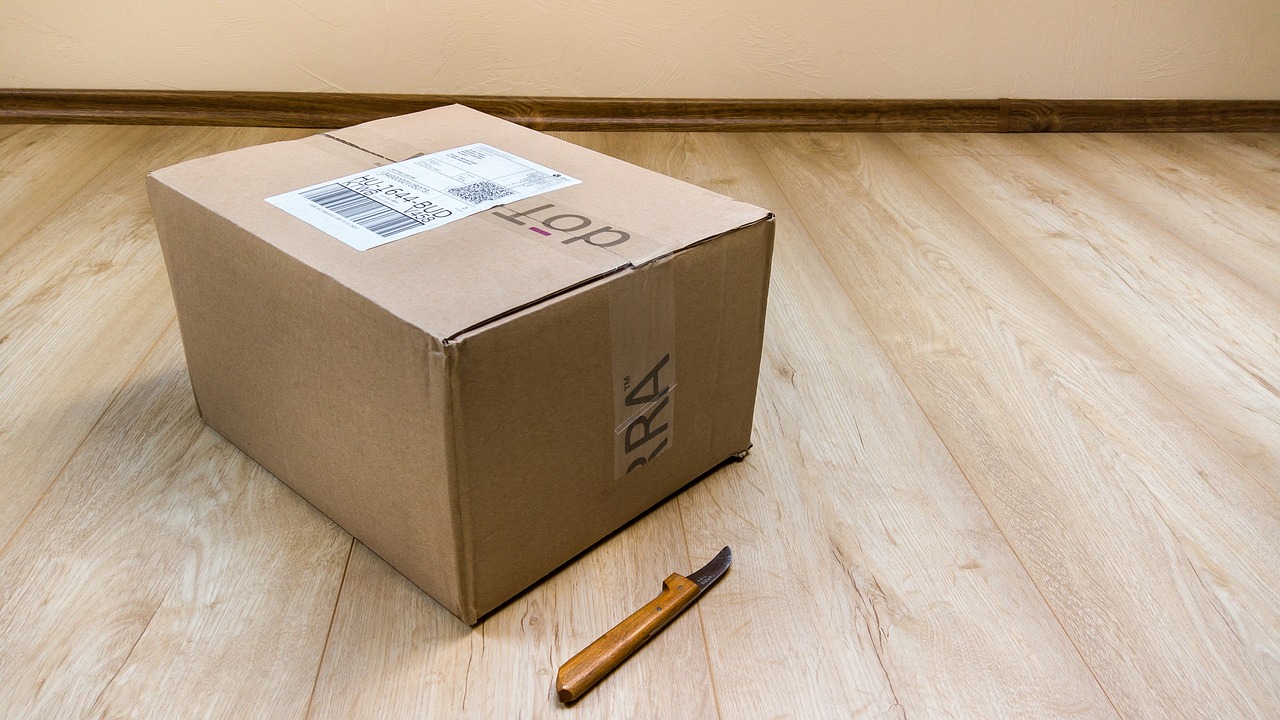
Cardboard boxes are most sustainable and cost-efficient when they are right-sized, strong enough for the distribution environment, easy to recover, and tested before scale-up. For more background across related substrates, see our packaging materials coverage.
Cardboard, corrugated and paperboard are not the same
Packaging teams often use the word cardboard broadly, but the technical differences matter. A cereal carton, a folding carton for cosmetics and a heavy shipping case may all be called cardboard in everyday language, yet they perform differently in compression, puncture resistance, print quality and recycling streams. The most common shipping box is corrugated board because the fluted layer separates the liners and creates a lightweight beam structure.
| Common term | What it usually means | Typical use | Main design concern |
|---|---|---|---|
| Corrugated box | Fluted medium bonded to one or more linerboards | Shipping, storage, e-commerce and industrial packs | Compression, handling damage, moisture exposure and closure strength |
| Paperboard carton | Single-ply board without a corrugated flute | Retail cartons, sleeves and light consumer goods | Creasing, print finish, shelf appearance and product fit |
| Rigid paper box | Thicker board construction, often wrapped or laminated | Premium presentation packaging | Appearance, protection, material separation and cost |
| Solid fiberboard box | Dense fiberboard without a fluted structure | Specialty or heavy-duty applications | Moisture resistance, stacking behavior and regulatory requirements |
This distinction affects purchasing as well as engineering. If a buyer asks only for cardboard boxes, suppliers may quote very different structures. A clearer request specifies corrugated grade, wall construction, flute profile, internal dimensions, box style, print method, closure, product weight, pallet pattern and any recycling or compliance constraints.
How structure controls performance
Board construction and flute profile
Corrugated board can be made as single face, single wall, double wall or triple wall, depending on how many linerboards and fluted mediums are combined. The Fibre Box Association notes that single wall board has a corrugated medium glued between two linerboard sheets, while double wall and triple wall add additional liners and mediums for greater structural capacity. (fibrebox.org)
Flute profile influences cushioning, stacking and print surface. Larger flutes generally provide more cushioning and vertical compression potential, while smaller flutes can offer a smoother surface for graphics and finer die-cut work. FBA lists common flute designations including A, B, C, E and F, with approximate flute counts ranging from about 33 flutes per foot for A flute to about 125 flutes per foot for F flute. (fibrebox.org)
Box style and dimensional fit
Performance is not determined by board grade alone. A regular slotted container is efficient for many shipments, but a die-cut mailer, full-overlap box, five-panel folder, telescoping box or tray-and-lid design may be more suitable for a specific product. ASTM’s description of fiberboard shipping box practice notes that corrugated and solid fiberboard boxes are used to unitize products into packages suitable for handling and to protect contents against environmental, handling, shipping and storage conditions. (store.astm.org)
Dimensional fit is one of the easiest variables to control. Too much empty space increases material use and can allow the product to move inside the box. Too little allowance can lead to bulging, closure failure or corner damage. A practical design starts with the product’s true outside dimensions, fragile points, orientation limits and required cushioning clearance before the outside box size is selected.
Closure, inserts and handling details
A box is only as reliable as its weakest interface. Tape width, glue pattern, staple placement, locking tabs, hand holes, inserts and dividers all affect package performance. For heavy or irregular products, interior supports may reduce damage more effectively than a heavier outer box. In high-volume e-commerce, easy opening and return usability may also be part of the brief, provided those features do not weaken transit protection.
Recyclability is strong, but design still matters
Paper-based packaging has a strong recovery infrastructure in the United States. AF&PA reported in August 2025 that the 2024 U.S. cardboard recycling rate was 69% to 74%, with more than 33 million tons of cardboard recycled, or about 90,000 tons per day. It also reported a 2024 paper recycling rate of 60% to 64%. (afandpa.org)
Those rates make corrugated boxes attractive for circular packaging goals, but they do not make every paper-faced package automatically recyclable in practice. Heavy coatings, wet-strength treatments, plastic laminates, wax barriers, metallic layers, contaminated fibers or non-removable components can complicate repulping and sorting. AF&PA and the Fibre Box Association maintain a voluntary standard for evaluating the repulpability and recyclability of coated or treated corrugated board and its equivalents in the old corrugated containers recycling stream, which is why treated board should be assessed rather than assumed recyclable. (afandpa.org)
The Sustainable Packaging Coalition frames sustainable packaging design as a holistic strategy that includes elimination or reduction, sourcing practices, transport efficiency and material health. That approach is especially relevant for cardboard packaging boxes because lightweighting, right-sizing and recyclability can support one another, but they can also conflict if a box becomes too weak and leads to product damage. (sustainablepackaging.org)
- Use the smallest box that still protects the product and allows necessary cushioning.
- Prefer mono-material fiber designs where performance allows.
- Minimize coatings, windows and laminates that are not needed for the product.
- Confirm whether labels, tapes and inks are compatible with the target recovery stream.
- Design for flattening, sorting and clear disposal instructions where consumer participation matters.
- Balance material reduction against damage prevention, because replacing a damaged product can outweigh the savings from an under-specified box.
Regulation and buyer expectations are moving toward proof
Packaging claims are becoming more evidence-based. In the European Union, new packaging and packaging waste rules began applying from 12 August 2026, according to the European Commission. The Commission describes the law as addressing packaging waste, harmonizing rules across the single market and creating opportunities for recycling and sustainable packaging solutions. (commission.europa.eu)
The European Commission also states that all packaging must be recyclable by 2030 under the Packaging and Packaging Waste Regulation framework. For cardboard packaging boxes, this does not mean every design must look identical. It means material choices, labels, coatings and composite features need to be justified against recyclability criteria and market access requirements. (environment.ec.europa.eu) See also: BOX DESIGN.
For companies selling across multiple regions, the practical lesson is to document more than the box price. Specifications should retain board composition, recycled content claims where used, coating descriptions, supplier declarations, test reports, artwork and disposal labeling decisions. This documentation helps purchasing, quality, sustainability and compliance teams work from the same evidence base.
Testing turns a box choice into a packaging system
Transit testing is the bridge between a promising design and a reliable package. ISTA explains that its test procedures range from 1-Series screening tests used early in design to 3-Series general simulation tests that represent hazards in specific shipment types. It also notes that selecting the correct procedure matters for the intended outcome. (ista.org)
ISTA’s design and testing guidance emphasizes understanding the actual distribution environment, including how packaged products are shipped, handled and stored. It also identifies product damage tolerance and package degradation allowance as items that many protocols require before testing begins. (ista.org)
That guidance matters because cardboard boxes fail in different ways. A box may pass a short handling route but collapse in warehouse stacking. A mailer may look clean and efficient but fail after repeated drops. A double-wall shipper may survive compression yet transfer shock to a fragile component if the insert is poorly designed. Testing should therefore evaluate the product and package together, not the box as an isolated material.
- Define the product’s damage limits and acceptable cosmetic condition.
- Map the route, including parcel, pallet, courier, warehouse and retail handling stages.
- Select the box style, board structure, cushioning and closure as a complete system.
- Run screening checks before committing to tooling or large print runs.
- Use relevant pre-shipment test procedures for the actual channel.
- Record failures and redesign based on observed modes, not assumptions.
A practical specification checklist
A good specification for cardboard packaging boxes should be clear enough for different suppliers to quote comparable structures. The following checklist is useful for purchasing teams, packaging engineers and content teams preparing product requirements.
- Product dimensions, weight, center of gravity and fragile zones.
- Number of units per box and orientation requirements.
- Primary sales pack, inner pack and outer shipper relationship.
- Corrugated wall construction, flute profile and board grade.
- Internal dimensions, external dimensions and tolerance expectations.
- Box style, opening method and return or reseal requirements.
- Required insert, divider, pad, corner protector or void-fill design.
- Closure method, tape specification, glue area or locking-tab design.
- Print method, ink coverage, barcode placement and handling marks.
- Stacking pattern, pallet size, warehouse duration and humidity exposure.
- Recyclability goal, coating details, labeling language and regional disposal assumptions.
- Test method, sample size, pass criteria and documentation owner.
This level of detail reduces false economy. A low unit price can become expensive if the box increases damage, slows packing, wastes pallet space or creates unclear recovery claims. Conversely, an overbuilt carton may use unnecessary fiber, raise shipping weight and reduce cube efficiency without improving real-world protection.
Common mistakes that increase cost or waste
The most common mistake is treating the box as a commodity after the product design is finished. Packaging works better when it is considered early, because small changes to product orientation, accessory layout or inner trays can reduce box size and improve protection. Another mistake is equating heavier board with better performance. Strength must match the load path, closure and handling condition; otherwise extra fiber may add cost without solving the failure mode.
A third mistake is making broad sustainability claims without checking the whole structure. A paper exterior can hide plastic windows, film laminates, moisture barriers or adhesives that need separate review. A fourth mistake is skipping shipment testing because a similar-looking box worked before. Similar appearance does not mean the same paper grade, flute direction, converting quality or distribution route.
Frequently asked questions
Are cardboard packaging boxes recyclable?
Many corrugated cardboard boxes are widely recyclable when they are clean, dry and free from problematic coatings or mixed-material components. However, recyclability depends on local collection systems and the specific package construction. Treated or coated corrugated should be evaluated against relevant repulpability and recyclability guidance rather than described with a blanket claim.
What is the difference between cardboard and corrugated boxes?
Cardboard is a broad everyday term. Corrugated boxes are a specific paper-based structure made from linerboard and a fluted medium. The flute gives the box much of its stacking strength and cushioning behavior, which is why corrugated board is common in shipping and storage.
How do I choose the right box strength?
Start with product weight, fragility, stacking load, route, storage time, humidity exposure and handling method. Then choose the board construction, box style, insert and closure together. If the package will move through parcel or freight networks, validate the full product-package system with appropriate transit testing before large-scale purchasing.
Can cardboard boxes replace plastic packaging?
Sometimes, but not always. Fiber-based boxes can reduce reliance on some plastic formats, especially for dry goods, outer shipping and retail display. Plastic or coated barriers may still be needed for liquids, grease, high moisture, sterile uses or long shelf-life requirements. The better question is not whether paper or plastic is always best, but which structure meets protection, compliance, cost and recovery goals with the least unnecessary material.