Artwork packaging materials for safe shipping and storage
What artwork packaging materials need to do
Safe artwork packaging is a controlled material system, not a single product. Artwork can be damaged by surface abrasion, corner impact, puncture, vibration, humidity change, dust, and chemical contact. The safer approach is usually layered: a clean contact or barrier layer, a rigid support layer, a cushioning layer, and an outer container suited to the route and handling risk. Conservation guidance from the Canadian Conservation Institute, National Museums Scotland, the Library of Congress, and the U.S. National Park Service supports the same basic principle: packaging should reduce specific risks without creating new ones. For buyers, artists, galleries, and handlers, the key question is not “Which material is strongest?” but “Which material should touch the artwork, support it, cushion it, and contain it?”
This guide focuses on practical material choices for shipping, gallery handling, moving, and storage. It is intended for general packaging decisions, not for conservation treatment of high-value, unstable, wet, moldy, flaking, or historically significant works. In those cases, a qualified conservator should be involved before packing begins. You can also explore more in PACKAGING MATERIALS.
The four-layer system behind safer art packing
Artwork packaging works best when each material has a defined job. Problems often start when one material is expected to do everything. Bubble wrap, for example, can provide cushioning, but it should not be treated as an archival contact layer for delicate surfaces. Corrugated board can stiffen a package, but it does not replace proper cushioning for a long-distance shipment.
Contact or barrier layer
The first layer is the material closest to the artwork. Its role is to reduce abrasion, sticking, transfer, dust, and direct contact with less stable packaging. For works on paper, common options include acid-free tissue, unbuffered tissue where appropriate, glassine for short-term separation, and inert polyester film sleeves for stable paper objects. National Museums Scotland advises that thin paper items may be transported in polyester sleeves or between acid-free tissue. It also warns that polyester sleeves are not suitable for friable media such as chalk, charcoal, pastel, or soft pencil because movement and static can disturb loose particles.
For paintings, varnished surfaces, acrylics, heavily textured paint, or any surface that may be tacky, the contact layer needs careful selection. A smooth sheet that is safe for one print may mark another surface under pressure or temperature change. When in doubt, keep direct pressure away from the face of the artwork and use spacers, sink mats, handling-travel-storage frames, or other support methods rather than pressing a sheet against fragile media.
Support layer
The support layer keeps flat works flat and reduces flexing. Suitable choices may include acid-free board, archival corrugated board, foam board used with an appropriate barrier, honeycomb board, or corrugated plastic board. The support should be larger than the artwork, clean, smooth, and rigid enough to prevent bending during handling. For unframed works, a board sandwich can protect corners and edges. For framed art, corner guards and backing boards help reduce stress on the frame and glazing.
The Canadian Conservation Institute recommends protective backing boards and, for some unframed or exposed-edge paintings, handling-travel-storage frames that reduce the chance of contact with the surface or edges. This is a useful reminder that packaging does not always mean wrapping. Sometimes the safer material is a structure that creates space around the artwork.
Cushioning layer
Cushioning absorbs shock and helps reduce movement. Common options include polyethylene foam, foam sheets, foam corner blocks, bubble wrap used away from the art surface, and suspension systems for higher-risk shipments. The Canadian Conservation Institute notes that many art objects can be damaged by shock levels that may occur from surprisingly small drops onto hard surfaces, and it treats cushion design as a technical decision involving object weight, fragility, and expected drop height.
For general artwork shipping, polyethylene foam is often favored in museum guidance because it is relatively stable, clean, and useful for blocks, pads, and mounts. Polyurethane foam may be useful in some short-term packing situations, but conservation guidance commonly warns against direct contact with object surfaces and against relying on unstable foam for long-term storage. Cushioning should immobilize the packed work without forcing pressure onto fragile areas.
Outer container
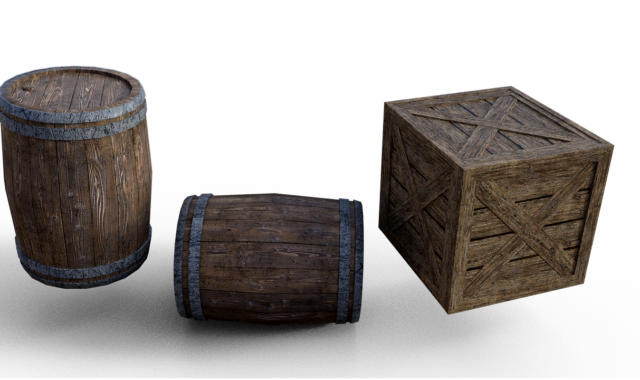
The outer container resists puncture, compression, dust, and handling damage. Options range from heavy corrugated cartons and telescoping art boxes to double-wall cartons, portfolio-style mailers, corrugated plastic cases, wooden crates, and reusable transit cases. The right choice depends on size, weight, value, route, carrier network, and whether the package will be handled by art handlers or ordinary parcel systems.
For more articles about protective packaging and material selection, see the packaging materials category.
Matching materials to artwork type
No single material list works for every artwork. A graphite drawing, a rolled poster, a glazed frame, and an impasto painting have different failure points. The table below summarizes common material choices and the main caution for each category.
| Artwork type | Useful packaging materials | Main caution |
|---|---|---|
| Unframed prints and drawings | Acid-free tissue, archival board, polyester film for stable media, rigid board sandwich | Avoid polyester sleeves for friable or torn items that may abrade or catch |
| Pastel, charcoal, chalk, or soft pencil | Sink mat, spacer, rigid support, acid-free tissue only if it will not drag across the surface | Do not allow any sheet or sleeve to rub the image surface |
| Framed works under acrylic or glass | Corner protectors, backing board, glazing protection film where appropriate, foam edge pads, rigid carton | Glazing can break or flex; keep pressure away from the center of the frame |
| Canvas paintings | Backing board, travel frame, face protection with spacing, polyethylene foam pads, crate or rigid carton | Do not press bubble wrap, rough paper, or unstable foam directly against paint |
| Rolled posters or works that can safely roll | Smooth barrier paper, wide-diameter tube, outer tube or box, end protection | Only roll items known to tolerate rolling; brittle, cracked, or thick media may be damaged |
| Small three-dimensional art objects | Polyethylene foam mounts, cavity packing, tissue or Tyvek barrier where suitable, rigid box | Support the strongest areas; do not load fragile projections, handles, or rims |
Materials to use carefully or avoid in direct contact
Many everyday packing products are useful only when they are kept away from the artwork surface. Newspaper, ordinary tissue, rough kraft paper, reused dirty cartons, pressure-sensitive tape, and low-grade foam can introduce staining, abrasion, adhesive residue, or pollutants. The Library of Congress emphasizes preventive handling and storage because repairing paper damage later is difficult and costly. That principle applies broadly: a cheap contact layer can create damage that is far more expensive than the correct material would have been.
- Bubble wrap: useful as a cushioning or void-fill layer, but not as a direct face wrap for delicate prints, paint, varnish, or soft media.
- Packing peanuts: poor for immobilizing valuable artwork because objects can migrate, settle, and press against the box wall. If used at all, they should be contained and reserved for low-risk void filling.
- Newspaper and printed paper: not suitable for contact with art because ink transfer, acidity, and surface dirt are common concerns.
- Pressure-sensitive tape: should never be applied to artwork. It should secure packaging materials to each other, not to the object.
- Unsealed wood or low-grade board: can release acids, dust, splinters, or volatile compounds. Use a barrier or a better material where contact is possible.
- Old foam: foam that is crumbling, sticky, yellowing, or powdery should be discarded, not reused around artwork.
The goal is not to remove all ordinary packaging from the process. It is to place each material in the right position. Bubble wrap outside a safe barrier and support layer may be helpful. Bubble wrap pressed directly into a painted surface creates a different risk.
Shipping, moving, and storage need different material choices
Short transit, parcel shipping, gallery handling, and long-term storage create different hazards. During shipping, impact and vibration are major concerns. The Canadian Conservation Institute describes vehicle vibration as a routine transit exposure and warns that movement inside packages can lead to abrasion, collision, loosening, and surface loss. The package should therefore restrain the artwork gently and prevent repeated internal movement. See also: BOX DESIGN.
For a local move handled by careful people, a rigid board sandwich, clean wrapping, corner protection, and controlled vertical placement may be enough for some framed works. For parcel shipping, stronger outer containers, thicker edge protection, cushioning on all sides, and a box-in-box method may be needed because the package may be dropped, stacked, or conveyed mechanically. For high-value works, custom crates and professional art handlers may be more appropriate than standard cartons.
Storage is different. Long-term storage favors chemically stable, clean, breathable or properly buffered materials, low dust, off-floor placement, and environmental control. The Canadian Conservation Institute advises keeping paintings above the floor to reduce exposure to dirt, dust, and possible water contact. It also recommends separator boards when paintings are temporarily stacked and cautions against overcrowding storage units. Packaging for storage should make retrieval safer, not harder; labels, separators, and handles can reduce unnecessary handling.
A practical material checklist before sealing the package
Before a package is closed, the handler should be able to explain why each layer is present. If a material has no function, it may add bulk without adding protection. If a material touches the art without being selected for that role, it may be the highest-risk part of the package.
- Identify the most fragile feature. It may be a corner, loose pastel surface, convex glazing, frame ornament, canvas edge, or protruding object part.
- Choose the contact layer first. Use clean, stable, non-abrasive material and avoid direct pressure on sensitive media.
- Add rigid support. Prevent bending, twisting, corner compression, and face contact.
- Cushion the supported object. Cushion around the support or frame, not against the fragile surface.
- Immobilize without crushing. After gentle movement, the object should not slide, rattle, or migrate inside the package.
- Protect edges and corners. Most handling damage starts at corners, frame edges, or exposed borders.
- Check the outer container. It should resist compression and puncture and leave enough space for cushioning.
- Plan unpacking. Use labels, tabs, and a logical sequence so the recipient does not cut into the artwork while opening the package.
A strong package should also be easy to understand. If the recipient has to guess where to cut, pull, or lift, the risk continues after the shipment arrives.
When to involve a conservator or specialist art shipper
Some artworks should not be treated as ordinary shipments. Conservator input is advisable when the object has flaking paint, powdery media, mold, water damage, cracked supports, brittle paper, active insect evidence, unstable frames, unusual materials, high monetary value, or irreplaceable cultural value. A specialist art shipper may also be justified when a work is oversized, heavy, glazed with glass, internationally shipped, or likely to pass through several handling networks.
This is not only a matter of cost. Standard packing advice assumes the artwork can tolerate some controlled handling. If the artwork itself is unstable, better materials alone may not solve the problem. The safest decision may be to stabilize the object, change the route, alter the orientation, build a custom crate, or avoid shipping until professional advice is available.
Frequently asked questions
Can bubble wrap touch artwork directly?
It should generally not touch delicate artwork surfaces directly. Bubble wrap can leave impressions, trap heat or moisture, and abrade or stick to vulnerable surfaces. Use a suitable barrier or support layer first, and keep bubble wrap in the cushioning layer.
Is glassine always the right first layer?
No. Glassine can be useful for short-term separation in some art packing situations, especially where a smooth, non-abrasive barrier is needed. It is not automatically suitable for every painting, friable drawing, tacky surface, or long-term storage need. Surface condition matters more than the name of the material.
What is the safest packaging for unframed paper art?
For stable paper works, a common approach is acid-free tissue or an appropriate polyester sleeve, plus rigid acid-free or archival board support. For friable media, torn paper, or brittle items, avoid sliding the work into tight sleeves and use supported tray or board methods that reduce abrasion.
Should framed art be stored flat or upright?
Many framed works are stored vertically with padding, separators, and secure support, but fragile or damaged works may require horizontal storage. Avoid direct floor contact, overcrowding, leaning at unstable angles, and stacking without rigid separators.
Do archival materials remove the need for climate control?
No. Archival materials reduce risks from direct contact and chemical instability, but they do not eliminate damage from humidity, heat, light, vibration, pests, or poor handling. Packaging and environment must work together.