Flexible packaging printing in 2026 means shorter runs, tighter compliance and cleaner design

What flexible packaging printing needs to solve in 2026
Flexible packaging printing is no longer a simple trade-off between attractive graphics and production efficiency. In 2026, the harder question is whether a printed pouch, sachet, wrapper or lidding film can support shorter runs, consistent color, food-contact safety, recycling claims and regional compliance at the same time.
Flexographic and gravure printing remain important for high-volume work. Digital printing is gaining ground where brands need faster launches, more SKUs or variable artwork. Public information from Smithers, the Flexible Packaging Association and the European Commission points in the same direction: print decisions now sit much closer to material design, sustainability documentation and supply-chain planning than they did a few years ago.
For readers tracking broader material and format changes, the Flexible Packaging section collects related updates on films, pouches and packaging trends.
Why print choices are becoming packaging decisions
Flexible packaging is built from films, foils, papers, coatings, adhesives, sealants and inks that must work as one structure. That makes printing different from a label applied to a rigid bottle. The artwork may be on the outside surface, buried inside a laminate, protected by a coating, or reverse printed on a transparent film before lamination. Each route affects scuff resistance, gloss, odor risk, migration controls, recyclability and shelf appearance.
The commercial pressure has also changed. Brands want more seasonal packs, more regional language versions, more private-label differentiation and faster promotional cycles. At the same time, retailers and regulators are asking for clearer recyclability claims, less excess material and better evidence that packaging design does not interfere with collection or recycling systems. In that environment, print is not a late-stage decoration step. It is part of the package specification.
Three practical questions now shape most flexible packaging printing decisions:
- How long is the run? High-volume repeat work usually favors flexo or gravure, while short runs and versioned artwork can make digital more attractive.
- Where will the pack be sold? Regional rules on food contact, recycling claims, extended producer responsibility and on-pack labels can change both artwork and material choices.
- What material structure is being used? Mono-material PE or PP structures, paper-based formats and barrier films each place different demands on ink adhesion, curing, drying and color control.
Flexo, gravure and digital printing each have a different role
No single printing process fits every flexible packaging job. The right choice depends on run length, substrate, image requirements, changeover frequency, downstream converting and compliance needs.
| Printing route | Where it fits well | Key limitations to manage |
|---|---|---|
| Flexographic printing | Common for films, bags, pouches, wrappers and rollstock where repeat volume and cost efficiency matter. | Plate costs, setup time and color matching discipline are important, especially when there are many small artwork versions. |
| Gravure printing | Strong for very long runs, fine image detail and repeatable premium graphics on film structures. | Cylinder cost and lead time can make it less flexible for frequent design changes or small batches. |
| Digital printing | Useful for short runs, fast launches, personalization, test markets and many SKU versions. | Ink compatibility, food-contact requirements, speed, substrate limits and finishing costs must be checked job by job. |
| Hybrid production | Combines conventional efficiency with digital variability or late-stage customization. | Workflow complexity increases, and color management must be tightly controlled across print units. |
Smithers reported in 2026 that digital printing is gaining ground across packaging segments, while analogue presses still dominate most packaging volume. That distinction matters. Digital is influential because it changes what brands can do with packaging, not because it replaces every conventional press. The more realistic picture is mixed production: flexo and gravure handle major volume, while digital and hybrid systems take on jobs where versioning, speed or inventory reduction create enough value.
For flexible packaging, the digital opportunity is closely tied to SKU proliferation. A snack brand may need different flavors, languages, store formats and campaign artwork. A nutraceutical or personal-care brand may need frequent label changes and smaller batches. Digital printing can reduce the penalty for those changes, but only if the full workflow is prepared, including prepress, finishing, lamination, pouch making and inspection.
Shorter runs raise the value of workflow control
Shorter runs do not automatically make production easier. They often shift the pressure from press speed to workflow speed. Artwork approval, file preparation, trapping, proofing, color matching, plate or cylinder decisions, ink preparation and job scheduling can consume more time than the actual print run if they are not standardized.
That is why automation is becoming a central issue in package printing. Public summaries of Smithers research on package printing to 2031 highlight press optimization, automation and the need to reduce dependence on scarce skilled labor. In flexible packaging, this does not only mean faster presses. It also means fewer manual touchpoints in prepress, more consistent recipe management, automated inspection and better data exchange between design, printing and converting stages.
For brand owners, the lesson is straightforward: a print method should not be judged only by unit cost. A slightly higher print cost can still be rational if it reduces obsolete inventory, speeds up market testing, avoids large minimum order quantities or prevents errors in regulated copy. Conversely, a low unit price can become expensive if every artwork change triggers delays, rework or unused stock.
Sustainability rules are changing the print brief
Sustainability pressure is one of the main reasons flexible packaging printing is becoming more technical. In Europe, Regulation (EU) 2025/40 on packaging and packaging waste entered into force on February 11, 2025, and its rules began applying on a phased basis from August 12, 2026, according to the European Commission. The regulation is not only about packaging waste. It also affects packaging minimization, recyclability, recycled content, labelling and certain substance restrictions.
For printed flexible packaging, the impact is practical. Artwork may need to carry sorting or material information. Claims such as recyclable, reusable or recycled content must be supported by the actual structure and by the rules in the market where the pack is sold. Decorative choices that once seemed harmless, such as heavy ink coverage, metallic effects, opaque coatings or incompatible labels, may need closer review when a package is being designed for collection and recycling.
The United States is also moving through state-level extended producer responsibility and packaging legislation, creating a more fragmented compliance landscape. California’s SB 54 framework, enacted in 2022, is one example of a broader shift toward producer responsibility for packaging. The details vary by state, but the direction is clear: packaging data, material declarations and end-of-life claims are becoming more important to commercial decisions. See also: BOX DESIGN.
For flexible packaging printing, sustainability does not mean every pack must look plain. It means the design team needs earlier answers to questions that were once handled late in the process:
- Will the ink system, coating or adhesive affect recyclability testing?
- Can the same graphic effect be achieved with less ink coverage or fewer special finishes?
- Does the artwork leave enough space for mandatory sorting or disposal information?
- Are food-contact and migration requirements documented for the final structure?
- Will a material or recycling claim still be accurate after lamination, pouch making and filling?
Food, healthcare and personal care keep quality expectations high
Flexible packaging demand is closely tied to food, beverage, healthcare, medical, pet care and personal-care categories. The Flexible Packaging Association has reported that the U.S. flexible packaging industry is a large multi-billion-dollar market, and trade coverage of its 2025 industry outlook identified food as the largest demand area, followed by medical and pharmaceutical uses. These applications explain why print quality cannot be separated from safety and functional performance.
Food and healthcare packs often need strong shelf impact, but they also demand controlled materials, traceability and risk management. Low-odor inks, curing control, migration testing, barrier performance and documentation can matter as much as color vibrancy. A pouch for dry snacks, a high-barrier coffee pack and a medical sterile barrier component may all be flexible packaging, but their print requirements are not interchangeable.
This is also why reverse printing remains important in many laminated flexible packs. By printing on the inside of a transparent film and then laminating, converters can protect graphics from abrasion while creating a glossy surface effect. The trade-off is that ink selection, adhesive compatibility and lamination quality become critical. Surface printing may be simpler for some structures, but it may need coatings or overprints to protect the graphic during distribution and use.
How to evaluate a flexible packaging printing project
A useful print brief should connect artwork, material, compliance and converting requirements before the job reaches the press. The following checklist can help avoid late changes that increase cost or delay launch.
- Define the pack structure first. Identify the film, paper, foil, coating, adhesive and sealant layers before finalizing print effects.
- Set the run and versioning plan. Estimate total volume, number of SKUs, language versions, promotional cycles and expected repeat orders.
- Choose the print route by total project cost. Include plates, cylinders, makeready, waste, inventory risk, lead time and finishing, not only the price per impression.
- Confirm regulatory markets. Check where the product will be sold and whether local rules affect claims, sorting labels, food-contact declarations or producer responsibility data.
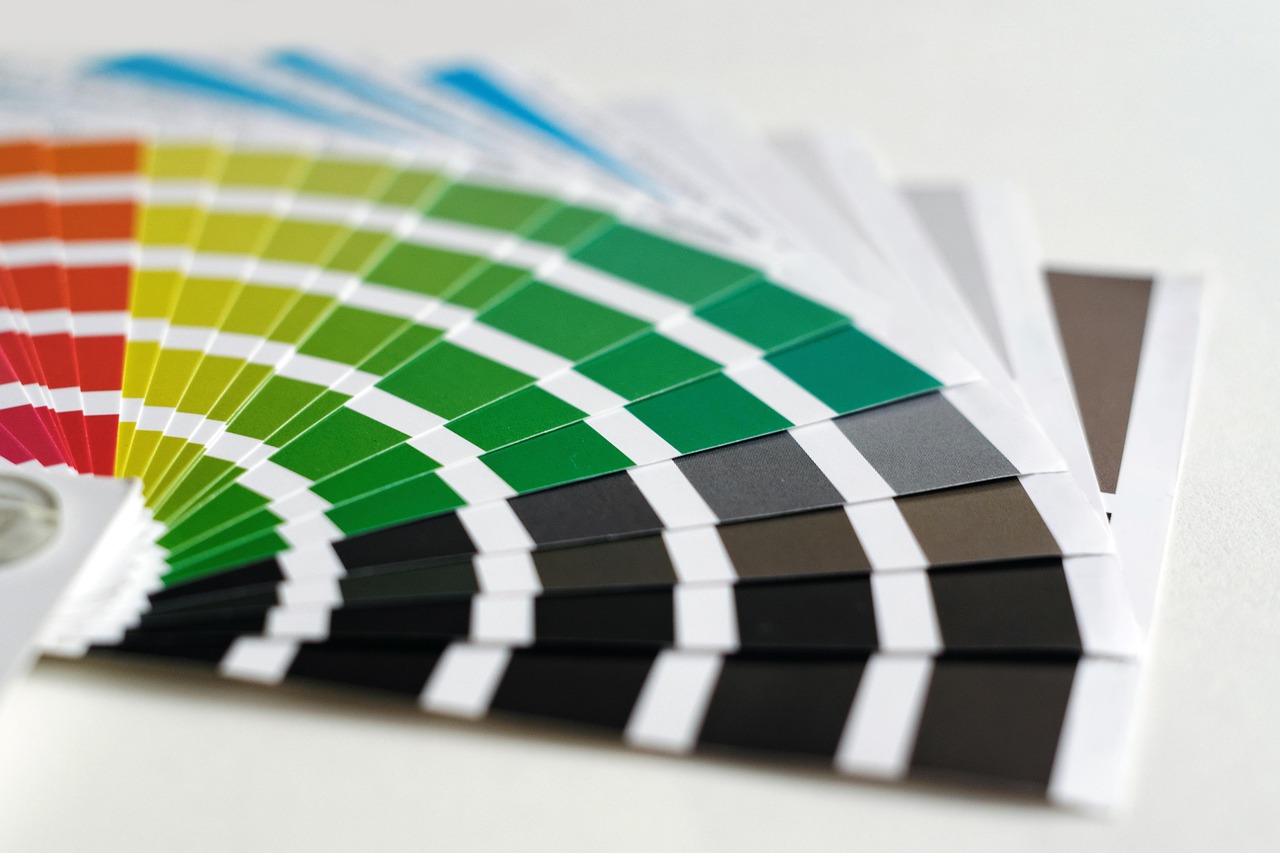
- Control color expectations. Use clear targets, approved proofs and measurable tolerances so repeat jobs do not depend on subjective visual judgment alone.
- Review recycling compatibility. Ask whether inks, coatings, adhesives, labels or dark colors could interfere with the intended recycling or sorting pathway.
- Test the final pack, not only the print sample. Lamination, filling, sealing, pasteurization, freezing, transport and shelf life can change how graphics perform.
The strongest projects bring packaging engineers, designers, compliance teams and printers into the discussion early. That is especially important when a brand wants a high-impact visual effect on a recyclable or downgauged structure. A design that looks simple on screen can become difficult if it requires heavy ink coverage, tight registration on a stretchable film or special finishes that slow the press.
What to watch next
Several developments are likely to shape flexible packaging printing beyond 2026. Digital printing will continue to expand where it solves real commercial problems such as short runs, late-stage customization and inventory reduction. Flexo will keep improving through better plates, faster changeovers, automated color control and more efficient drying. Gravure will remain relevant for demanding long-run graphics where its economics and quality still fit.
The bigger shift is that print will be judged by more than appearance. Buyers will increasingly ask whether the printed pack supports recyclability targets, lower material use, accurate claims and reliable compliance records. That does not reduce the importance of design. It makes design more demanding. The successful flexible pack will be the one where graphics, materials and end-of-life considerations are planned together rather than corrected after the artwork is approved.
Frequently asked questions
Is digital printing replacing flexographic printing in flexible packaging?
No. Digital printing is growing in flexible packaging, especially for short runs, multiple SKUs and fast launches, but flexographic printing remains a major production method for repeat volume. The more realistic trend is a mixed model in which converters use different processes for different job profiles.
Why does recyclability affect printing decisions?
Inks, coatings, adhesives, labels, pigments and decorative effects can influence how a package is sorted, washed, detected or reprocessed. A package should not make a recyclability claim only because its main film is technically recyclable; the complete printed and converted structure matters.
When is gravure still a strong option?
Gravure can still be a strong fit for very long runs, demanding image quality and stable repeat orders. Its main disadvantages are higher upfront cylinder cost and less flexibility when artwork changes frequently.
What should brand owners include in a print brief?
A print brief should include the pack structure, product contents, filling conditions, target markets, run length, SKU count, color standards, compliance requirements, sustainability claims and expected finishing steps. These details help the printer recommend a process that fits the full package, not just the artwork.