Digital camera buying guide for beginners and creators in 2026

How to choose the right digital camera
Start with the gap your phone does not cover. In 2026, the most practical options are a pocketable fixed-lens compact for everyday carry, a mirrorless camera for the best balance of image quality and future growth, or a more specialized camera for sports, wildlife, vlogging, travel or product work. Megapixels alone should not drive the decision. Compare sensor size, lens access, autofocus, stabilization, video limits, battery life, memory card requirements and the full cost of the system.
Industry data from CIPA shows renewed demand for built-in-lens cameras alongside the continued dominance of mirrorless systems. That does not point to one best camera for everyone. It points to the camera type that fits your subjects, shooting habits, upgrade plans and budget. You can also explore more in BUYING GUIDES.
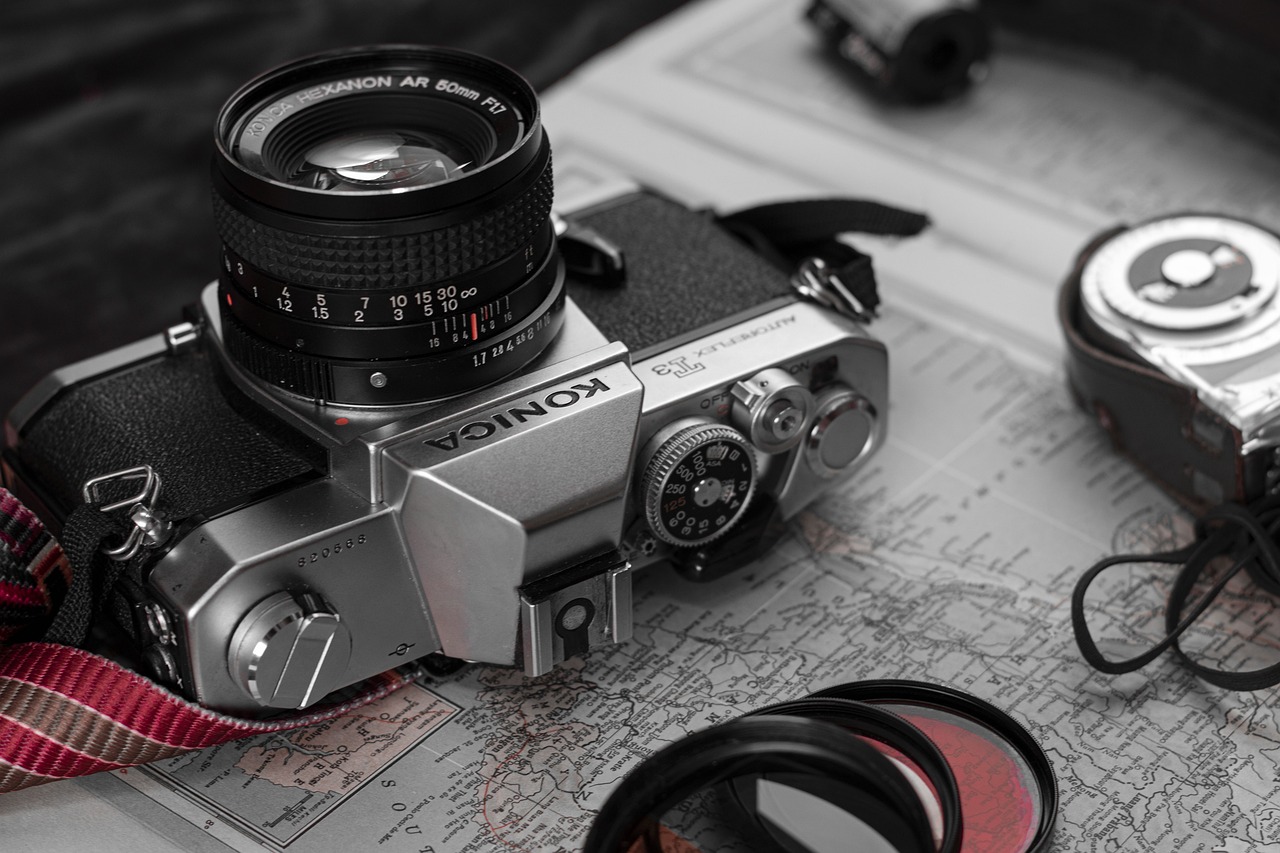
For more buying frameworks across consumer products and equipment, visit our buying guides.
Start with the job the camera must do
The fastest way to overspend is to shop by specification sheets before defining the job. A camera for family trips does not need the same lens system as one used for indoor sports. A vlogging setup should be judged differently from a landscape camera that spends most of its time on a tripod. Before comparing brands, write down your main subjects, how often you will carry the camera, where you shoot, whether you edit files, and whether you expect to buy more lenses later.
Everyday travel and family photography
For walking around cities, photographing children, or keeping a camera in a small bag, weight and readiness often matter more than maximum image quality. A premium compact with a one-inch, APS-C or similar large sensor can be more useful than a larger camera left at home. Look for reliable face and eye detection, quick startup, optical or sensor-shift stabilization, USB-C charging, and a lens range that starts wide enough for indoor scenes.
Learning photography
If you want to learn exposure, lenses and composition, a mirrorless camera with manual controls and interchangeable lenses is usually the most flexible route. A simple body with a kit zoom and one bright prime lens can teach more than an expensive body paired with the wrong lens. Prioritize a clear electronic viewfinder, a comfortable grip, accessible dials and a lens mount with affordable used and third-party options.
Video, streaming and creator work
Creators should look beyond maximum resolution. A practical video camera needs reliable autofocus during recording, clean audio input, a screen that faces forward, manageable overheating behavior, useful stabilization, and recording formats your computer can edit smoothly. If you shoot long interviews or events, check recording time limits, power delivery over USB-C, and whether the camera can operate while connected to external power.
Sports, wildlife and action
Fast subjects place heavy demands on autofocus tracking, burst speed, buffer depth and lens reach. A camera that advertises a high frames-per-second number may slow quickly if the buffer fills, or if that speed depends on electronic shutter compromises. Lens choice is just as important: a modest body with the right telephoto lens often beats a better body with too little reach.
Understand the main camera types
The camera market has changed. CIPA reported worldwide digital still camera shipments of 9,438,876 units for January to December 2025, up 11.2% year on year. Built-in-lens cameras rose 29.6% to 2,436,911 units, while interchangeable-lens cameras rose 5.9% to 7,001,965 units. Within interchangeable-lens cameras, mirrorless models reached 6,311,054 units, up 12.5%, while single-lens reflex models declined to 690,911 units. CIPA’s February 2026 outlook projected built-in-lens cameras to continue growing while interchangeable-lens camera shipments would be slightly lower for the year. For buyers, the message is straightforward: compact cameras are relevant again, but mirrorless remains the main system choice for long-term growth.
| Camera type | Best fit | Main advantage | Main limitation |
|---|---|---|---|
| Fixed-lens compact | Travel, family, street, pocket carry | Small size and simple operation | Lens cannot be changed |
| Bridge or superzoom | Casual wildlife, vacations, distant subjects | Very long zoom range in one body | Often uses a smaller sensor |
| Mirrorless camera | Learning, portraits, video, events, serious hobby use | Interchangeable lenses and modern autofocus | System cost grows with lenses |
| DSLR | Used-market buyers, optical viewfinder fans | Good value in some used kits | Fewer new models and slower system development |
| Action or 360 camera | Sports, mounting, immersive footage | Rugged design and unique perspectives | Not a general still-photo replacement |
Sensor, lens and stabilization matter more than headline megapixels
Megapixels describe file dimensions, not automatic image quality. For most buyers, a modern camera in the 20 to 26 megapixel range is already enough for large prints, cropping and online publishing. Higher resolution is useful for landscapes, studio work and heavy cropping, but it also increases file size, editing demands and storage needs. In low light, lens brightness, sensor size and stabilization often matter more than raw pixel count.
Sensor size affects depth of field, low-light performance and lens size. A one-inch sensor compact can be a meaningful step up from many phones while staying pocketable. Micro Four Thirds systems offer smaller lenses and strong stabilization, which makes them practical for travel and handheld video. APS-C cameras balance cost, image quality and lens size well for beginners and enthusiasts. Full-frame cameras offer more control over depth of field and high-ISO performance, but bodies and lenses are usually larger and more expensive.
The lens shapes perspective, background blur and working distance. A camera body usually becomes outdated faster than a good lens. For portraits, look for a bright prime with an equivalent 50mm to 85mm field of view. For travel, a compact standard zoom may be more useful than a heavy fast lens. For wildlife, lens reach and stabilization are essential. For product photos, close-focus ability, a tripod, lighting and controlled backgrounds often matter more than buying a flagship camera body.
Check autofocus, video and storage before buying
Autofocus is one of the clearest differences between older bargain cameras and current models. Look for subject detection that matches your use: human eye detection for portraits, animal detection for pets and wildlife, and vehicle or action tracking for motorsports. Reviews can help, but store testing is also useful. Point the camera at moving subjects, switch between near and far objects, and see whether the focus box behaves predictably.
For video, read the fine print. A camera may offer 4K recording only with a crop, reduced autofocus performance, short recording duration or significant heat limits. If you need slow motion, check whether image quality drops at higher frame rates. If you plan to color grade, look for 10-bit recording and log profiles, while remembering that these features require more editing skill and faster storage. See also: BOX DESIGN.
Memory cards are easy to overlook. The SD Association defines several card families and speed classes, including SD, SDHC, SDXC and SDUC capacity categories, plus Speed Class, UHS Speed Class, Video Speed Class and SD Express Speed Class systems. For buyers, the practical rule is simple: match the card to the camera manual and the video mode you actually use. A basic still-photo camera may be fine with a modest SDXC card, while high-bitrate 4K, 6K or 8K recording may require V60, V90, CFexpress or another faster format. Buying a card that is faster than the camera can use may waste money, but buying one that is too slow can cause recording failures.
Do not ignore battery, ports and handling
Battery ratings are useful for comparison, but they are not a perfect prediction of a full shooting day. CIPA’s DC-002 standard was created to make digital camera battery consumption easier to compare across catalogs and manuals. In real use, burst shooting, video recording, cold weather, wireless transfer, screen brightness and long periods with the camera powered on can change results. If you travel or shoot events, budget for at least one spare battery or confirm that the camera supports dependable USB-C power operation.
Ports now affect long-term convenience. The European Commission’s common charger rules have applied to digital cameras within scope since 28 December 2024, with USB-C as the common charging port. Even outside the European Union, this has influenced global product design and buyer expectations. USB-C charging or power delivery is valuable for travel, but still check whether the camera charges only when off, whether it can run from external power, and whether it supports fast charging with standard chargers.
Handling is personal and should not be decided by specification tables. A camera that feels awkward will be used less. Check grip depth, button placement, menu clarity, viewfinder quality, screen articulation and whether the camera balances with the lens you plan to use. If you wear glasses, test the viewfinder. If you shoot low angles, check the screen movement. If you work outdoors, weather sealing may be useful, but it usually depends on both the body and the lens being sealed.
Plan the total cost of ownership
The advertised camera price is only part of the purchase. A realistic budget includes lenses, memory cards, spare batteries, a charger, a protective case, a strap, a card reader, cleaning tools, filters, software and possibly lighting or audio equipment. For mirrorless systems, lenses are usually the largest long-term cost. A lower-priced body in a strong lens ecosystem may be smarter than a higher-spec body in a mount where the lenses you need are expensive or scarce.
Used and refurbished cameras can be excellent value, especially for beginners. However, check shutter count where relevant, battery health, sensor condition, port wear, screen hinges, lens fungus, autofocus consistency and return policy. Used DSLRs can be affordable, but make sure you are comfortable buying into a system with limited new development. Used mirrorless cameras may offer a better balance if you want modern autofocus and video features.
A practical digital camera buying checklist
- Define the main use: travel, family, portraits, wildlife, video, product photos or learning.
- Choose the camera type: compact for carry, mirrorless for growth, bridge for reach, action camera for mounting.
- Check the lens path: make sure the system has affordable lenses you will actually buy.
- Evaluate autofocus: match subject detection and tracking to your real subjects.
- Review video limits: look for crop, heat, recording time, audio input and stabilization details.
- Match storage: buy the card type and speed class recommended for your chosen recording modes.
- Test handling: grip, controls, screen and viewfinder should feel natural.
- Budget accessories: include batteries, cards, case, reader and cleaning tools.
- Avoid overbuying: spend on lenses, lighting or travel if a higher body tier will not change your results.
Frequently asked questions
How many megapixels do I need in a digital camera?
Most beginners and creators do not need extreme resolution. Around 20 to 26 megapixels is enough for common prints, websites, social media and moderate cropping. Choose higher resolution if you regularly print very large, crop wildlife images heavily, or do studio and landscape work where detail is the main goal.
Is a mirrorless camera better than a DSLR?
For most new buyers, mirrorless is the safer long-term choice because current development, autofocus improvements and lens releases are concentrated there. A DSLR can still make excellent images and may be good value used, but it is best for buyers who understand the lens system and do not need the latest video or subject-tracking features.
Should I buy a compact camera instead of using my phone?
Buy a compact camera if you want optical zoom, a larger sensor, real controls, a viewfinder, better ergonomics or a shooting experience separate from phone notifications. If you only need quick snapshots for messaging, a recent phone may be enough. The compact camera makes sense when it solves a clear problem your phone does not.
What memory card should I buy?
Start with the camera manual, then match the card to your heaviest shooting mode. For still photos and casual 4K, many cameras work well with SDXC cards in the recommended UHS or Video Speed Class. For high-bitrate professional video, the camera may require V60, V90 or CFexpress media. Do not assume the most expensive card is automatically useful in every camera.
What is the best first camera for learning photography?
The best first camera is usually a comfortable mirrorless body with a standard zoom, manual controls, a viewfinder and access to affordable lenses. If your budget is limited, buy a modest body and reserve money for one good lens, memory cards and a spare battery. The camera you carry and practice with will teach you more than a flagship model that stretches your budget too far.