Camera buying guide for choosing the right type, sensor and lens system
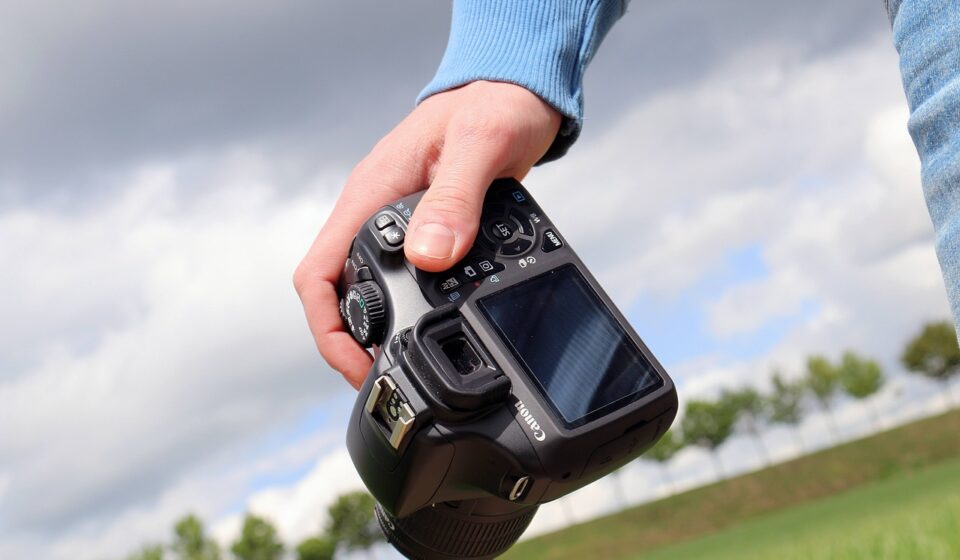
Start with the kind of photos and videos you will actually make
A practical camera buying guide should start with the work the camera needs to do, not with megapixels or brand names. A travel buyer, a parent photographing indoor sports, a studio product shooter and a video creator all need different balances of size, lens choice, autofocus, low-light quality and audio control. For most new buyers who want room to grow, a mirrorless interchangeable-lens camera is the most flexible path because it combines modern autofocus, strong video tools and access to expanding lens systems. A compact camera still makes sense when pocketability matters more than future upgrades. A DSLR can be good value used, but it is no longer where most new development is happening.
The practical rule is simple: choose the smallest camera system that can reliably handle your most demanding subject. Then leave enough of the budget for lenses, memory cards, batteries and protection, not just the camera body.
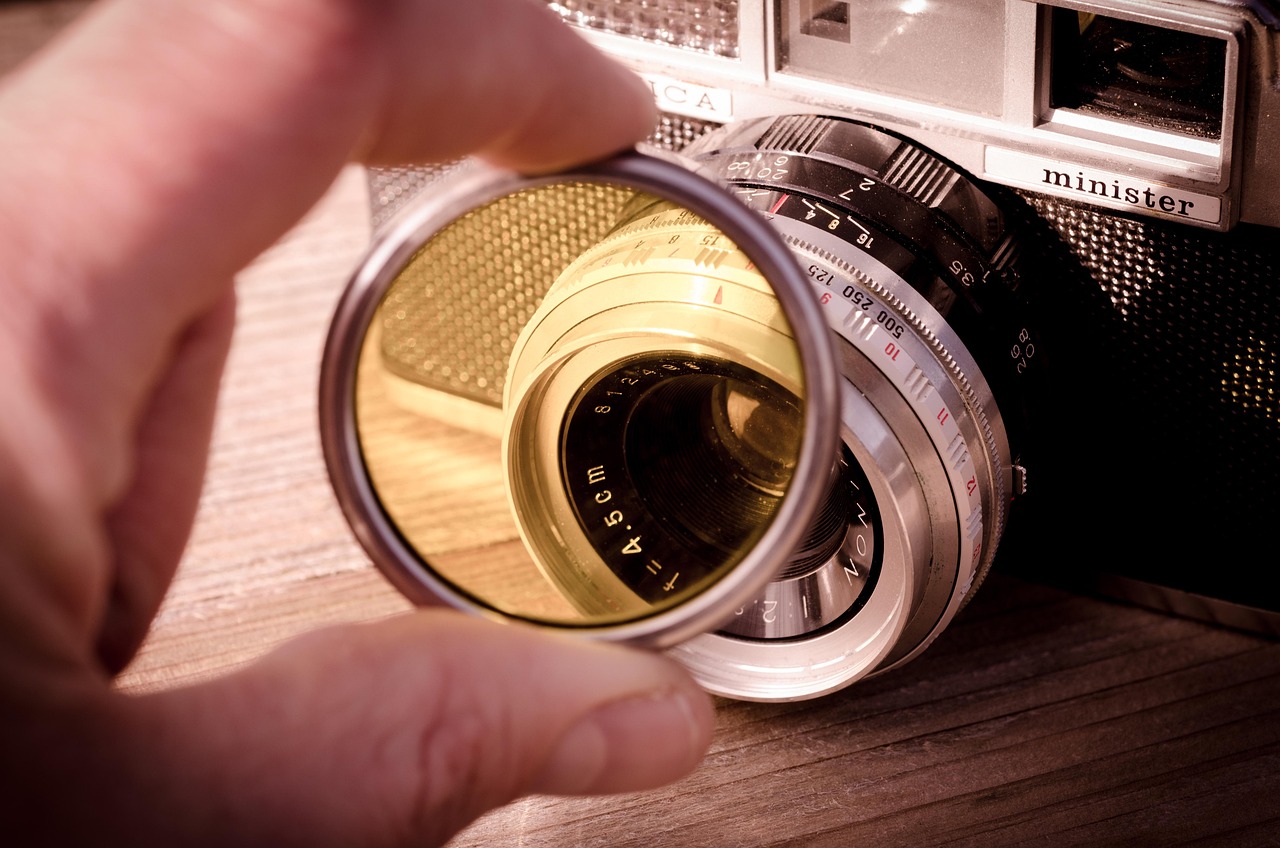
Know the main camera types before comparing specs
Camera categories overlap, but the differences still matter when you decide where to spend money. DPReview’s 2025 overview of camera types describes compact, DSLR and mirrorless cameras as offering different balances of convenience, image quality and creative control. That distinction remains the most useful starting point for buyers.
| Camera type | Strengths | Limitations | Best fit |
|---|---|---|---|
| Compact camera | Small size, built-in lens, simple carry | Limited upgrades, fewer new models than in past years | Travel, casual shooting, pocketable everyday use |
| DSLR | Optical viewfinder, many used lenses, often strong battery life | Larger bodies, less new innovation, weaker video convenience on many models | Budget still photography, used gear buyers, optical viewfinder fans |
| Mirrorless | Modern autofocus, electronic preview, strong video features, expanding lens systems | Battery life can be lower than DSLR, good lenses can be expensive | Most new buyers, hybrid photo and video, growing long-term systems |
Market data also explains why many buyers now compare mirrorless and other lens-based systems first. The Camera & Imaging Products Association reported 9,438,876 total digital camera shipments in 2025 and forecast 9.59 million for 2026. Its February 26, 2026 outlook also projected 6.82 million interchangeable-lens camera shipments for 2026 and 2.77 million built-in lens camera shipments. Forecasts can change, but the data shows that dedicated cameras remain active in both fixed-lens and interchangeable-lens categories.
The buying implication is not that every shopper needs an interchangeable-lens camera. It is that lens systems matter if you expect your skills, subjects or assignments to grow. If you only want a better vacation camera than a phone, a compact may be enough. If you want portraits, wildlife, sports, macro, interiors or video work, the ability to change lenses quickly becomes more important than the body alone.
Choose sensor size by trade-off, not by status
Sensor size affects image quality, low-light performance, background blur, body size, lens size and price. Larger sensors usually gather more light and make shallow depth of field easier, but they also tend to increase system cost and lens weight. DPReview’s interchangeable-lens buying advice identifies sensor size as one of the biggest factors in potential image quality, while also noting that larger-sensor systems can become bigger and more expensive once lenses are included.
- Micro Four Thirds is useful for travel, hiking and long telephoto reach in a smaller kit. It can be a smart choice when portability matters more than maximum background blur.
- APS-C is a strong middle ground for many buyers. It usually offers better low-light flexibility than smaller formats while keeping bodies and lenses more manageable than full-frame systems.
- Full-frame is attractive for portraits, events, landscapes and low-light work, especially when paired with high-quality lenses. The trade-off is higher system cost and more weight.
- One-inch and smaller sensors are common in many compact cameras. They can deliver strong results in good light, but they offer less flexibility in low light and less background separation than larger formats.
Do not judge a camera only by megapixels. A high-resolution sensor can be valuable for cropping, printing and commercial detail, but it also creates larger files and can reveal lens weaknesses. For many buyers, 20 to 30 megapixels is already enough for web publishing, family prints, travel albums and general business use. Higher resolution is most useful when you have a clear reason for it, such as large prints, product detail, architecture or heavy cropping.
Evaluate the lens system before you fall in love with a body
The camera body gets attention, but the lens system determines what the camera can become. Before buying, check whether the mount offers the lenses you are likely to need in the next two to five years. Look at prices for a normal zoom, a fast prime, a wide-angle lens, a telephoto lens and any specialist lens you may need for macro, wildlife or architecture.
Lens mount compatibility is not universal. Most camera makers use proprietary mounts, and third-party lens support varies by system. This is why two camera bodies with similar specifications can lead to very different long-term costs. A lower-priced body may not be a bargain if the lenses you need are rare, oversized or expensive.
For a first kit, avoid buying too many lenses at once. A sensible starter path is one versatile zoom plus one lens that solves a specific creative problem. For example, a travel buyer might start with a compact standard zoom and add a small bright prime for indoor scenes. A portrait buyer might choose a body with eye-detection autofocus and pair it with an affordable short telephoto prime. A sports or wildlife buyer should check telephoto lens prices before choosing a system, because long lenses often cost more than the camera body.
Accessories are part of the system as well. A weather-resistant bag, lens cloth, spare battery, fast memory card and protective storage can make the kit easier to use and safer to carry. For more practical purchase planning across categories, see the Buying Guides archive.
Match autofocus, stabilization and speed to moving subjects
Modern autofocus has changed how people buy cameras. Many mirrorless models can identify and track human eyes, faces, animals, birds, vehicles or other subjects, although real performance varies by model and lens. The key question is not whether the marketing page lists subject detection. It is whether the camera can keep your actual subject sharp in the lighting and movement you expect.
- Family and travel need reliable face and eye detection, quick startup and simple controls.
- Sports and wildlife need subject tracking, a usable burst rate, a deep buffer and telephoto lens support.
- Events need low-light autofocus, dual card slots on higher-risk paid work and dependable battery planning.
- Street photography benefits from compact size, silent shooting options and responsive controls.
Stabilization should also match the use case. In-body image stabilization helps reduce hand shake with many lenses and can be valuable for low-light stills and handheld video. Lens-based stabilization can be especially useful with telephoto lenses. Some systems combine body and lens stabilization. CIPA stabilization ratings offer a standardized reference point, but real results depend on focal length, shooting technique and subject movement.
Fast burst shooting is useful only when the autofocus system, buffer and card speed can support it. A camera that advertises a very high electronic-shutter frame rate may still have rolling-shutter distortion, reduced bit depth, viewfinder blackout or a small buffer. If action is your priority, read complete reviews and sample tests instead of relying only on the headline frames-per-second number.
For video, check audio and handling before resolution
Video buyers often start with resolution, but 4K, 6K or 8K labels do not tell the whole story. DPReview’s video buying guidance emphasizes dependable autofocus, audio connections, stabilization and exposure tools as practical features for creators. A camera that records sharp video but lacks a microphone input may be frustrating for interviews, education content, product demos or travel narration. See also: BOX DESIGN.
For hybrid creators, the most useful video checklist includes:
- a microphone input for better sound;
- a headphone jack or reliable audio monitoring on more serious work;
- autofocus that does not hunt visibly during recording;
- in-body or lens stabilization for handheld footage;
- a fully articulating or tilting screen that fits your shooting style;
- recording limits and heat performance that match your typical session length;
- separate photo and video settings so you do not constantly rebuild exposure and focus setups.
Log profiles, raw video, waveform displays and open-gate recording can be powerful, but they are not automatically necessary. They matter most if you edit seriously, color grade footage or deliver multiple aspect ratios. For many buyers, dependable autofocus, clean audio and comfortable handling will improve real projects more than a headline resolution upgrade.
Build a realistic budget for the full kit
The advertised camera body price is only part of the purchase. A realistic budget includes lens needs, storage, batteries, a charger, strap, bag, cleaning tools and software or backup storage. If you travel or shoot paid work, protective cases and duplicate memory cards become more important. If you shoot video, microphones, lights, neutral density filters and a tripod or gimbal can add significant cost.
A balanced first-camera budget might allocate roughly half to two-thirds to the body and starter lens, then reserve the rest for accessories and the next lens. This is editorial guidance, not a fixed rule. A wildlife buyer may need to spend more on glass immediately. A learner may be better served by a modest body and a good prime lens. A video creator may need to reserve more for audio and support gear.
Used gear can be a good way to save money, especially for lenses, but it needs careful inspection. Check shutter count where available, sensor condition, lens fungus or haze, battery health, card-slot function and return policy. For older camera bodies, confirm that batteries, firmware, repair options and compatible lenses are still practical. A cheap body is not a good deal if it locks you into a dead-end system or requires hard-to-find accessories.
A practical step-by-step camera buying checklist
- Define your primary subject. Choose one main use first: travel, portraits, sports, wildlife, video, product work or everyday family photography.
- Pick the camera type. Choose compact for convenience, mirrorless for most new interchangeable-lens needs, or DSLR mainly for used value and optical viewfinder preference.
- Select sensor size. Balance low-light quality and background blur against lens size, cost and carry weight.
- Research the lens mount. Price the lenses you may need later, not only the kit lens included today.
- Check autofocus and stabilization. Match them to your subject movement and handheld shooting habits.
- For video, inspect audio and heat limits. Do not buy based only on resolution.
- Handle the camera if possible. Grip, menu logic, viewfinder comfort and button layout affect whether you will actually use it.
- Reserve money for the kit. Batteries, cards, bags and lenses are not optional afterthoughts.
The best choice is rarely the most expensive body. It is the camera system that fits your subjects, your carry habits and your future lens needs with the fewest compromises you will regret.
Frequently asked questions
Is mirrorless better than DSLR for a first camera?
For most new buyers, mirrorless is the safer long-term choice because current autofocus, video features and new lens development are concentrated there. A DSLR can still be a good value if you prefer an optical viewfinder, mainly shoot stills and find a strong used-lens ecosystem at the right price.
How many megapixels do I need?
Most beginners and general users do not need extreme resolution. Around 20 to 30 megapixels is enough for common prints, websites, social media, travel and family photography. Higher resolution helps with large prints, cropping and detailed commercial work, but it also increases file sizes and demands better lenses.
Should I buy the camera body or lens first?
Choose the system first, then think of the lens and body together. The body controls handling, autofocus and video tools, but lenses shape field of view, background blur, low-light ability and long-term creative options. A modest body with the right lens often produces better results than an expensive body with the wrong lens.
Is a compact camera still worth buying?
Yes, if you value small size, a built-in lens and simple carry. A premium compact can be excellent for travel or everyday photography. However, if you want to change lenses, shoot fast action or build a system over time, a mirrorless interchangeable-lens camera usually offers more room to grow.
What should video creators prioritize in a camera?
Prioritize reliable autofocus, a microphone input, stabilization, screen movement, manageable heat behavior and separate video settings. Resolution matters, but poor audio, shaky footage or visible focus hunting will hurt a video more than choosing 4K instead of a higher headline resolution.