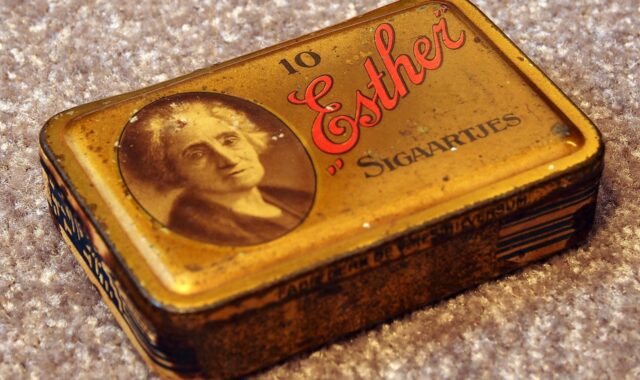
Product box design that balances shelf impact, shipping, and sustainability
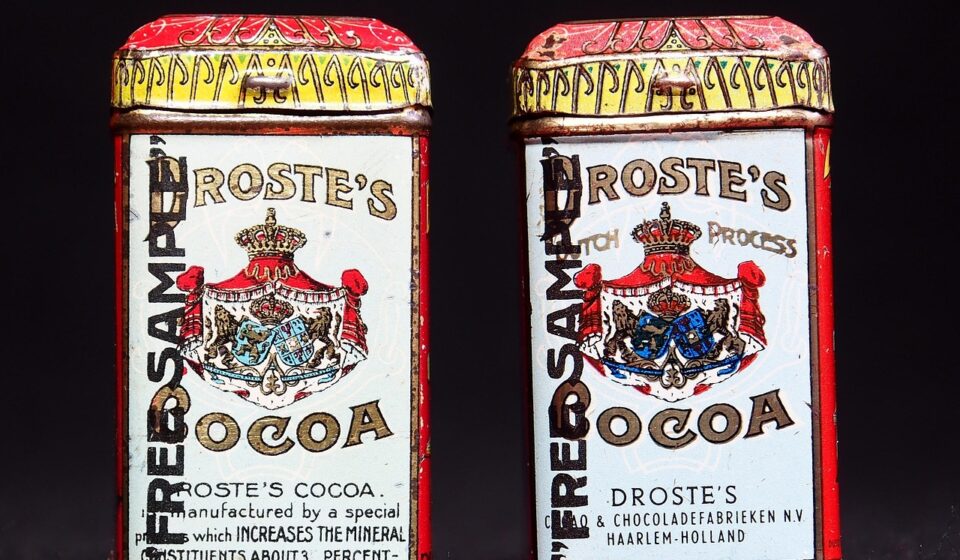
What product box design has to solve now
Effective product box design is not a graphic layout placed on cardboard. It brings together structure, material selection, print, labeling, shipping performance, shelf presence, and end-of-life communication. The box has to protect the product, make the offer easy to understand, fit the sales channel, and avoid claims the brand cannot support.
For ecommerce, the same box may need to survive parcel handling and still create a clear unboxing experience. For retail, it must be readable within seconds and feel appropriate for the category. Good designs usually start with practical constraints, then use visual design to make those decisions look deliberate.
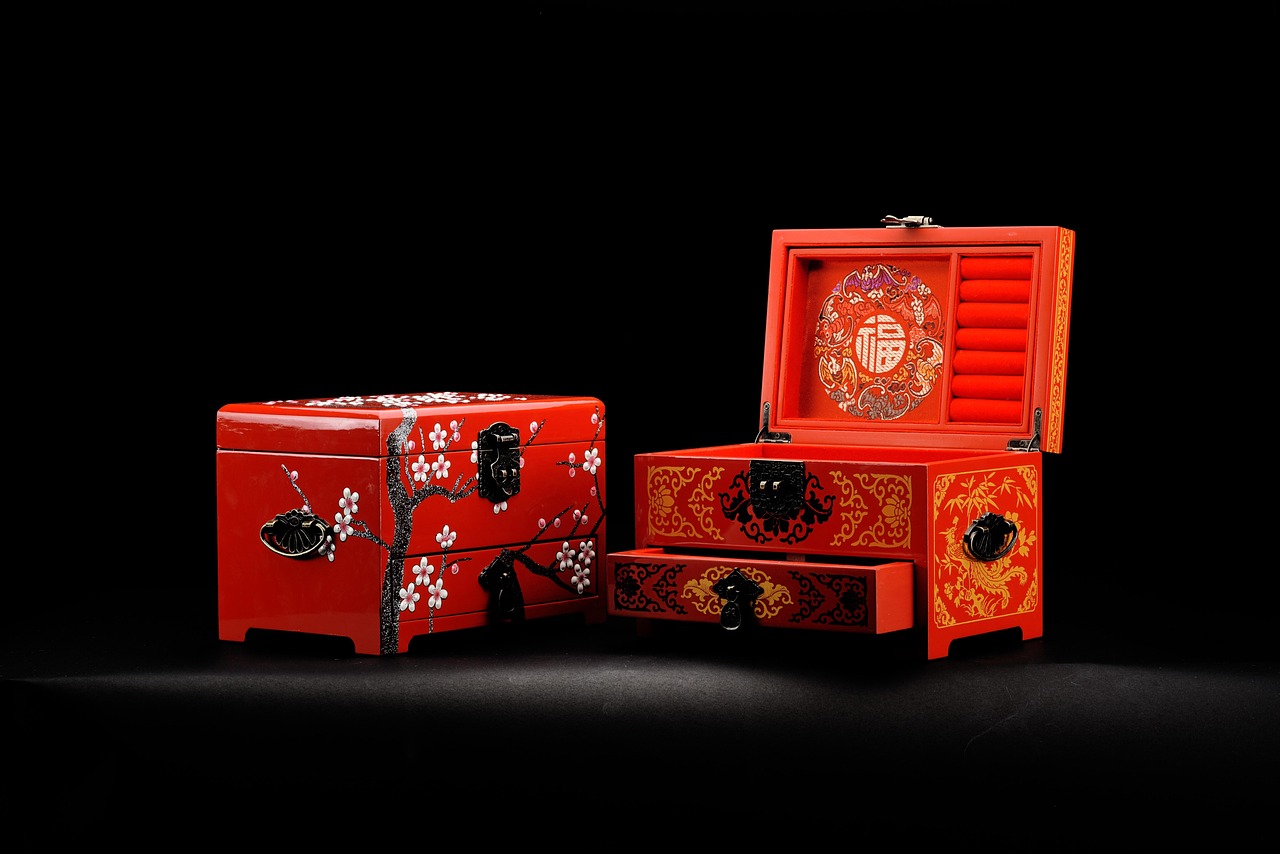
This article outlines a working approach for brands, designers, and packaging teams preparing a product box design brief before production. For more packaging layout and structural ideas, visit the Box Design section.
Start with the product, channel, and handling risk
The first design decision is not color, typography, or finish. It is the job the box must perform. A fragile glass item, a cosmetic jar, a food supplement carton, a toy, and a small electronic accessory all create different design limits. The designer needs to understand product weight, dimensions, surface sensitivity, leakage risk, stacking needs, regulatory information, and where the customer will see the box: in a store, inside a shipping carton, or as the final delivery package.
Map the product journey
A simple journey map helps prevent attractive but impractical designs. List each step: packing line, warehouse storage, palletizing, retailer distribution, shelf display, parcel shipping, customer opening, return handling, and disposal. If a box ships directly to consumers, edge crush resistance, closure security, void fill, scuffing, and label placement matter more than they would for a purely shelf-facing folding carton. If it sits in retail, front-panel clarity, barcode placement, tamper evidence, and shelf-blocking consistency become more important.
Set tolerances before artwork
Artwork should be built around structural tolerances, not forced onto them later. Die-lines, fold lines, glue areas, bleed, safe zones, window placement, and varnish-free zones all affect whether a design can be produced reliably. A premium pattern that crosses a fold may look elegant in a flat mockup but misalign after cutting and folding. Small typography may look acceptable on a large screen and fail on textured kraft stock. The design brief should state minimum font sizes, required warnings, barcode quiet zones, color targets, and finish limits before visual exploration begins.
Choose a box structure before designing the graphics
Structure influences cost, protection, sustainability, and the customer experience. A folding carton can be efficient for lightweight retail goods, while a corrugated mailer may be better for ecommerce. A rigid box may support a premium position, but it uses more material and usually adds cost. A sleeve can refresh the appearance or create versioning without changing the inner tray, but it also adds a material layer that needs a clear purpose.
| Box type | Typical use | Design advantage | Watch point |
|---|---|---|---|
| Folding carton | Cosmetics, supplements, small consumer goods | Efficient print area and retail readability | Limited crush protection without inserts |
| Corrugated mailer | Direct-to-consumer products and kits | Better parcel durability and branded unboxing | May need careful closure and return design |
| Rigid box | Premium gifts, electronics, luxury goods | Strong presentation and perceived value | Higher material use, shipping volume, and cost |
| Sleeve and tray | Food, cosmetics, promotional packs | Flexible graphics and easy variant updates | Added layer should be justified by function |
| Display carton | Retail-ready shelf or counter display | Combines transport and merchandising roles | Needs testing for opening, stability, and shelf fit |
The best structure is the simplest one that meets the performance requirement. Extra panels, magnetic closures, windows, inserts, or specialty coatings should have a clear reason, such as protection, compliance, opening sequence, display, or brand recognition. If a feature only makes the box feel more elaborate, it may increase production risk without improving the customer experience.
Build the visual system for quick recognition
Product boxes are often read under pressure. A shopper may compare several similar items on a shelf, while an ecommerce buyer may only glance at the package after purchase. The visual system should make the product type, brand, variant, quantity, and key differentiator easy to find. In this setting, disciplined hierarchy matters more than decoration.
Prioritize the front panel
The front panel should answer three questions quickly: what is it, who is it from, and why should the buyer care? The product name and category need to be legible at the expected viewing distance. Variant cues such as flavor, size, color, scent, or model should be more than a small line of text if customers need to distinguish options quickly. Color coding can help, but it should be checked for contrast, accessibility, and consistency across the range.
Use copy that can be supported
Packaging copy becomes risky when it tries to do too much. Claims such as recyclable, compostable, plastic-free, natural, premium, clinically tested, child-safe, or carbon neutral need different levels of evidence depending on the product and market. The U.S. Federal Trade Commission’s Green Guides warn against broad, unqualified environmental claims, including general eco-friendly statements. They also say recyclable claims may need qualification when recycling facilities are not available to at least 60 percent of consumers or communities where the product is sold. For packaging teams, the practical lesson is straightforward: make claims specific, supportable, and limited to what the box material and disposal pathway can actually deliver.
Design for sustainability without overclaiming
Sustainable packaging design is increasingly tied to regulation, supply chain capability, and consumer trust. It should not be treated as a green color palette or a single recycling icon. A better approach is to reduce unnecessary material, choose materials that match actual recovery systems, avoid hard-to-separate combinations where possible, and communicate disposal instructions clearly.
International standards can help frame this work. ISO 18601:2013 describes general requirements for using a family of standards related to packaging and the environment, including optimization, reuse, material recycling, energy recovery, and organic recycling. That does not mean every product box must follow one universal design. It does mean environmental decisions should be considered as part of a system, not as isolated marketing language.
Regulation is also becoming more specific. In the European Union, Regulation (EU) 2025/40 on packaging and packaging waste began applying on August 12, 2026. The European Commission describes the rules as targeting less packaging waste, more reusable or recoverable packaging, and recycled-content requirements for certain plastic packaging. Brands selling into multiple markets should avoid treating sustainability copy as a decorative design element. The claim, material specification, label, and market destination need to be reviewed together. See also: BUYING GUIDES.
- Reduce empty space where it does not protect the product or support display.
- Use mono-material or easy-to-separate components when performance allows.
- Be specific about recycled content, recyclability, compostability, or reuse.
- Check whether the disposal instruction is realistic in the selling market.
- Avoid broad phrases such as green, earth-friendly, or zero impact unless qualified and substantiated.
Make ecommerce and unboxing practical
For ecommerce, the product box may be the first physical brand moment after checkout. The opening sequence matters, but it should not compromise protection or create frustration. A practical unboxing design considers how the customer identifies the product, opens the closure, removes the item, finds instructions, and handles returns or recycling.
Good ecommerce box design usually favors strong closures, clear orientation, durable print, and a controlled reveal. Inside printing can add personality without overloading the exterior. Inserts should hold the product securely without becoming unnecessarily complex. If returns are common in the category, the design may need a resealable closure or an obvious place for a return label. If the product is a gift, the outer shipping condition becomes part of the perceived value.
Packaging teams should also consider production and automation. PMMI, the Association for Packaging and Processing Technologies, reported that U.S. packaging machinery shipments grew in 2023, reflecting continued investment in packaging operations. For designers, the important point is not the machinery number itself, but the implication: boxes that run smoothly on packing lines, labeling systems, and fulfillment equipment have an advantage over designs that work only as prototypes.
Production checks before approval
Before a product box design moves from concept to print, the team should review it as a production object. This step catches many issues that mockups hide: weak contrast, panel misalignment, incorrect barcode placement, coating conflicts, unreadable legal copy, fragile windows, oversized inserts, and inefficient shipping dimensions.
| Check | Why it matters | Who should review it |
|---|---|---|
| Die-line and safe zones | Prevents important content from being cut, folded, or glued | Structural designer and printer |
| Material and finish | Affects color, scuffing, recyclability, and perceived quality | Brand team, supplier, sustainability lead |
| Barcode and required text | Supports scanning, compliance, and retail acceptance | Operations, regulatory, retailer contact |
| Transit and drop testing | Confirms whether the box protects the product in real handling | Packaging engineer and fulfillment team |
| Claim review | Reduces risk from unsupported environmental or performance claims | Legal, compliance, or qualified reviewer |
Physical samples are essential. A digital rendering cannot show board stiffness, folding memory, ink absorption, coating feel, closure resistance, or how a customer’s hand interacts with the pack. Even a short pilot run can reveal whether the design is repeatable at production speed.
A practical brief for product box design
A strong brief gives the designer enough constraints to solve the real problem. It should include product dimensions, weight, fragility, sales channels, target market, required information, brand assets, sustainability goals, shipping method, budget range, production quantity, and launch timing. It should also clarify which objective matters most: lower material use, stronger shelf blocking, premium feel, faster packing, better damage reduction, easier recycling communication, or a more memorable unboxing experience.
The brief should not demand every advantage at once. A rigid magnetic box, low unit cost, minimal material, curbside recyclability, luxury finish, small shipping footprint, and fast automated packing may not all fit together. The design process becomes more productive when trade-offs are named early. Product box design is strongest when the final result looks simple because the difficult decisions have already been made.
Frequently asked questions
What makes a product box design effective?
An effective product box design protects the item, communicates the offer quickly, fits the sales channel, supports production, and uses claims that can be verified. Visual appeal matters, but it should work with structure, materials, and handling requirements.
Should the box structure or graphics come first?
The structure should usually come first. Dimensions, folds, closures, inserts, and material affect what the artwork can do. Once the die-line and production limits are clear, the graphic design can use the available panels more intelligently.
How can a box look sustainable without making risky claims?
Use less material where possible, choose materials that match real recycling or recovery systems, and write specific disposal or content claims. Avoid broad environmental language unless it is qualified and supported by evidence for the market where the product is sold.
Is premium packaging always better?
No. Premium packaging is useful when it supports price position, gifting, product protection, or brand experience. It can be wasteful or inefficient if it adds weight, complexity, or material without a clear customer or operational benefit.