Suit box design for apparel brands that need protection, presentation and shipping efficiency
What good suit box design has to achieve
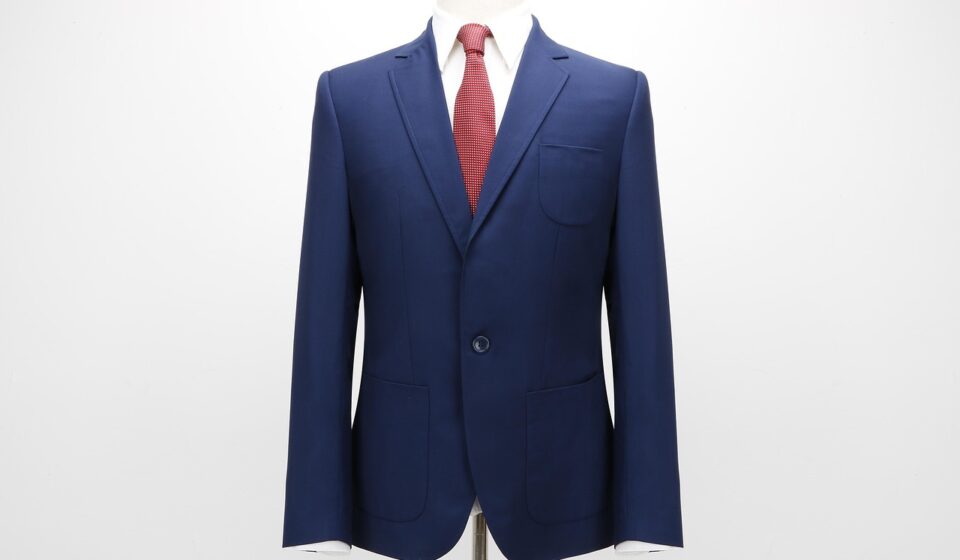
Effective suit box design has to do more than make formalwear look premium. A suit box must protect a shaped, often high-value garment from crushing, sharp creases, moisture exposure, scuffing and rough handling, while presenting the jacket and trousers in a controlled way. For ecommerce and omnichannel apparel brands, the same box also has to manage shipping volume, leave a practical area for carrier labels, support fast packing and avoid unnecessary material use.
The strongest projects start with the suit in its final folded and wrapped condition, not with a generic box size or a decorative concept. Graphics, paper finish and opening style all matter, but they should follow the structural brief: garment protection, brand experience, operational fit and responsible material use.
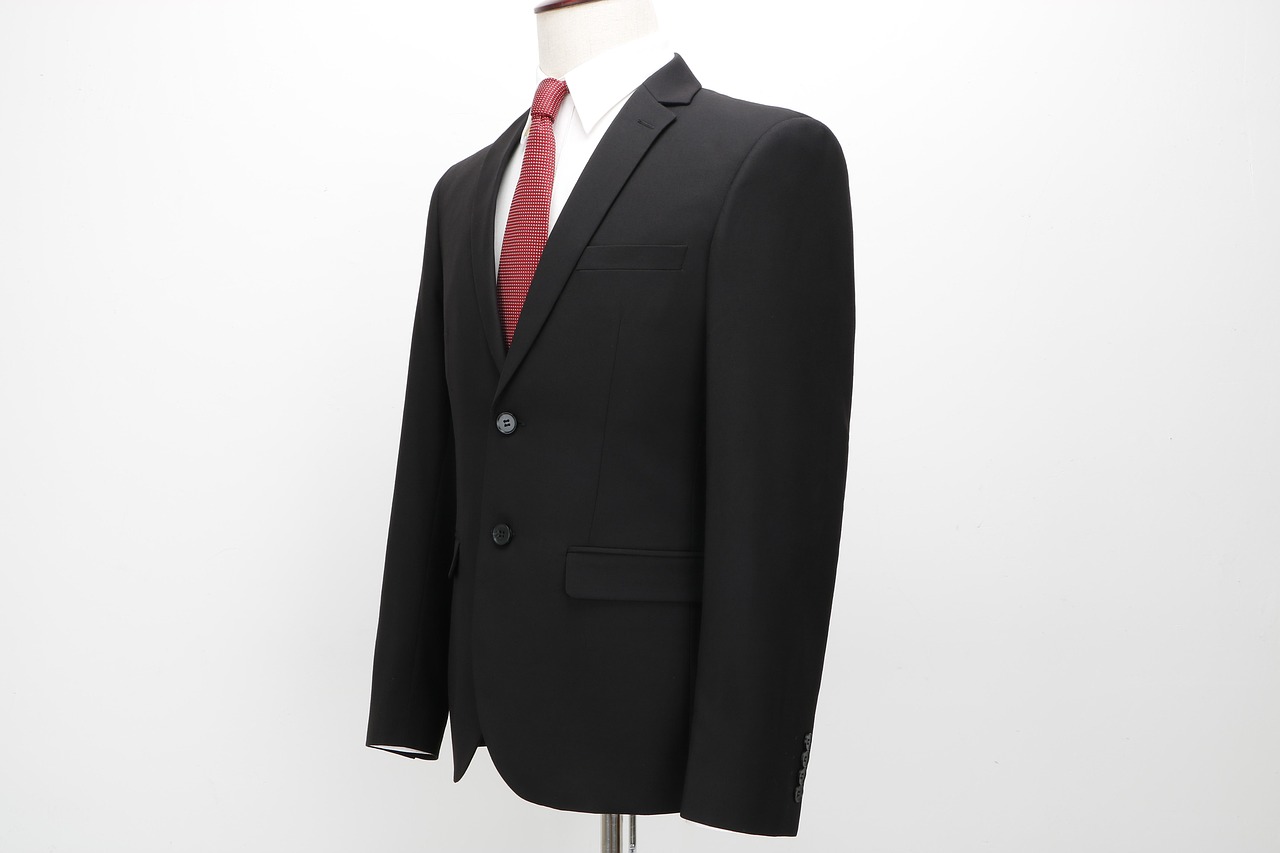
This guide focuses on practical decisions for suit packaging boxes used by menswear brands, tailors, formalwear retailers, rental businesses and online apparel sellers. It does not assume one structure is right for every brand. A wedding suit sold in a boutique, a made-to-measure blazer shipped to a customer and a rental tuxedo returned after an event each place different demands on the package.
Choose the box structure before choosing the artwork
The first decision in a suit box project is the structure. Many packaging problems start when a brand chooses an attractive format that does not match the garment, shipping method or packing workflow. A rigid presentation box can feel premium, but it may need an outer shipper. A corrugated garment mailer can be efficient, but it may look less luxurious unless the print, opening experience and interior presentation are handled carefully.
Rigid two-piece suit box
A rigid lid-and-base box is a common choice for premium suits, gift sets and formalwear presentation. It creates a strong retail impression and offers enough flat surface for refined branding. The trade-off is shipping efficiency. Rigid boxes do not collapse flat, take more storage space and are usually heavier than folding cartons or corrugated mailers. If the box will be shipped directly to customers, it may require an outer carton unless the exterior surface is designed to tolerate labels, abrasion and transit marks.
Hinged or magnetic closure box
A hinged rigid box with a magnetic or tucked closure can create a controlled reveal and a reusable feel. It suits higher-priced tailoring, corporate gifting and limited-edition apparel drops. Designers should be careful with magnets, plastic ribbon handles and laminated finishes if recyclability or easy material separation is part of the brand message. The closure also needs to remain secure after repeated opening, especially when the box may be used for returns.
Corrugated garment mailer
A corrugated mailer or garment shipper is often more practical for ecommerce. It can be right-sized around a folded suit, accepts shipping labels and may be strong enough to move through parcel networks without a second box if it meets the required handling tests. It is usually less formal than a rigid box, but strong print design, a clean tear strip, tissue wrap and a useful interior message can make the experience feel intentional rather than purely functional.
Drawer-style box
A drawer box can feel premium and distinctive, especially for accessories, shirts or suit sets with smaller components. For a full suit, however, designers should check whether the sliding action drags against tissue, catches on the garment or requires too much clearance. In many cases, this format is better suited to showroom presentation than high-volume parcel shipping.
| Box type | Best use | Main advantage | Main limitation |
|---|---|---|---|
| Rigid lid-and-base | Luxury retail, gifting, made-to-measure suits | Premium presentation and strong shelf presence | Higher storage volume and possible need for outer shipping carton |
| Hinged rigid box | Formalwear sets and reusable packaging | Controlled opening experience | Closures and mixed materials may complicate recycling |
| Corrugated mailer | Ecommerce and direct-to-consumer shipping | Right-sizing, label area and transport efficiency | Needs thoughtful interior design to feel premium |
| Drawer box | Retail display and accessory-led sets | Distinctive reveal and organized presentation | Can be less efficient for bulky folded suits |
Size the box around the packed suit, not the product name
A suit box should be built around the actual packed profile of the garment. That means measuring the jacket and trousers after folding, tissue wrapping and adding any shirt, hanger, dust bag, return insert or accessory pouch. It also means allowing realistic clearance for packing variation. Designing only from the suit size, such as 40R or 42L, is not enough because fabric weight, shoulder construction, lapel shape and fold method all change the final packed height.
Right-sizing matters because parcel carriers and ecommerce platforms often consider dimensional weight when a package occupies more space than its actual weight suggests. FedEx dimensional-weight guidance, for example, explains that package volume can affect billed weight. Shopify packaging guidance also reminds merchants that listed box dimensions may refer to internal dimensions, while carriers and fulfillment systems often require outside measurements. For suit boxes, this difference can be meaningful because a slightly deeper box may create a noticeably larger parcel volume.
A simple design exercise shows the impact. A box measuring 22 x 15 x 4 inches has a volume of 1,320 cubic inches. A box measuring 24 x 16 x 6 inches has a volume of 2,304 cubic inches. The second box may look only slightly larger on a table, but it uses far more shipping space. If the extra depth is not needed to protect the suit, the design is adding cost, board consumption and warehouse volume without improving the customer experience.
The goal is not to make the box as small as possible. Over-compression can create deep wrinkles, stress the closure, bow the panels and slow down packing. A better target is controlled clearance: enough room for the garment to sit naturally, but not enough room for it to slide, collapse or arrive looking neglected.
Use materials that match the protection requirement
Material choice should follow the product and channel. A suit sold in-store may need refined presentation board and a reusable feel. A suit shipped by parcel may need edge crush resistance, corner protection and a surface that tolerates labels and handling. A rental suit package may need repeat-use durability, clear return instructions and stronger closures.
For rigid boxes, designers typically evaluate board thickness, wrap paper, corner quality, glue strength and surface finish. A thicker board can improve perceived value and stacking strength, but it also increases weight and material use. Samples should be checked for lid fit, corner cracking, warping and smooth opening after storage in changing humidity.
For corrugated suit boxes, flute type, board grade and construction style matter. A shallow mailer may be efficient for a neatly folded jacket and trousers, while a deeper garment shipper may be needed for heavier wool, structured shoulders or multiple garments. The design should avoid pressure points at the shoulders, lapels and trouser crease. If a box is intended to ship without an outer carton, it needs enough panel strength, secure locking tabs and a label zone that does not cover important branding or instructions.
Surface finishes should also be chosen with use in mind. Matte lamination can look refined but may show scuffs. Soft-touch coatings feel premium but can mark during transit. Foil stamping and embossing can support luxury positioning, but large decorative areas may crack on folds if the substrate and process are not tested. A finish that looks damaged on arrival weakens the brand impression, even if the garment inside is unharmed.
Design the interior as part of the garment system
The interior of a suit box is where protection and presentation meet. A plain empty box can allow the garment to shift, while an overbuilt interior can increase cost and make recycling harder. The right solution depends on how the suit is folded and what the customer should see first.
- Tissue wrap: Helps reduce surface friction and gives a clean reveal, but it should not be used to hide poor folding or excessive void space.
- Belly band: Keeps the folded suit organized and can carry size, collection or care information without heavy printing on the box itself.
- Card insert: A shaped paperboard insert can stabilize a folded jacket or accessories, but it should be easy for the customer to remove.
- Dust bag: Useful for premium suits and long-term storage, especially when the box may not be kept.
- Return insert: Important for ecommerce and rental packaging because it reduces confusion and helps the same box come back in better condition.
Interior messaging should be short and useful. Care instructions, alteration notes, return steps and recycling guidance usually serve the customer better than a long brand story printed inside the lid. If the suit is expensive or event-related, clarity matters because customers may open the box close to the date they need the garment.
Branding should feel premium without making the box harder to use
Suit box branding works best when it reflects the garment category: controlled, confident and precise. The package does not need to be loud to feel valuable. Restrained typography, consistent spacing, tactile paper and a well-proportioned logo often communicate tailoring better than oversized graphics. See also: BUYING GUIDES.
For premium menswear, common design directions include deep neutral colors, textured paper, blind embossing, metallic details used sparingly and structured interior layouts. For younger direct-to-consumer brands, a cleaner corrugated mailer with one strong color, a clear opening tab and a printed interior may feel more current and less wasteful. For rental or returns-based businesses, the brand system must also make the package easy to reopen, reseal and identify in fulfillment.
Designers should reserve practical zones before placing artwork. A shippable suit box needs space for carrier labels, barcodes, return labels and handling marks. If a marketplace program such as Amazon Ships in Product Packaging is being considered, the exterior package must work as the shipping container and may need to meet specific size, labeling and test expectations. For suits, brands should weigh that benefit against privacy, scuffing and the risk that a premium box arrives with transit marks.
Make sustainability claims specific and supportable
Sustainability is now part of packaging design, but broad claims can create risk if they are not specific. The Federal Trade Commission’s Green Guides in the United States have long warned marketers to avoid environmental claims that are unclear or not properly qualified. For suit boxes, this means a phrase such as “eco-friendly packaging” is weaker than a precise statement such as “made with recycled paperboard” or “box and paper wrap are recyclable where facilities exist,” provided the claim is true for the actual materials and markets.
Forest Stewardship Council label guidance distinguishes between FSC 100%, FSC Mix and FSC Recycled claims. If a brand wants to use an FSC label on suit packaging, it should confirm chain-of-custody requirements with the supplier and avoid treating certification as a decorative icon that can be added at the end of the artwork process.
The biggest practical sustainability improvement is often right-sizing. A box that uses less board, ships with less empty space and still protects the garment can reduce material use without asking the customer to accept a poor experience. Designers should also review mixed-material elements such as magnets, plastic windows, synthetic ribbons, foam inserts and heavy laminates. These may support a luxury look, but they can make separation and recycling less straightforward.
A practical brief for a suit box design project
Before asking a supplier for a dieline or visual mockup, prepare a short design brief. This reduces revisions and helps the packaging partner recommend a structure that fits the real use case.
- Define the channel: Retail display, ecommerce shipping, rental return, wholesale delivery or gift presentation.
- Measure the packed garment: Record length, width, height and weight after folding, wrapping and adding inserts.
- Set the protection goal: Identify where damage is most likely, such as shoulder compression, lapel creasing, moisture or corner crushing.
- Choose the opening experience: Decide whether the customer should see tissue, a dust bag, a message card or the garment immediately.
- Reserve operational space: Leave room for labels, barcodes, return instructions and warehouse handling.
- Specify material preferences: Include paperboard, corrugated, recycled content, certification goals and finish restrictions.
- Request physical samples: Check folding, packing time, closure strength, stacking and appearance after handling.
For more packaging ideas across structures and categories, browse the BOX DESIGN section.
Common mistakes to avoid
The most common mistake in suit box design is starting with a luxury visual reference and forcing the garment to fit it. A second mistake is oversizing the box to avoid wrinkles, which can increase shipping volume and still allow the suit to move during transit. A third is treating sustainability as a graphic message rather than a material and logistics decision.
Another frequent issue is ignoring the return journey. If the customer may return or exchange the suit, the box should be easy to reopen without tearing, simple to reseal and clear about what should go back inside. This is especially important for formalwear rental, where packaging condition affects both operations and the next customer’s experience.
Finally, brands should avoid approving only a flat artwork proof. A suit box is a three-dimensional system. Review a white sample, a printed sample and a packed sample before production. Test how the box looks when stacked, labeled, opened, repacked and photographed. The best design is the one that still works after the ideal showroom moment has passed.
Frequently asked questions
What is the best box type for a suit?
There is no single best type. A rigid lid-and-base box works well for premium retail and gifting, while a corrugated garment mailer is often better for ecommerce shipping. The right choice depends on whether the box is mainly for presentation, parcel transit, returns or reuse.
How much extra space should a suit box have?
The box should allow the folded and wrapped suit to sit without compression, but it should not have so much empty space that the garment slides. Measure the suit after final folding and wrapping, then test a physical sample with the real garment, tissue, inserts and closure.
Can a suit box be shipped without an outer carton?
It can be, but only if the box is designed and tested as a shipping container. It needs enough strength, secure closure, label space and surface durability. Premium rigid boxes often need an outer shipper if the brand wants the presentation box to arrive clean and unmarked.
How can a suit box reduce wrinkles?
Wrinkle reduction depends on fold method, controlled clearance, interior stabilization and avoiding heavy pressure on structured areas such as shoulders and lapels. Tissue, a belly band or a light insert can help, but they cannot compensate for a box that is too shallow or poorly sized.
What should be checked before production?
Check outside dimensions, packed weight, closure strength, print durability, stacking behavior, label placement, opening experience, material claims and packing time. A production-ready suit box should be judged as packaging, presentation and fulfillment equipment at the same time.