Shoe box design for retail, e-commerce, and sustainable packaging
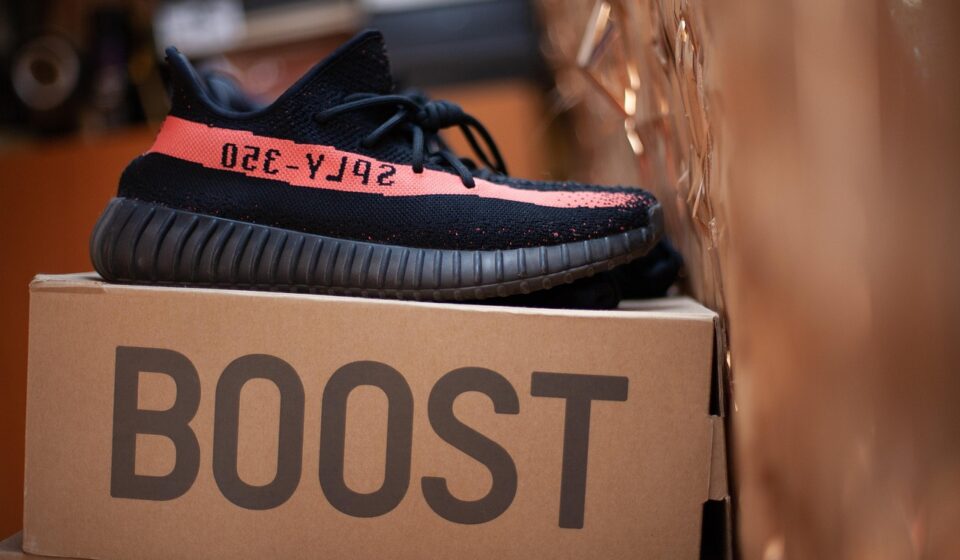
What a good shoe box design needs to do
Shoe box design is no longer just a graphics task. A good footwear box has to protect the product, support retail display, accept warehouse and carrier labels, survive the intended route to market, and communicate brand value without adding avoidable packaging waste. The strongest projects usually settle the structure, size range, material, and channel requirements before the team chooses color, typography, or finishing.
For footwear brands selling through stores and online marketplaces, the practical answer is often a right-sized paperboard or corrugated solution with clear side labeling, easy opening, return-friendly construction, and environmental claims that can be supported. This guide focuses on design decisions that affect performance in real packaging operations, including retail handling, e-commerce delivery, recyclability expectations, and packaging rules relevant to footwear packaging in 2026.
Start with structure before graphics
The first decision in shoe box design is not where the logo goes. It is the box format. Footwear packaging has to manage product shape, weight, rubbing, moisture exposure, stacking pressure, picking operations, and returns. A clean lid graphic will not fix a structure that crushes in transit or wastes space on a pallet.
Most footwear boxes use one of several familiar formats. A two-piece lid-and-base box is common in retail because it opens easily and gives the lid a broad branding surface. A drawer-style box can feel more premium, but it may use more material and take longer to pack. A tuck-end folding carton can work for lightweight footwear, although it may not provide enough stiffness for heavier shoes. Corrugated mailer-style boxes become more relevant when the shoe box may also need to act as the shipping container.
Right-sizing is one of the most important structural choices. There is no universal shoe box dimension that suits every product. Running shoes, sandals, boots, children’s shoes, and high heels put pressure on different areas, including the toe, heel counter, and upper. A useful design brief should define the full size range, the heaviest product, the most damage-prone finish, and the expected stacking height. Oversized boxes increase fiber use, shipping volume, and movement inside the pack. Undersized boxes can deform footwear and contribute to returns.
Packaging engineers usually ask three protection questions early: can the box resist compression during storage, can it keep the pair separated enough to reduce scuffing, and can it tolerate the handling route from factory to customer? For retail-only distribution, warehouse stacking may be the main concern. For direct-to-consumer distribution, drops, vibration, edge impacts, and rain exposure often become more important.
Build brand value through retail and unboxing details
A shoe box is often the first branded item a customer handles after purchase. In stores, it also has a working role: staff need to identify size, color, style code, width, and barcode quickly. The visual system therefore has to balance shelf impact with operational clarity.
The lid is usually the best place for the primary brand mark or campaign graphic. The short side panel should carry the information most often read on a stockroom shelf. The long side panel can support secondary branding, product line identification, or a simple color system. If a brand uses seasonal artwork, the base template should still keep label zones consistent so logistics teams do not lose efficiency.
Inside the box, the unboxing experience can be improved without adding decoration for its own sake. Tissue paper, a printed inside lid, a care card, or a return instruction insert may add value when each item has a clear function. Every extra component should still be reviewed for cost, packing speed, recyclability, and customer usefulness. Decorative fillers, plastic windows, magnets, and mixed-material ribbons can create a premium look, but they may complicate recovery after use.
Good retail shoe box design also considers photography, storage, and resale behavior. Many customers keep shoes in the original box, and resale platforms often depend on accurate box labels. Clear side labeling, durable print, and a consistent style-code zone make the packaging more useful beyond the first sale.
Make shoe boxes ready for e-commerce
E-commerce has changed the role of the shoe box. A package that performs well on a retail shelf may not survive parcel delivery without an outer carton. At the same time, retailers and marketplaces are trying to reduce unnecessary overboxing. The design challenge is practical: the package should feel branded to the customer, but it must also be strong and discreet enough for shipping where that route is required.
Programs such as Amazon’s Ships in Product Packaging have made this issue more visible. The general principle is that qualifying products can ship in their own packaging without an additional outer box, provided the pack meets durability, safety, and handling requirements. Not every footwear box needs to be designed this way, but e-commerce brands should decide early whether the primary shoe box is only a product container or may also become a shipping container.
For parcel-ready footwear packaging, consider these design features:
- Stronger corners and edges: Shoes may be relatively light, but boxes often fail at corners during drops and conveyor handling.
- Secure closure: A loose lid-and-base format may need bands, locking tabs, paper tape, or an outer sleeve for shipping.
- Water resistance without over-lamination: A coating may help during delivery, but heavy plastic lamination can affect recyclability claims.
- Return-friendly opening: Customers should be able to open the pack without destroying it if returns are expected.
- Privacy and theft considerations: Highly branded shipping boxes can create a premium experience but may reveal the product category during doorstep delivery.
Transport testing should be built into the development schedule, not added after artwork approval. ISTA procedures and ASTM distribution testing are commonly referenced in the packaging industry to evaluate how packaged products perform under expected shipping hazards. The appropriate method depends on weight, route, carrier, and whether the box ships alone or inside a master carton.
Choose materials and sustainability claims carefully
Footwear brands often describe paper-based shoe boxes as sustainable, but the claim needs to be precise. A box may be made from recycled content, certified fiber, virgin paperboard, corrugated board, or a mix of components. None of these choices is automatically the most sustainable option in every situation. The better question is whether the box uses the right amount of material, protects the product, can be collected in the target market, and carries claims that are accurate.
For paper and board packaging, common choices include solid bleached sulfate for a clean white print surface, coated recycled board for cost-effective retail cartons, kraft board for a natural appearance, and corrugated board for stronger shipping performance. The design team should ask suppliers for board grade, recycled-content information, fiber certification status, coating details, and recyclability or repulpability information where relevant.
Certification labels also require care. The Forest Stewardship Council explains that FSC labels indicate verified sourcing or recycled input according to its system, but a label should only be used when the product and supply chain meet the program requirements. In practice, designers should reserve a compliant label zone only after the sourcing route is confirmed.
In the United States, the Federal Trade Commission’s Green Guides remain an important reference for environmental marketing claims. The guidance emphasizes that claims such as recyclable, recycled content, compostable, or biodegradable should be truthful, specific, and supported by competent evidence. It also indicates that broad recyclable claims should be qualified when recycling access is not available to a substantial majority of consumers or communities where the product is sold. For shoe box design, this means artwork should avoid vague phrases such as eco-friendly packaging unless the brand can explain exactly what benefit is being claimed. See also: BUYING GUIDES.
Regulation is also moving. In the European Union, Regulation (EU) 2025/40 on packaging and packaging waste entered into force on February 11, 2025, and began applying in phases from August 12, 2026. The regulation increases attention on packaging minimization, recyclability, labeling, and waste prevention. In the United States, several state-level extended producer responsibility programs for packaging are developing or already active, with producer obligations varying by state. Footwear companies selling across markets should treat packaging compliance as a design input, not a final legal check.
Compare common shoe box design choices
The best design depends on the product position, distribution channel, and recovery goals. The comparison below summarizes practical trade-offs that packaging teams often face.
| Design choice | Best fit | Main advantage | Watch-out |
|---|---|---|---|
| Two-piece lid and base | Retail footwear and standard size runs | Familiar, easy to open, strong branding surface | May need an outer carton or extra closure for parcel shipping |
| Drawer-style box | Premium sneakers, collaborations, gift packaging | Strong unboxing effect and reusable feel | Often uses more material and may slow packing |
| Corrugated mailer shoe box | Direct-to-consumer footwear | Better shipping strength and potential overbox reduction | Needs careful graphic design to avoid a purely industrial look |
| Kraft board with one or two colors | Value, outdoor, casual, or sustainability-led lines | Lower-ink visual style and natural material signal | Kraft surfaces can reduce color brightness and fine-detail contrast |
| Laminated premium board | High-end retail presentation | Smooth finish, stronger scuff resistance, premium touch | Plastic films and mixed finishes may complicate recycling claims |
This is where many shoe box projects become overdesigned. A premium product does not always need a heavy box, and a sustainability message does not always require a brown kraft appearance. The design should support the product’s price point and channel reality. A lightweight sneaker sold mostly online may benefit more from a clean corrugated shipper with sharp typography than from a rigid gift-style box placed inside another carton.
Match printing and finishing to the job
Printing should be selected according to run size, color requirements, substrate, and brand consistency. Offset printing can deliver high-quality graphics on coated paperboard. Flexographic printing is widely used on corrugated and kraft surfaces. Digital printing can be useful for short runs, personalization, samples, and seasonal tests, although unit economics vary by quantity and finish.
Finishing is where shoe box design often gains or loses discipline. Embossing, debossing, spot varnish, foil, soft-touch coatings, and matte lamination can create a premium impression. Each finish also adds cost, production complexity, and sometimes end-of-life concerns. If the brand intends to make recyclability claims, coatings and decorative layers should be checked before approval. If the design will move through parcel networks, the finish should also be tested for rub resistance, label adhesion, and scuffing.
Typography deserves special attention. Shoe boxes are small compared with many retail packages, but they carry dense information. Size, colorway, SKU, barcode, manufacturing data, country-of-origin details, and care symbols can crowd the side panel. Use a hierarchy that separates consumer-facing information from warehouse data. Avoid placing critical information on flaps that may be covered by tape, shipping labels, or return stickers.
For more packaging format ideas, readers can explore the BOX DESIGN category for related structural and visual packaging topics.
A practical development checklist
A useful shoe box brief should be specific enough for designers, packaging suppliers, sourcing teams, and compliance reviewers to work from the same assumptions. Before approving a design, confirm the following points:
- Product fit: Test the smallest, largest, and heaviest sizes in the range, including tissue, inserts, or accessories.
- Channel route: Define whether the box is for retail shelf, wholesale cartons, marketplace fulfillment, direct shipping, or all of these.
- Stacking and compression: Check warehouse and container stacking assumptions, not just the appearance of a single sample.
- Opening and returns: Confirm whether customers can open and reclose the box without destroying key panels.
- Label zones: Reserve space for size labels, barcodes, warehouse labels, return labels, and any required recycling or sourcing marks.
- Material evidence: Request documentation for recycled content, certified fiber, coatings, and recyclability support before artwork claims are locked.
- Print durability: Test rub, scuffing, color consistency, and barcode readability after normal handling.
- Regulatory review: Check environmental claims and market-specific packaging obligations before mass production.
The most reliable process is to prototype early and test several versions. A design may look excellent in a rendering but fail because the lid is too loose, the box bows under load, or the barcode sits where a warehouse sticker covers it. Physical samples reveal these issues before tooling and print plates make changes expensive.
Frequently asked questions
What is the most common shoe box design?
The most common format is still a two-piece lid-and-base paperboard box because it is familiar, easy to open, stackable, and effective for retail presentation. Direct-to-consumer brands may choose corrugated mailer-style structures when the box must perform better during parcel shipping.
Should a shoe box be made from recycled paper?
Recycled paperboard can be a good option, but it should be judged alongside strength, print quality, availability, cost, and recovery in the target market. A recycled-content claim should state what it applies to and be supported by supplier documentation.
Can a shoe box be both premium and recyclable?
Yes, but the design needs restraint. Premium effects can come from structure, typography, color control, embossing, or a clean opening experience rather than heavy plastic lamination, magnets, or mixed-material decoration. The supplier should confirm how each finish affects recycling or repulping.
How should shoe box design change for e-commerce?
E-commerce designs need stronger corners, secure closure, scuff-resistant printing, clear return handling, and testing against parcel delivery hazards. If the shoe box may ship without an outer carton, it should be developed as a transport package as well as a brand package.
What information should appear on a shoe box side label?
A practical side label usually includes size, style name or number, color, barcode, SKU, width if relevant, and inventory or manufacturing details required by the seller. The exact content depends on the brand, channel, and market requirements.