Egg box design that balances protection, shelf appeal, and recyclability
Why egg box design needs more than a good-looking lid
Effective egg box design starts with a practical requirement: protect fragile shell eggs from the packing line to the refrigerator shelf. The same carton also has to carry product information, survive retail handling, stack properly, and avoid sustainability claims that the supplier cannot support. For packaging teams, the most workable approach is not to look for one universal carton style, but to balance four linked factors: structure, material, label compliance, and end-of-life behavior.
That balance matters because egg boxes sit between food packaging, transport protection, retail branding, and waste reduction. Molded fiber, clear plastic, and foam formats each solve different problems. A carton may look premium but still fail if the hinge cracks, the eggs move inside the cells, or a coating makes recycling harder. A carton that uses less material can also be a poor choice if it increases breakage during distribution.
For more packaging format analysis and visual structure ideas, see the BOX DESIGN category.
The core functions of an egg box
An egg box is a protective system, not just an outer shell. Its first job is to separate eggs so impact energy does not pass directly from one shell to another. Cell geometry, raised posts, lid clearance, and base stiffness therefore matter as much as the graphics on the outside.
The second job is stacking. Egg cartons often move in secondary corrugated cases and are later stacked in cold rooms, retail displays, or household refrigerators. If the top panel flexes too much, load can transfer to the eggs instead of through the carton structure. A sound design creates compression paths through posts, sidewalls, and corners, not through the egg crown.
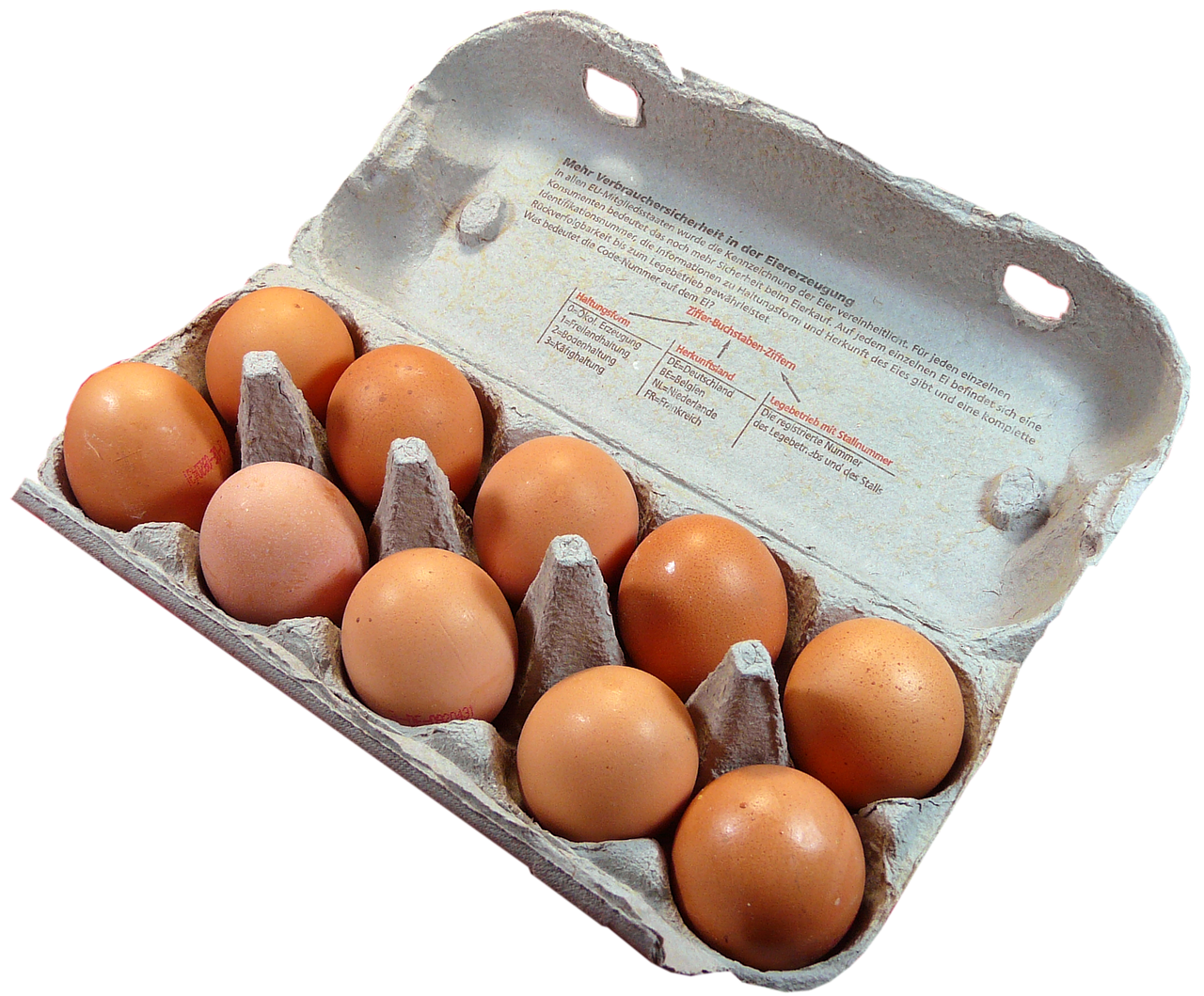
The third job is communication. Cartons need space for brand identity, egg count, size, grade, handling statements, traceability marks, dates, barcode placement, and, in some markets, nutrition or origin details. Public USDA and FDA materials show that shell egg packaging in the United States can involve grade, size, date, safe handling, and refrigeration information. The design implication is clear: the printable area cannot be treated as decoration only.
The fourth job is disposal or recovery. The U.S. EPA’s packaging data identify containers and packaging as a major part of municipal solid waste, with paper, paperboard, and plastics managed through different recycling pathways. For egg packaging, material selection and coating strategy belong in the design brief from the start, not as a late purchasing decision.
Choosing materials for egg box design
The main egg box materials all involve trade-offs. A useful comparison should cover protection, visibility, moisture behavior, packing-line compatibility, print quality, cost, recycling access, and the market where the pack will be sold.
| Material format | Design strengths | Design limitations | Best-fit use cases |
|---|---|---|---|
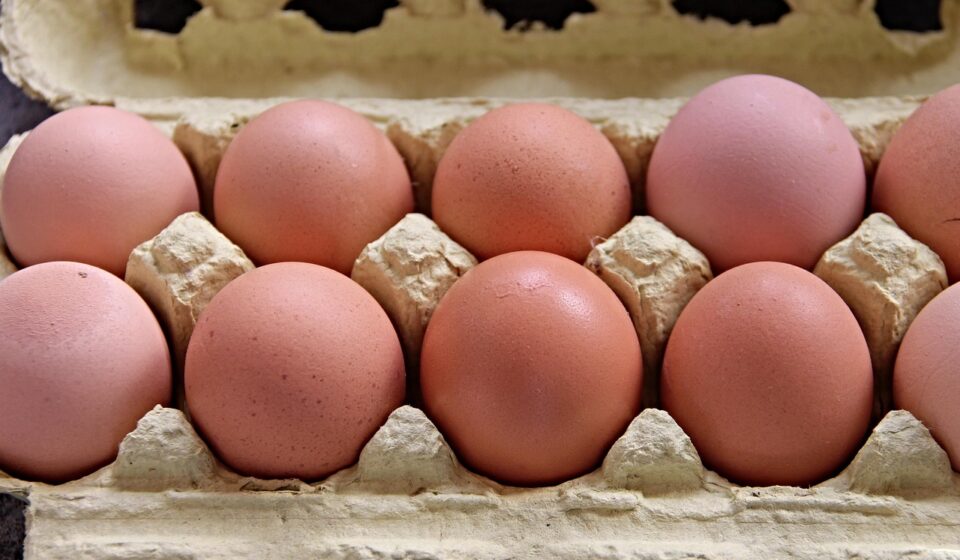
| Molded fiber or molded pulp | Good cushioning, familiar egg carton feel, often made with recycled fiber, suitable for embossing and paper labels | Moisture sensitivity, rougher print surface, coatings or wet-strength additives can affect recycling assessment | Natural, farm-style, standard retail, and sustainability-led packaging concepts |
| Clear PET or similar plastic | High product visibility, moisture resistance, smooth label area, strong shelf inspection value | Recycling depends on local systems and design details; scratches and glare can affect presentation | Retail packs where egg visibility and tamper evidence are major selling points |
| Foam plastic | Lightweight, cushioning, low moisture absorption | Often faces poor recycling access and consumer concerns; regulatory or retailer restrictions may apply in some markets | Markets where foam remains accepted and protection-to-weight ratio is the primary driver |
| Paperboard sleeve plus tray | Large graphics area, flexible branding, can combine protection and premium presentation | More components can complicate separation and recovery if materials are mixed | Premium, gift, specialty, or short-run branded egg packs |
For molded fiber designs, the American Forest & Paper Association’s recyclability guidance is useful because it explains how non-fiber elements, including coatings and additives, can affect mill processing. This does not mean every coated fiber carton is non-recyclable. It means designers should not assume that “paper-based” automatically means widely recyclable in every collection system.
Structure details that reduce breakage risk
Many visible egg box failures start with small structural choices. If cells are too loose, eggs can rotate and strike the walls. If cells are too tight, larger eggs may sit too high and take pressure from the lid. If the hinge and latch geometry are weak, the carton can open during handling or distort under compression.
Cell geometry and egg size range
Egg size is not only a marketing label. USDA consumer information explains that size classes relate to minimum net weight per dozen, not identical dimensions for every individual egg. Designers therefore need enough tolerance for natural variation while still keeping each egg stable. The carton should restrain movement at the base and shoulder without pressing hard against the shell.
Posts, ribs, and load paths
Raised posts between cells help absorb vertical loads and reduce egg-to-egg contact. Ribs along the lid or base can improve stiffness without adding large amounts of material. Corners also need attention because they often take the first impact in cases, pallets, and retail handling.
Closure and hinge performance
A carton that opens too easily creates risk in transport and on shelf. A closure that is too hard to open creates a poor consumer experience and may crack fiber around the latch. Prototypes should be checked after chilling, because cold storage and humidity can change the feel and stiffness of some materials.
Labeling, food contact, and regulatory space
Egg packaging design should reserve compliant label space before artwork is finalized. In the United States, public FDA information states that food contact material manufacturers are responsible for ensuring that materials comply with applicable authorizations. FDA materials also address safe handling statements and refrigeration requirements for shell eggs. USDA resources explain that cartons bearing the USDA grade shield must follow grade and labeling rules, including requirements related to size, count, dates, and official marks when applicable.
Designers do not need to become regulatory lawyers, but they do need to avoid layouts that leave no room for required information. Small cartons, unusual lid shapes, embossed panels, windows, and decorative sleeves can all reduce usable label area. If the carton will be sold across states or exported, the artwork should be reviewed against the destination market before tooling is locked.
- Keep the principal display panel clear enough for required identity, count, grade, size, and handling information where applicable.
- Reserve a consistent zone for pack date, sell-by date, lot code, plant code, or traceability information.
- Place barcodes on a flat, scannable area that avoids curves, heavy texture, and latch distortion.
- Do not use environmental or food safety claims unless the claim can be substantiated for the actual material and market.
Recyclability and sustainability claims
Sustainability is now a design constraint for egg packaging, but broad claims can mislead buyers. The more useful design question is specific: what will happen to this pack in this market after use? See also: BUYING GUIDES.
In the European Union, the Packaging and Packaging Waste Regulation entered into force on February 11, 2025 and has generally applied since August 12, 2026. Public European Commission materials describe goals including reducing packaging waste and making packaging recyclable in an economically viable way by 2030. For exporters and brands serving EU customers, this makes design-for-recycling documentation more important than vague green language.
In the United States, recycling access is more fragmented. EPA data show that paper and paperboard packaging has a different recycling profile from plastic packaging, but local acceptance still varies. A molded pulp egg carton may be accepted in one community and handled differently in another if it is wet, contaminated, coated, or not included in the local program.
For egg box design, the practical sustainability hierarchy is straightforward:
- Reduce preventable egg breakage, because wasted food and replacement logistics can offset material savings.
- Use the least material that still passes distribution and retail handling tests.
- Choose mono-material structures where possible.
- Avoid unnecessary laminates, dark pigments, metallic effects, and mixed-material decorations that complicate recovery.
- Use specific disposal language only when it matches the actual market and collection system.
Graphic design that supports retail decisions
Egg boxes have limited visible space, so the artwork has to work quickly. The top panel should answer the shopper’s first questions: what type of eggs, how many, what size, what grade or quality signal, and what differentiates the product. Decorative illustration can add personality, but it should not push core information into tiny type.
For molded fiber cartons, embossing can create a natural and tactile identity, but fine details may soften during molding. Large letterforms, simple icons, and strong contrast usually perform better than thin-line artwork. For plastic cartons, transparent surfaces help show the eggs, while labels should avoid blocking inspection areas unless the brand strategy intentionally favors graphics over visibility.
Color affects both recycling assessment and shelf perception. Natural kraft or gray fiber communicates simplicity, but it can limit color vibrancy. White or bleached surfaces can support cleaner graphics. Dark inks may reduce legibility and can complicate some recycling assessments. If the carton makes claims such as recycled content, compostability, plastic-free, or recyclable, those claims should be checked against recognized definitions and local rules before publication.
A practical egg box design checklist
Before moving from concept to production, packaging teams can use a simple checklist to catch common failures:
- Fit: Does the cell design hold the intended egg size range without excessive movement or compression?
- Protection: Do posts, ribs, corners, and lid clearance create load paths around the eggs rather than through them?
- Closure: Does the latch stay closed after vibration, stacking, cold storage, and repeated opening?
- Machinability: Can the carton run on the packing line without jamming, misfeeding, or slowing throughput?
- Print and label area: Is there enough flat space for mandatory information, barcode scanning, and brand hierarchy?
- Moisture behavior: Does the material remain stable under refrigerated and humid conditions?
- End of life: Is the material accepted by the intended recycling or recovery system, and are claims accurate?
- Retail handling: Can the carton be stacked, opened, inspected, and restocked without damage?
The strongest egg box concepts usually come from testing several prototypes instead of relying on renderings alone. Digital visuals can show brand direction, but they cannot prove hinge fatigue, stacking performance, moisture response, or consumer opening behavior.
Frequently asked questions
What is the most common material for egg box design?
Molded fiber and molded pulp are widely recognized formats for retail egg cartons, especially where a paper-based look and cushioning are valued. Clear plastic cartons are also common when product visibility is important. The right choice depends on distribution conditions, retail expectations, regulatory market, and recovery options.
Is molded pulp always recyclable?
No. Molded pulp is often designed for paper recovery, but recyclability can be affected by coatings, additives, contamination, and local collection rules. Designers should verify the actual material recipe and market before making recycling claims.
Why do egg cartons need posts between the cells?
Posts help separate eggs, support vertical loads, and reduce shell-to-shell contact. They also create a structure that can carry stacking pressure through the carton instead of directly through the eggs.
Should egg box design prioritize sustainability or protection?
It should prioritize both, but not in isolation. A lighter carton that increases breakage may create more waste overall. The better approach is to reduce unnecessary material only after the design has passed realistic protection and handling tests.
Can unusual shapes improve shelf appeal?
Yes, but unusual shapes can also reduce packing efficiency, weaken stacking, and limit label space. Any distinctive shape should be tested against packing equipment, secondary cases, pallet patterns, and retail display needs before tooling.