Which Packaging Materials Are Best for Export Products?
Why Do Packaging Materials Matter for Export Products?
Choosing packaging materials for export is not only about buying a box. It affects product safety, freight cost, shelf display, returns, and the way buyers judge your brand before they even handle the product. A carton may look fine in the sample room, but it can fail after sea freight, port handling, warehouse stacking, and a courier drop at the end. This is where the right material choice saves money.
Product Protection Comes First
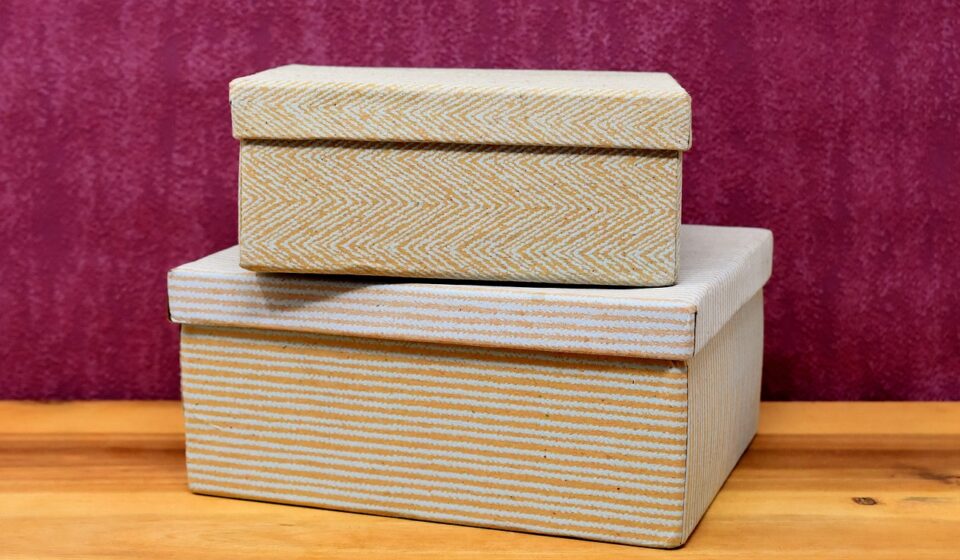
The first job is to keep the product safe through the full route. Corrugated cartons, paperboard boxes, foam inserts, molded pulp, bubble cushioning, air pillows, stretch film, and paper void fill all deal with different risks. Fragile glass needs cushioning and separation. Apparel needs moisture control and clean folding. Hardware may need stronger edge protection, because one sharp corner can cut through a weak mailer during handling.
Packaging Affects Freight Cost
Export shipping is often charged by dimensional weight, not just actual weight. If a box is two centimeters too tall, that small gap can raise freight cost when the order has thousands of units. Lightweight packaging materials can help, but the pack still has to hold up. A thin carton that collapses in stacking is not a real saving. It leads to claims, repacking, and buyers who do not want to repeat the order.
Waste Data Is Pushing Better Choices
Public waste data is one reason buyers ask more packaging questions now. The U.S. Environmental Protection Agency reported that containers and packaging made up 82.2 million tons, or 28.1 percent, of U.S. municipal solid waste generation in 2018. That is not a small share. It also explains why many importers ask for recyclable, right sized, or reduced plastic packaging during sourcing talks.
Which Packaging Materials Should You Compare First?
Before checking colors, printing, or surface finish, compare the main material groups. Most export packs use a mix of materials, not one material only. The right choice depends on product weight, breakage risk, moisture risk, retail display needs, destination rules, and the buyer’s packaging guide. A table helps, but warehouse handling and packing speed should also be considered.
Corrugated Paperboard for Shipping Strength
Corrugated paperboard is still the main choice for export cartons because it gives a workable balance of cost, stiffness, printing, and recycling access. Single wall board can suit light goods, while double wall board is better for heavier products or long shipping routes. In a common export case, a 12 kg appliance part may need a double wall outer carton, corner blocks, and a tested stacking layout. A nicer retail box will not help if it is weaker during transport.
Plastic Films and Bags for Moisture Control
Poly bags, shrink film, stretch film, and barrier bags help keep dust and moisture away from goods. They are often used for textiles, spare parts, electronics accessories, and multipack bundling. Plastic still needs to be used with care. The United Nations Environment Programme has stated that packaging is the largest application for plastics, and many public sources place packaging at about 40 percent of plastic use. Because of this, buyers may ask for thinner gauges, recycled content, or paper alternatives where they can work.
Cushioning Materials for Shock Reduction
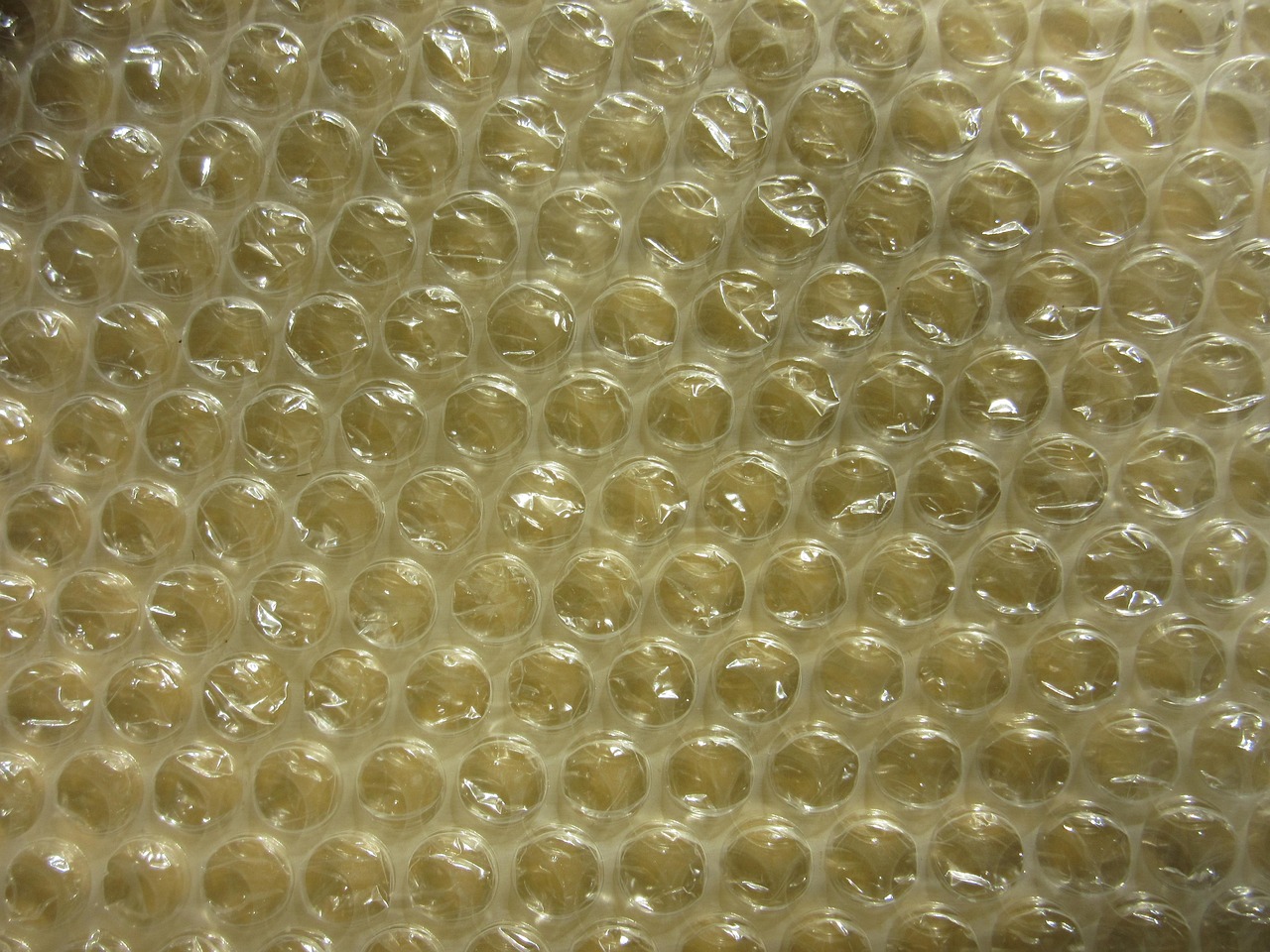
Cushioning is a common weak point in export packaging. Foam, molded pulp, honeycomb paper, corrugated pads, bubble film, and paper fill do not perform the same way. Foam is good for repeated shocks. Molded pulp gives a fiber based look and can hold shaped products well. Paper fill can work for light goods, but it may move during vibration. If the product can slide inside the box, the cushioning is not doing its job, even when the pack looks tidy at the packing table.
How Can You Balance Cost, Strength, and Sustainability?
Export buyers seldom choose the lowest material price only. They want a pack that survives transit, matches the brand level, and avoids waste where possible. These targets can pull in different directions. Less material may cut waste, but too little material can raise damage. A stronger carton can reduce returns, but overpacking wastes money and warehouse space.
Right Sizing Reduces Hidden Cost
Right sizing means the pack is matched to the product, instead of forcing every item into one standard carton. A better fitting box needs less void fill, stacks more neatly, and can reduce dimensional weight. For ecommerce exports, even a small cut in box size can make a difference over a full shipment. It also looks more professional. Buyers do not like opening a large carton and finding a small item moving around in paper.
Recyclability Depends on Local Systems
A material may be technically recyclable, but still hard to recycle in the buyer’s market. Corrugated board has a good record in many regions because collection systems are already in place. The EPA reported a 96.5 percent recycling rate for corrugated boxes in the United States in 2018, while overall paper and paperboard packaging had an 80.9 percent recycling rate. This does not make every paper pack the best answer, but it gives corrugated a strong position for many export cartons.
Total Pack Cost Beats Unit Price
Unit price can lead you in the wrong direction. Total pack cost includes material, labor, storage, freight, damage claims, repacking, and customer service time. A custom insert may add a few cents, but it can save much more if it reduces breakage. On the other side, a premium rigid box may be too much for a product sold mainly through B2B cartons. Match the packaging materials to the sales channel, not just to a catalog photo.
What Should You Check Before Ordering Custom Packaging Materials?
A smooth packaging order starts with a clear brief. Many delays come from missing product weights, wrong artwork sizes, unclear board grades, or no testing plan. When you give suppliers better details, you get better quotes and fewer changes later. It sounds simple, but these simple points save real time in export orders.
Product Size and Weight Data
Measure the product, accessories, manuals, and retail components as one packed set. Give net weight, gross weight, carton quantity, and stacking plans. For soft goods, state the compression limit. For sharp goods, mark the puncture points. If the product has a glossy surface, ask whether the inner packaging may rub or leave marks during vibration.
Transit Route and Handling Risk
Sea freight, air freight, rail, truck, and courier delivery put different pressure on a pack. A palletized shipment may face stacking load, while a parcel shipment may face drops and rough sorting. Humid ports add another risk. If goods pass through a rainy season route, water resistant outer treatment or inner moisture bags may be more useful than a thicker print varnish.
Printing and Compliance Needs
Export packaging may need barcodes, country of origin marks, recycling symbols, warning labels, handling icons, or retailer specific carton marks. Confirm these items before plates and molds are made. For food contact, cosmetics, toys, or electronics, ask the buyer which standards apply. If there is no reliable public data point for a claim, do not print it. Loose green claims can create problems after shipment.
How Do Market Data and Waste Rules Shape Buyer Decisions?
Packaging is now part of procurement policy, not only a purchasing detail. Large retailers, distributors, and importers often check packaging weight, recycled content, recyclability, and waste fees. A supplier who can explain material choices with real data is easier to trust in a sourcing discussion.
Packaging Waste Is Closely Watched
Eurostat reported that the European Union generated 83.4 million tonnes of packaging waste in 2022, equal to 186.5 kg per inhabitant. The same Eurostat release said 41 percent of plastic packaging waste was recycled in 2022. For exporters selling into Europe, these figures show why packaging reduction and recyclability are not side issues. They affect market access, buyer checks, and long term cooperation.
Global Waste Growth Raises Pressure
The World Bank’s What a Waste 2.0 report stated that the world generated 2.01 billion tonnes of municipal solid waste annually and projected 3.40 billion tonnes by 2050 under its 2018 outlook. This is part of the background buyers are working with. Brands want packaging that does not add avoidable waste. A smaller, stronger, easier to sort pack is easier to explain in a sourcing meeting.
Paper Recovery Supports Fiber Based Options
The American Forest & Paper Association announced in 2025 that 60 to 64 percent of paper and 69 to 74 percent of cardboard available for recovery was recycled in the United States in 2024. These figures support corrugated cartons and paper based protective designs when they fit the product. That said, wet goods, oily goods, and heavy machinery may still need plastic, metal, wood, or mixed materials for safety. The pack has to match the real risk, not only the material preference.
Which Packaging Materials Fit Common Export Scenarios?
Material choice is easier when you start with the product journey. A premium gift item, a spare part, and a bulk grocery product do not need the same pack. Look at the route from the factory table to the buyer’s shelf. Then choose the materials that solve the actual risks on that route.
Light Retail Goods Need Clean Presentation
For cosmetics accessories, small electronics, stationery, and gifts, paperboard boxes with printed sleeves, inserts, or corrugated mailers often work well. Add a small amount of tissue paper, molded pulp, or paper padding if the product needs scratch protection. The opening should feel neat, but not slow or complicated. Buyers usually prefer packaging that looks good and is still quick to unpack.
Fragile Goods Need Layered Protection
Glass, ceramics, instruments, and delicate components need more than one layer of protection. Use an inner wrap, a shaped insert, a strong carton, and enough space between the product and the outer wall. A common target is to stop product movement before the carton is closed. If you can hear the product move when the box is gently shaken, the pack is not ready for export.
Heavy Goods Need Structure and Pallet Fit
For heavy parts, tools, machinery components, or bulk items, structure and pallet layout come first. Double wall or triple wall corrugated, honeycomb panels, wood crates, molded corner guards, steel strapping, or reinforced pallets may be needed. Check the carton footprint against pallet size before production. Poor pallet fit causes overhang, crushed corners, and rough warehouse handling.
FAQ
Q1: What Are the Most Common Packaging Materials for Export? A: The most common materials include corrugated paperboard, paperboard cartons, plastic films, foam, molded pulp, bubble cushioning, paper void fill, wood pallets, and stretch film. Most export packs use several of these together.
Q2: Are Paper Packaging Materials Always Better Than Plastic? A: No. Paper often has better recycling access, especially corrugated board, but plastic can be better for moisture control, puncture resistance, or barrier performance. The best choice depends on the product, shipping route, and destination market.
Q3: How Can You Reduce Packaging Cost Without Raising Damage Risk? A: Start with right sizing, then check board grade, insert design, pallet pattern, and void fill volume. Cutting material without testing is risky. Removing empty space and improving structure usually works better.
Q4: What Data Should You Give a Packaging Supplier? A: Give product dimensions, product weight, carton quantity, shipping route, pallet plan, photos, artwork needs, drop risk, moisture risk, and any buyer rules. More detail helps the supplier quote the job more accurately.
Q5: Should Custom Packaging Be Tested Before Mass Production? A: Yes. For export orders, sample testing is worth doing. Basic checks can include compression, drop, vibration, moisture exposure, barcode scanning, and packing line speed. Testing finds problems before goods leave the factory.